
Moving back to Hawaii after years away
You don't need Hawaii explained to you. You need a Saturday. What actually happens when you come home after years away, and how to rebuild a week.
By YKnot Admin · · 7 min read
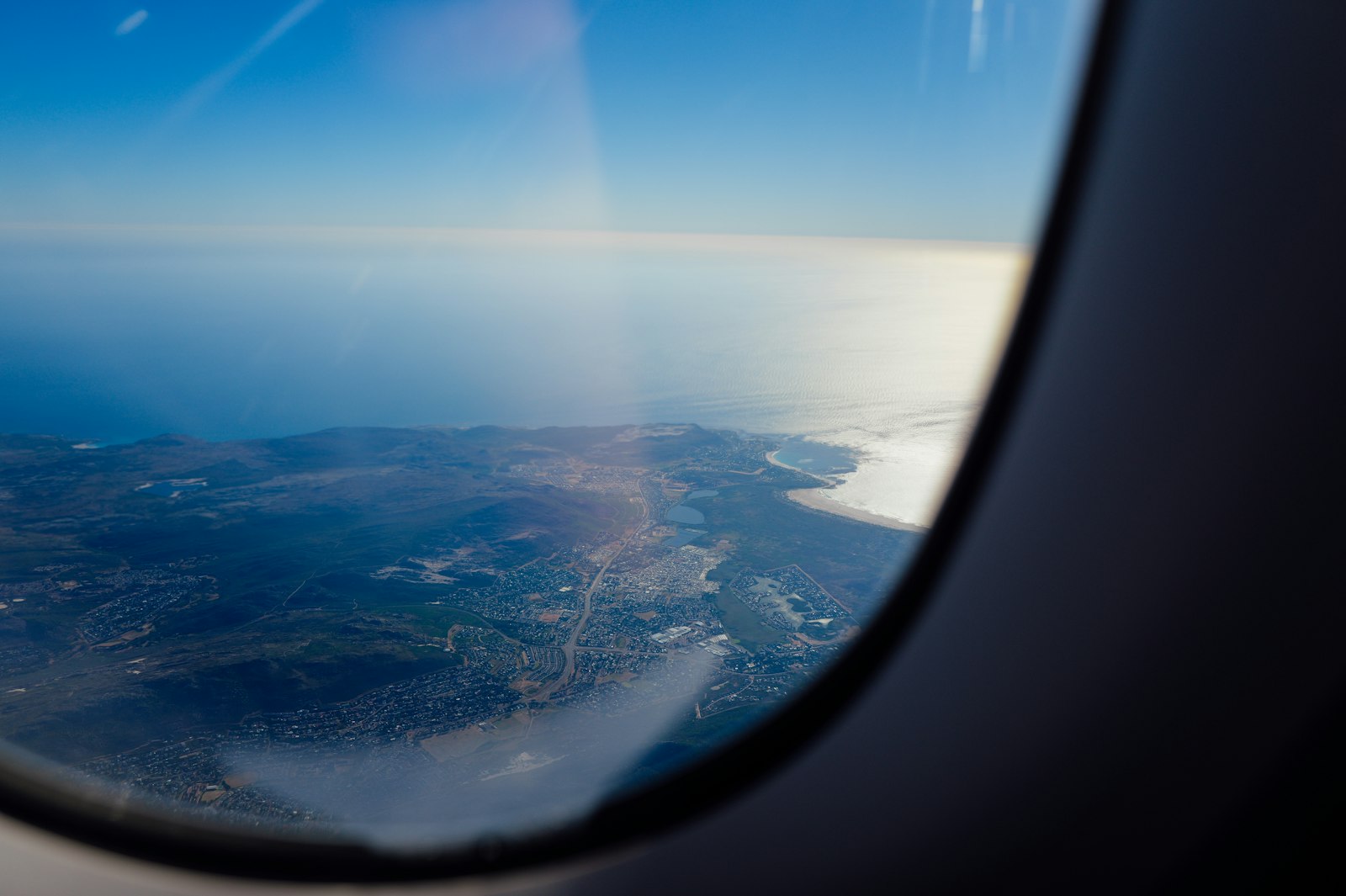
You already know which lane to be in coming off the H-1. You know what to bring to a first-birthday party. You know that the good hours are early, that a Costco run is a two-hour commitment, and that nobody needs your opinion on where to get poke.
So none of the relocation advice applies to you. You are not disoriented. You are just free on Saturday and have been for a while.
Moving back to Hawaii is not a culture problem. It is a calendar problem — and it is a harder one than newcomers have, because you are not allowed to say so.
Nobody writes the arrival guide for the person coming home
Every piece written for someone landing here assumes a stranger: how to ship a car, what kamaʻāina means, how to behave at a beach park. You skip all of it. What you do not skip is the part underneath — a life here is made of recurring obligations with other people, and yours expired while you were in Seattle or San Diego or Dallas.
You are not an unusual case. Every graduating class here exports people and quietly takes some of them back — after a degree, after a divorce, after a parent gets sick. Add the service members who separated at Pearl Harbor or Schofield and stayed, and there is a whole quiet category of people here who have the island and the job and none of the week.
The uncomfortable part is that a newcomer's loneliness is legible and yours is not. You are from here. Everyone assumes you have people — including the people you will have lunch with once and then not again for a year. Saying you are lonely in your own hometown feels like admitting something about yourself, so most returnees say nothing and wait it out.
The people who stayed did not forget you. They ran out of week.
Here is what happened while you were gone, and none of it was about you.
One had two kids, and the kids have sports on Saturday and church on Sunday. One commutes from ʻEwa Beach and leaves at five to beat the merge. One works a weekday job and a weekend side hustle because that is what the rent here requires. One is on rotation at Queen's. One took over the family business and starts at 4am six days a week.
They still like you. They will say "eh, we gotta get together" with total sincerity, three times, over eleven weeks, and it will never resolve into a date. That is not coldness. It is what a full calendar does to a warm person.
Your old group chat is a monument, not a plan. It produces nostalgia on demand and a Sunday almost never. Trying to restart it is the most common mistake returnees make: it feels like the cheapest option and it is the most expensive — six months of effort for two dinners.
The same goes for your school. Where you went is still the fastest social credential in Hawaiʻi and it works exactly as it always did: it opens the conversation in ninety seconds. It does not produce a Saturday. You will be recognized instantly and scheduled never.
Rebuild around things that repeat
Stop trying to reconstruct 2013. Join something with a roster and a start time — a standing appointment where the same faces turn up, because unplanned repeat contact is what converts an acquaintance into someone who texts you.
A few structures that already run without you. Described here as they work on Oʻahu; each has a neighbor island equivalent.
Paddling. Canoe clubs are on a calendar, which is the point — practices building through winter and spring, distance racing, then regatta season and a state championship in summer. Clubs take novices and expect them, and a crew notices when a seat is empty. If you paddled in high school, the schedule is the real asset, not the muscle memory. Start with how paddling clubs on Oʻahu take beginners.
City programs. The City and County's Department of Parks and Recreation runs seasonal adult activities out of district parks — volleyball, pickleball, fitness classes, court time — with registration online and opening in rounds before each session. What runs at which park changes, so check the current session, not what your park offered a decade ago.
Weeknight running. There is a durable ecosystem of pau hana run groups in town, each on a weekly cadence: a running shop in the Kapiʻolani corridor, a group out of Kakaʻako, a speed session at Magic Island, a hotel-lobby group that loops Diamond Head. Which nights they run has changed more than once; that they run has held for years. More in running routes in Honolulu and pickup sports on Oʻahu.
Volunteer shifts. A beach cleanup, a loʻi workday, a food distribution. There is a task, so nobody has to be charming; you talk sideways while working. See volunteering in Honolulu.
Your alumni association. The one advantage a returnee has that no newcomer can touch. School carnivals, alumni tournaments and class fundraisers run on volunteer labor and are permanently short of it. Taking a shift puts you next to people for six hours with a job to do, which is a completely different thing from attending a reunion.
Which island you came back to changes the shape of this
On Oʻahu the problem is distance pretending not to be distance. Most people moving back land where they can afford to, which is often not the neighborhood they grew up in — from Kaimukī, living in Kapolei; from Kāneʻohe, renting in Kalihi. So pick your recurring thing near where you actually sleep. A weeknight commitment in town when you live out west means the merge in both directions, and you will quit in week five and read it as a social failure when it was traffic. Same over the Pali at pau hana.
If that means building a life in Kapolei and ʻEwa or on the windward side rather than in the town you remember, take it. A friend fifteen minutes away is worth four friends forty-five minutes away.
If you came back to Hilo, Kahului, Kona or Līhuʻe, you have the opposite problem: no traffic and no anonymity. There is one real running group, not five. The paddling club is the paddling club. And everyone in it either knows your family or will place your last name inside two minutes, which cuts both ways — the door opens faster, and there is nowhere to try something badly in private. A returnee on Oʻahu can join a gym where nobody knows them. In Hilo you are going to run into your seventh-grade teacher at KTA.
You get fewer swings, so take the first one seriously and stay in it past the awkward month. You are not choosing between six clubs; you are joining the one that exists and letting proximity do the rest. Hilo, Kona, Maui and Kauaʻi each have their own version of this.
Be the one who names the time
The people who stayed are out of the habit of organizing, and almost everyone is waiting for somebody else to be specific.
"We should get together sometime" is not a plan and everybody knows it. The invitation that lands here is one already attached to something you were doing anyway — you are paddling anyway, you are taking the kids to Ala Moana anyway, you are doing Makapuʻu before it gets hot anyway. "I'm at Makapuʻu Sunday at seven, park in the lot before it fills, come" is a plan. Nobody has to invent a free afternoon for you, and you have handled the part everyone actually dreads, which is where to park.
Then read the nos correctly, because here they are almost never a brush-off. The no is a kid's game in Mililani. It is the second job. It is that they live in Waiʻanae and you said town on a Friday. Send the next one closer to them, and expect a season rather than a weekend — the same six months it takes anyone in their thirties or past forty rebuilding from a standing start.
The difference is that you are not going anywhere. The transplant crowd cycles out in two years; you will be here for decades, which means every recurring thing you join now compounds.
YKnot is built for exactly that gap: people here post plans they're already going to — a hike, a dinner, a paddle — with a spare seat, and you ask to join. It's members-only and everyone's ID-verified, so you know who you're connecting with.
See what's happening on Oahu →
Cover photo by Adrien Olichon on Unsplash.