
Things To Do
Outrigger Canoe Paddling on Oahu: How to Start
New on Oahu? Outrigger canoe paddling is the fastest way into island life. How clubs, seat roles, seasons, and a first practice actually work.
By YKnot · · 5 min read
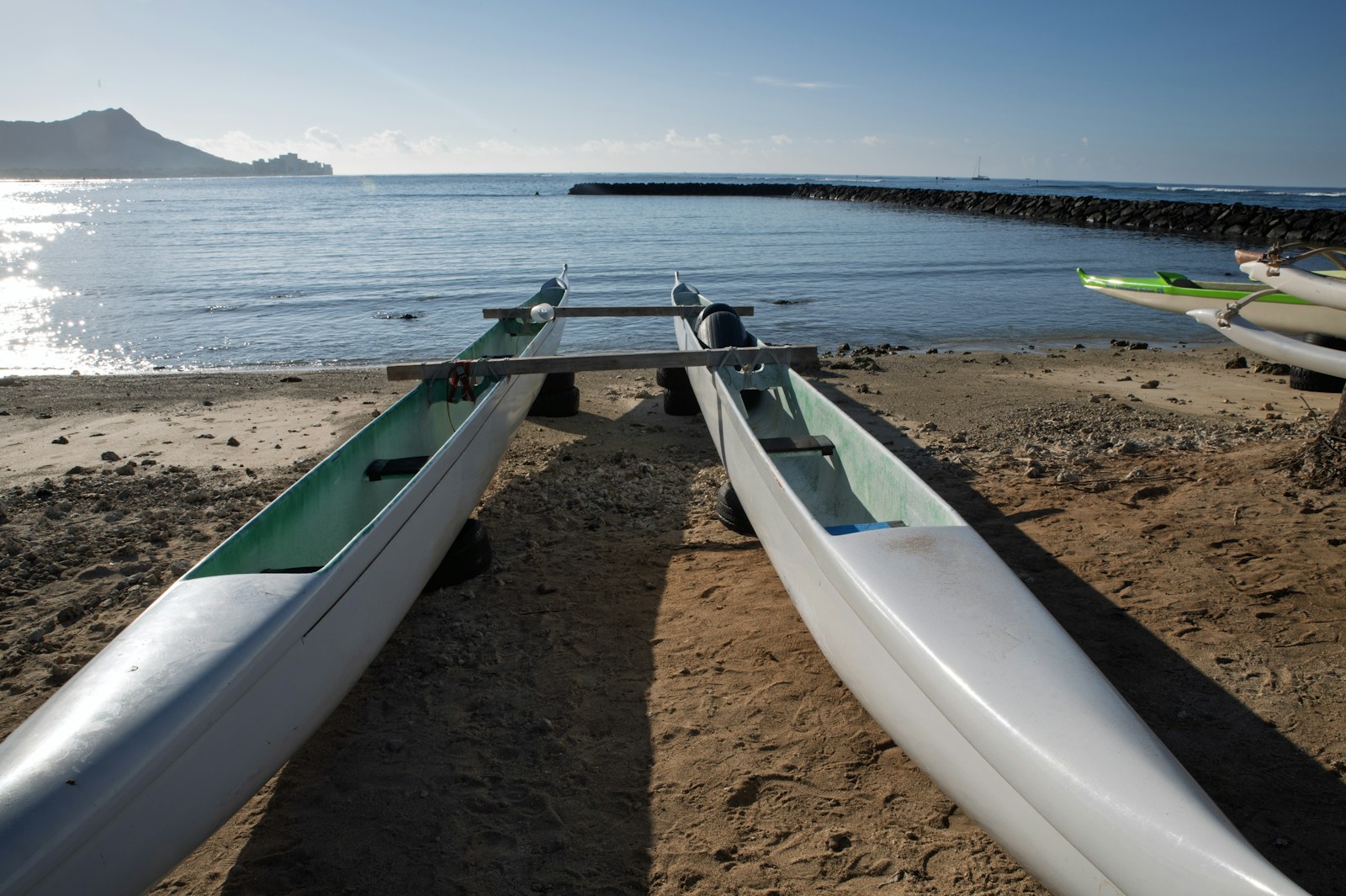
If you just moved to Oʻahu and want a fast way into island life, outrigger canoe paddling on Oahu is hard to beat. Clubs take complete novices, practices run on a schedule, and within a few weeks you're in a six-seat waʻa with five people who know your name.
Why paddling is the best on-ramp for newcomers
Most hobbies on the island let you stay anonymous. Paddling doesn't.
A canoe only moves when six people pull together, so the club has a reason to teach you and a reason to keep you. Practices happen at set times each week, which gives you the thing new people rarely get: a standing reason to be somewhere, with the same faces, again and again.
It's also good company in the best sense. Nobody's performing. You're wet, tired, and laughing at the same bad stroke, and that's where friendships on Oʻahu actually start.
Outrigger Canoe Paddling on Oahu: The Basic Shape
The standard racing canoe is a six-person OC6 with an ama (the outrigger float) on the left side. Everyone paddles, and each seat has a job.
- Seat 1 sets the pace. Everyone matches that stroke.
- Seat 2 mirrors seat 1 on the other side and usually calls the change.
- Seats 3, 4 and 5 are the power. Big pulls, steady rhythm.
- Seat 6 steers, reads the water, and runs the boat.
Every set number of strokes someone calls "hut," the crew answers "ho," and everyone switches sides. That's most of it. The rest is timing, and timing comes from practice.
Novice crews learn all this on flat water first. You'll be slow and off-beat for a while. Everyone was.
The seasons
Roughly speaking, regatta season (short sprints on sheltered water) runs late spring through summer. Long-distance season, with races along the coast, follows in late summer into fall. Check current schedules, since dates shift year to year.
You'll hear about the big Molokaʻi channel crossings. Those are elite, open-ocean events. Go watch the finish or help a crew on shore. They are not a beginner goal, and nobody expects them to be.
Where clubs practice around the island
Canoe clubs hold practices from most of the island's protected water. You'll find them in and around:
- Waikīkī and the Ala Wai Canal, plus Ala Moana. The most central option if you live in town.
- Kailua and Lanikai, launching into calm, shallow water.
- Kāneʻohe Bay, big, sheltered, and gorgeous at dawn.
- Hawaiʻi Kai, out of the marina toward Maunalua Bay.
- Waiʻanae and the west side, home to some of the strongest paddling communities on Oʻahu.
Most clubs run novice programs. Check the club nearest you for current practice times, and if you're not sure which one, go watch a practice first. Someone will talk to you. That's how it works.
Easier first tastes
Not ready to commit to a club yet? Two lower-stakes ways in:
- Canoe surfing in Waikīkī. The beach concessions run outrigger rides where a steersperson takes you out and catches a small wave back to shore. It's touristy and also genuinely fun. Check current availability.
- OC1 rentals and lessons. A one-person canoe is a different skill (you steer with a foot pedal and balance the ama yourself), but a lesson on flat water in Hawaiʻi Kai or Kailua is a good morning. Availability varies, so ask around.
Your first practice
Arrive early. The canoe doesn't get to the water by itself, and carrying it is where you start to belong. Listen to the steersperson; they're responsible for everyone in the boat, and their word goes.
Bring water, a hat, a rash guard or quick-dry shirt, reef-safe mineral sunscreen, and slippers or water shoes. Don't complain about the pace, the heat, or your hands. Then come back the next week. Consistency is what clubs notice.
Culture and respect
The waʻa is not sports equipment. It's a cultural object with a lineage, and clubs treat it that way. Match that.
Learn to pronounce the canoe's name and the club's name properly. Help wash and rack the boat every single time, not just when asked. Stay for the talk story after. If there's a potluck, bring something; potluck culture is half of paddling.
A few tips
- Go early. Morning water is glassier, and the heat later in the day is real.
- Wear old clothes to your first few practices. Everything gets wet and sandy.
- Tape your thumbs if they blister, and ask a veteran how.
- Say yes when someone invites you to the fundraiser, the beach cleanup, or the race-day tent. That's the club.
- If you're new to the ocean, say so. Nobody will judge you, and someone will keep an eye on you.
More Oʻahu guides
If paddling is your way in, you might like how to make friends in Honolulu when you're new and our rundown of pickup sports on Oʻahu. Prefer a board to a boat? Start with beginner surf spots on Oʻahu. And if you just landed and don't know a soul, start here. The official Oʻahu visitor guide covers more of the island.
Make it a plan
Already going to a practice, or renting an OC1 at dawn? Open a line on YKnot for the spare seat, or the spot next to you on the sand, and see who's nearby and wants in. Paddling is better with company, and so is the coffee after. See what's open on the Honolulu lines page.
See you on the water. 🌊