
Things To Do
Meeting people in Kapolei and Ewa when town is an hour away
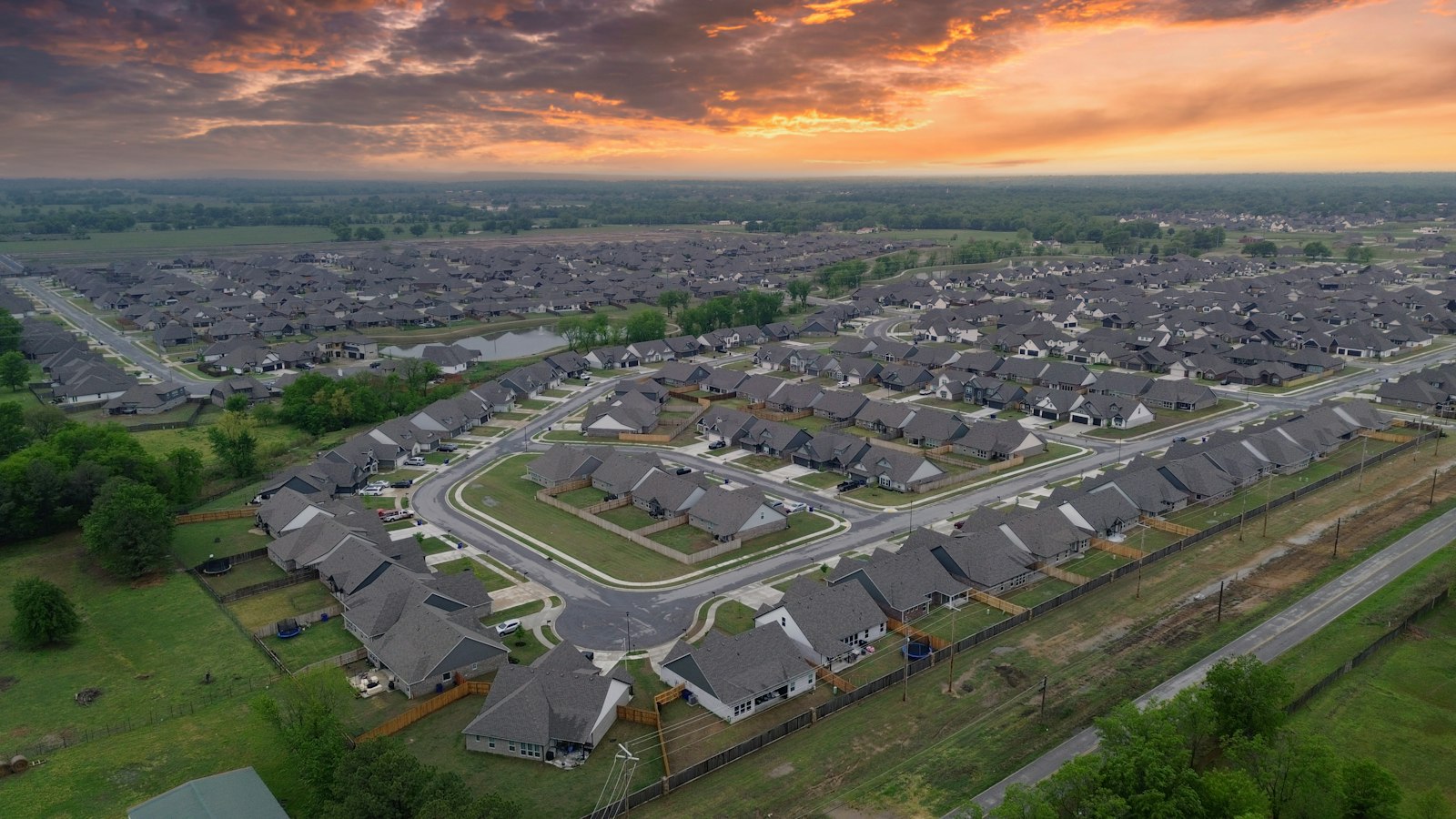
The second city grew faster than its public life did. How residents of Kapolei and Ewa Beach build a social life that survives the H-1 commute.
By YKnot Admin · · 5 min read
Meeting people in Kapolei is a logistics problem before it is a social one. You are out the door at five to get ahead of the H-1, back through it around 6:30, and the invitation on your phone is for seven o'clock in Kakaʻako. You go once. You do not go twice.
The second city grew faster than its public life did. This was cane and red dust inside living memory, and now it is subdivisions, a rail station, shopping centers and more rooftops every year. What it has not accumulated is the other thing — the gym somebody's father trained at, the church with four generations in it, the coach everyone had.
That reads as a deficit. Read it the other way: there is no closed room here to talk your way into. The regulars have held the spot a couple of years, a head start you can close in a month.
The commute writes your week before you do
A weeknight plan in town does not survive contact with the H-1 at 6:15. Fine at ten in the morning, a parking lot at five, the zipper lane running the wrong way for you. A 7 p.m. drink in Kaimukī costs three hours and most of your Wednesday.
So treat it as a constraint, not a discipline failure. Weeknights happen west of Waipahu. Town gets weekends, deliberately — a specific plan worth the drive, not a meet-up that drifts while you sit at the Middle Street merge. Closures and roadwork are posted by the state Department of Transportation; check before you commit.
Skyline changes that arithmetic for some trips and not others, and it has opened in phases — check the current map, not what a neighbor said two years ago.
Central Oʻahu has the same problem from the other side, and the Mililani version lands in the same place: the friends you keep live inside fifteen minutes of you.
Meeting people in Kapolei starts at the district parks
The public life this side does have is on grass and hard court, between four and eight in the evening. Kapolei Regional Park, Kapolei Community Park, the ʻEwa Beach community park, the school fields and gyms. Adult leagues run out of city facilities, though what is on this season is a question for the city. A league is the most dependable friendship machine there is: the same faces, the same night, week after week.
If a season is more than you want to sign for, the pickup scene on Oʻahu does the same work at a lower bar: courts out here have a regular cast, and three weeks at the same hour makes you part of it.
This is also a young-family district, so the youth-sports sideline is the most efficient room on the west side. Nobody on it is leaving for ninety minutes, and if your kids play anything you already have a standing weekly appointment with adults who live near you.
The Kroc Center in Kapolei is the other piece of real infrastructure — pools, gym floor, classes, rooms that host things. What membership involves and what is on the schedule are questions for them directly.
The shopping center is the town square, and there is no point being snobby about it
Out here the mall is where accidental contact happens, because there is nowhere older doing the job. Ka Makana Aliʻi, Kapolei Commons, Laulani Village in ʻEwa Beach. That is where people are on a Tuesday at seven — the food court, the gym in the plaza, the run group that forms in a lit, central parking lot.
It is easy to be snobbish about a parking lot. It changes nothing. A town square is whatever people walk through without needing a reason, and the mechanism does not care about architecture: same place, same time, three weeks running, until the counter knows your name.
The west side belongs to residents before nine
In Kapolei and ʻEwa Beach the usable hour is the one the rest of the island sleeps through. Oneʻula Beach Park — Hau Bush to anyone who grew up here — has a dawn crowd of swimmers, fishermen and dog walkers most mornings. ʻEwa Beach Park has its own. The Ko Olina lagoons are pleasant at 6:30 and miserable at eleven; parking is the whole difference.
White Plains, out at Kalaeloa, is where a lot of this side learns to surf. Access and parking there have been managed differently at different times, so check the current rules, the surf and any water-quality advisory the morning of rather than the night before. The beginner surf spots on Oʻahu breakdown covers what a first session asks of you.
A social life out here has to be built locally and on purpose, because the island's default gathering places are out of reach on a Tuesday and nobody in town is going to plan around your drive.
Which means the invitation has to come from out here, and usually from you. The 5:45 walk at Hau Bush, the court you booked for Saturday, the lagoon swim on Sunday morning — the west side rewards the person who puts an hour on the calendar and lets other people join it, because almost nobody else out here is doing the organizing.
The people who would come are already here; what you cannot see from your driveway is which of them has the same hour open. YKnot closes that gap. A member posts something they were already doing this side of the interchange, marks a seat spare, and picks from whoever asks. It is a closed membership, accounts are identity-verified, and the exact spot goes out once the host decides.
See what's happening on Oahu →
Cover photo by Tyler Fulk on Unsplash.