
Things To Do
Volunteering in Honolulu is the least awkward way to meet people
Shared work beats small talk. The volunteer days that recur on Oahu, what taro and fishpond restoration asks of a guest, and how to find current openings.
By YKnot Admin · · 5 min read
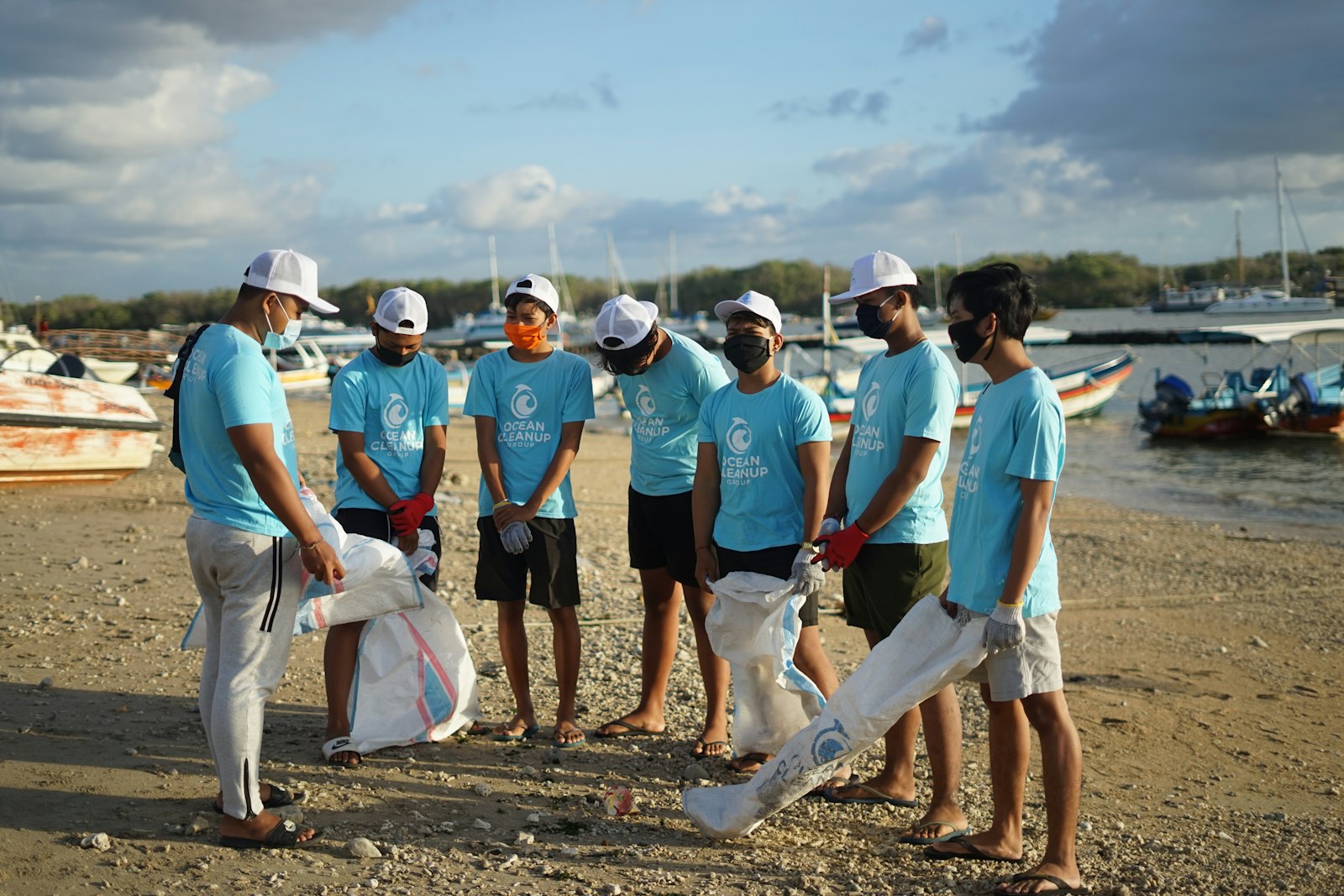
If the part of socializing you dread is the talking — the drink in hand, the where-are-you-from, the effort of being interesting for two hours — then volunteering in Honolulu solves the problem sideways. You show up, someone hands you a task, and you spend three hours next to a stranger doing it. Conversation happens or it does not, and either way the morning was not a failure, because the wall got built.
Why shared work beats shared conversation
When there is a task, nobody has to carry the talking.
At a party, silence is a problem somebody has to solve. On a work day it is two people pulling weeds. The talk that does happen comes out of the work — pass me that, is this one a weed, how long have you been coming. By hour two you have said thirty ordinary things to someone without either of you trying.
The physical arrangement matters more than it sounds. You stand beside someone rather than opposite, both facing the job. No eye contact is required, and you can stop talking without it meaning anything. Anyone who finds socializing effortful knows that difference immediately. It is also, incidentally, daytime and sober, which puts it on the same list as everything in making friends without drinking.
Then the selection effect. Everyone at a Saturday cleanup got up early and drove somewhere to do unpaid physical work, which tells you something true before a word is exchanged: they show up for things. A volunteer day is pre-filtered for the one trait that decides whether an acquaintance becomes a friend — whether they come back — which is most of what finding someone to do things with turns on.
The kinds of volunteering in Honolulu that come around regularly
Think in categories, then find the current version of each one yourself.
Beach and reef cleanups are the most common entry point. A group meets at a shoreline park, splits into stretches and fills bags for two or three hours. They run often and the social density is high, because everyone works the same line.
Loʻi and fishpond restoration days are the ones people talk about years later. Loʻi kalo work is taro cultivation — clearing, planting, mud to the knee. Loko iʻa work, at the fishponds on the Windward side and around Puʻuloa, means moving rock, rebuilding wall, pulling invasive growth. Both are somebody's ancestral practice rather than an activity, which the next section is about.
Food bank and pantry shifts are indoor work — boxing, labeling, loading — usually on a set weekly schedule, the easiest of these to attend repeatedly. Trail crews clear and repair paths in the valleys above town: tools, a briefing, a hike in. Animal shelters need dog walkers, and the shifts are small enough that you learn names fast. Community gardens are the low-commitment end: two hours on a weekend morning close to home.
Pick one and go back. A single cleanup is a pleasant morning; the fourth time, the coordinator starts handing you the job that needs doing rather than the job anyone can do, and that is a different relationship.
Loʻi and fishpond days are someone's ancestral work
You are a guest on a project that predates you by centuries and will continue after you leave.
A loʻi kalo or a loko iʻa is not a volunteering venue. It is a working system that families and community organizations have spent decades restoring, often on land tied to their own genealogy, and you have been let in for a morning.
In practice: arrive on time, because these days open with a protocol or a welcome and walking in late through that is the one thing you cannot undo. Listen to the whole briefing, including the parts that sound like they are for someone else. Do the task as instructed rather than how you would do it at home; there are reasons for the order that will not be explained. Ask before photographing people or the site. Wear shoes you are willing to destroy, and follow any instruction about cleaning gear between sites; it keeps invasive species and plant disease from moving around. Take nothing home — not kalo, not limu, not a rock — unless it is offered.
And if the day meant something to you, come back. These organizations are not short of one-time visitors. They are short of people who turn up for the eighth workday in February in the rain — which is the respectful version, and also the workday where you know everybody's name.
Finding what is actually open this month
Do not trust a list — including this one — for schedules. Go to the source.
Volunteer days get rescheduled for weather, surf, funding and permits, so anything with a date attached goes stale fast. Check the organization's own page for the current month, and expect a sign-up form and a cap on numbers.
For anything on state land — trails, parks, shoreline and aquatic sites — the state Department of Land and Natural Resources is the place to start; its divisions run and coordinate much of this work. City and beach parks go through the City and County of Honolulu. Beyond that the path is unglamorous: ask the people already doing it. Whoever ran the cleanup you attended knows the fishpond people, the trail crew and the garden coordinator, and one question at the end of a workday beats an hour of searching — the same way a specific ask beats a general one when you are inviting somebody to an easy first plan.
A task to stand beside is the easiest reason there is to be next to a stranger, and YKnot works the same way. What members post is something they were already going to do, with room for one more; the asks come back to them and they choose. ID-verified throughout, with the meeting place sent once you are accepted.
See what's happening on Oahu →
Cover photo by OCG Saving The Ocean on Unsplash.