
Things To Do
Meeting people in Kailua and Kaneohe takes longer and lasts longer
Windward Oahu is a separate social world from town, with its own clubs and its own pace. How residents of Kailua and Kaneohe actually get known.
By YKnot Admin · · 5 min read
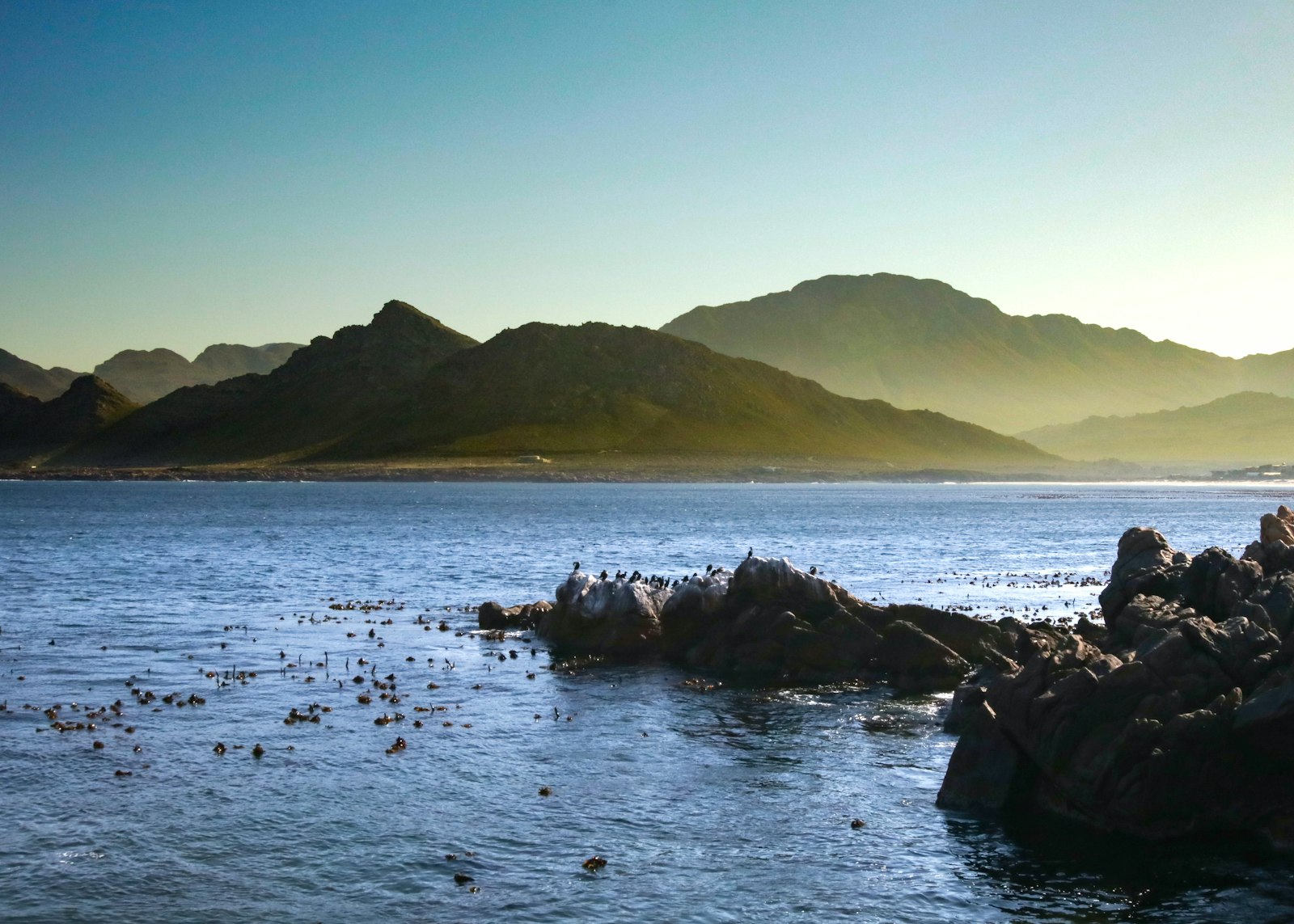
A year on this coast can pass very pleasantly with almost nobody in it. The beach is the easiest thing on this island to enjoy alone, and plenty of people move over the Pali and never get past the sand. Meeting people in Kailua is a different project from having a good Saturday in Kailua, and the second is so easy it hides the first.
Windward Oʻahu is not a suburb of Honolulu, whatever the commute implies. It has its own schools, its own clubs, families four generations into the same valley, and its own opinion about the cars coming over the hill at ten on Saturday. That is why getting known here is slower than in town, and why it holds once it happens.
The visitor-weekend version of this coast is things to do in Kailua this weekend. This is the other one.
The Pali and the Likelike decide who you see
Two tunnels and a mountain are the reason windward is a separate social world. Twenty-five minutes to town at nine, something else entirely at half past four, and when the Pali closes for rockfall or repairs the other crossings absorb it and the whole thing seizes up.
So a 7 p.m. plan in Kaimukī is a decision and a 7 p.m. plan in Kāneʻohe is a default. Friendships that need the tunnels on a weeknight do not survive the year. Build the weeknight ones on this side and let town have your Saturdays.
Your neighbors are not being cold when they stop driving in. They ran this math years ago.
Kailua and Kāneʻohe are not the same problem
They are minutes apart and socially quite different places. Kailua is expensive and transplant-heavy, with a town center that turns over as fast as its residents and beaches under real visitor pressure. The upside is a large supply of adults who also arrived recently and are also looking. The downside is churn: some of what you build leaves the island.
Kāneʻohe is more local, more multi-generational, and organized around things that do not advertise — the district park, the church you have not been invited to yet, the school your neighbor's kids all went to, the bay. Harder to enter cold, far more durable once you are in. Expect a slower yes.
Neither side rewards the Kakaʻako approach of turning up somewhere new each week and meeting people by volume. Here you pick a few things and repeat them.
Meeting people in Kailua means being there before nine
The beach has two populations and they barely overlap. The first is out between six and eight: swimmers doing the same stretch of Kailua Bay, paddlers, dog walkers at Kalama, people coming down off the Kaʻiwa ridge trail at first light and back before work. The second arrives at ten, fills every stall, and leaves at four.
Resident social life is entirely the first population. They are there most days, they recognize each other, and after two weeks of the same hour they recognize you. The sunrise hikes on Oʻahu list covers the windward options — the Lanikai one starts in a residential neighborhood with almost no parking, which is the reason to go early.
The friction between residents and beach traffic is genuine, and you should know where you stand in it. Streets built for a subdivision carry a regional beach crowd, and parking and commercial-operator rules have been tightened more than once, so check what applies now. The part you control is specific and boring: legal stalls, no blocked driveways, ride a bike in when you can, go early. Your neighbors have been arguing about this for years, and arriving with a firm position is not the way into the conversation.
The bay and the fishponds are the real institutions
If one thing organizes this side's social life, it is the water and the clubs built around it. Outrigger canoe clubs launch from Kailua Beach and around Kāneʻohe Bay, and a club is the strongest version of what you are after: a fixed schedule, a crew, a season, and five people who have to learn your name because you share a hull. Novice crews are normal; what varies is when a club recruits and whether it has room, so ask the club directly rather than assuming. The outrigger paddling rundown explains what a first practice is like.
The other way in is work. The loko iʻa and loʻi restoration projects around Heʻeia run community workdays, usually with sign-up in advance and a calendar that moves, so check it rather than turning up. Four hours of hauling rock beside families who have been in this ahupuaʻa for generations does more than a year at the same coffee counter.
Windward means rain, which is why everything here is green and why plans move. After a heavy one the streams run brown into the bay; the state health department's Clean Water Branch posts the advisories. Checking those and the surf is on you, not on whoever invited you.
None of this is fast. Being known here is a function of how many times people have seen you, not how interesting you were the first time. Two things done on a schedule will get you further by December than ten things done once, so pick the two, tell the crew or the project coordinator you are coming back next week, and come back next week.
Being over the hill is only a problem when you are organizing from scratch at six in the morning. YKnot works the other way: somebody already heading to the bay, the ridge or the club posts the plan with a seat spare, and other members ask to come. Everyone on it is an identity-verified member, and the host decides who joins.
See what's happening on Oahu →
Cover photo by Garth Manthe on Unsplash.