
New in Hawaii
Making friends in Honolulu over 40
After 40 the friend group scatters and the invitations stop. What actually works for meeting people in Honolulu at this age, and what to skip.
By YKnot Admin · · 5 min read
Making friends in Honolulu over 40 is not the problem it was at 34, and most of the advice you find is written for 34. Then the obstacle was the calendar — people liked you fine, nobody was free. Now the obstacle is that the group itself came apart, quietly, over about six years, and you did not notice until a Saturday arrived with nothing in it.
One friend took a job in Portland. One moved out to Kapolei and the H-1 turned a friendship into a text thread. One got divorced and the dinners stopped, because the dinners had been a couples thing. Nobody fell out with anybody. The structure just dissolved.
What actually changed, and it is not you
Four things happen at once, and they compound.
Your remaining close friends are old friends, which means they are scattered, and on an island that is more final than it sounds. A friend who leaves for the mainland is genuinely gone. A friend on the West side is a real commitment in both directions, and the two of you will say "we should get lunch" for two years.
Divorce and separation reshuffle a social life with no warning. Most couple friendships turn out to have been held by one person, and when the household splits so does the list — people you assumed were yours quietly become someone else's.
Kids leaving takes a whole scaffolding with it. The sideline at soccer, the pickup line, the band fundraiser, the crew you saw every Saturday for eleven years — that ends in one June. Those were real relationships with a built-in reason to meet, and the reason is gone.
And at work you are the older one now. The people going out after are twenty-eight, the invitation is not for you, and it would be strange if it were. The peers you would want dinner with have their own kids and a commute from Mililani.
Making friends in Honolulu over 40 has one real advantage
You no longer need the room to like you, and that makes you better at this than you were at 25.
At 25, wanting to be liked made you agreeable and vague — the person who said "yeah, whatever works" and got remembered by nobody. You can walk into a masters swim practice now, be visibly the worst one in the lane, talk to two people afterward and drive home without running a post-mortem on it. That flatness is the actual skill.
It lets you do the things that work and are slightly embarrassing. You can say a specific sentence out loud — "a few of us are getting food Thursday, come" — and mean it. You can hear a no and propose the next one. You can tell someone in week three that you enjoy talking to them and would like to do something outside of this, which is the sentence a 25-year-old cannot manage and the fastest way an acquaintance becomes a friend.
The formats that work have a roster and a start time
The ones that work are unglamorous and mostly old: masters swim, golf, canoe clubs, volunteering, church.
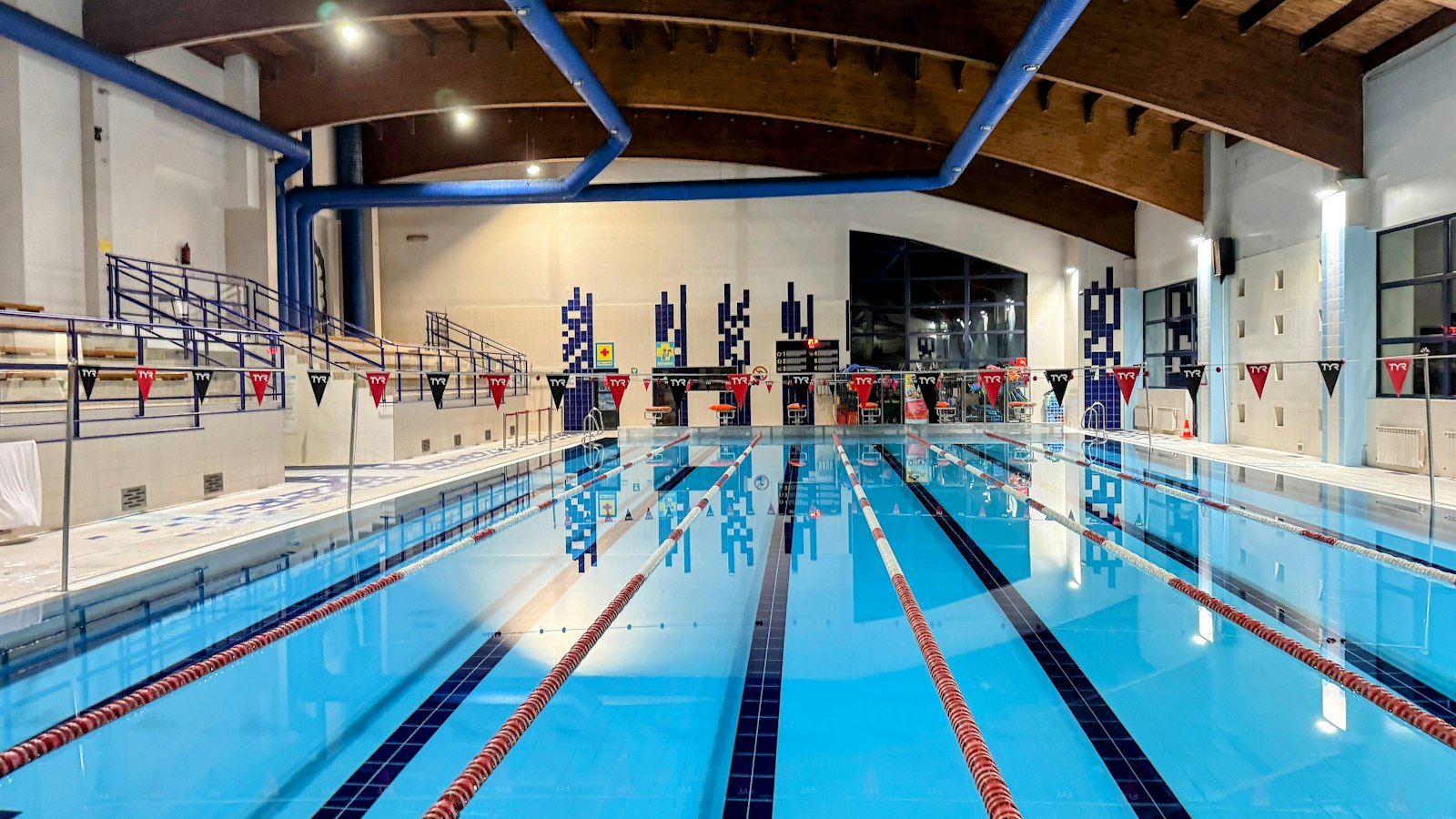
Masters swim is the cleanest of them. Lanes sort by speed, not age, everyone is there at a fixed hour, and nobody can talk during it, which removes the part people dread. Groups train at pools around the island and both the venues and the schedules move, so check which public pools are open with the city's Department of Parks and Recreation and then ask the club itself what it is running, rather than trusting a post from two years ago.
Golf works for a reason people underrate: turning up as a single and being paired into a threesome is normal and handled by the system. Four hours of low-pressure conversation with strangers, by default.
Canoe clubs are the Hawaiʻi-specific answer, and paddling here brackets crews by age — over 40 is a division, not an exception, though how a given club fields its masters crews varies enough to be worth asking. A seat, a schedule, and a crew that notices your absence. Start with how paddling clubs on Oʻahu take beginners.
Volunteering — a beach cleanup, a food bank shift, a loʻi workday — removes the conversational pressure entirely, because there is a task and you talk sideways while doing it. And church, if it is yours, is one of the few institutions left that hands adults a weekly obligation with a weekday layer underneath.
Be honest about your body, then pick
Your knee has an opinion now. So does your shoulder, and the 5am start that costs you the whole afternoon. It decides which of the above you can sustain.
The common mistake is choosing the format you would have chosen at 28, hurting, quitting in week five, and reading the quit as a social failure. It was a joint. Pick for the body you have — swimming, paddling, a walking group, golf, pickleball or tennis with one steady partner instead of a league that needs you four nights a week. Pick what you can still be doing in March.
The reluctance is the whole obstacle
You have been competent at something for twenty years. Then a coach corrects your catch in front of six people, or you shank one off the first tee, and everything in you says this is undignified. That feeling lasts about forty minutes, twice. Nobody in the room is evaluating you; they are thinking about their own stroke.
The timeline is the last honest note. This is slower than it was in your 30s — closer to a year than six months, because you are building it without school, shared housing or small kids doing the work for you. It still works. It just needs you to keep turning up after it stops being novel.
The hard part at this age is proposing everything yourself and waiting to see if anyone bites. YKnot inverts that. Members post plans they were already going to — a Sunday paddle, a table at dinner, an early nine — with a seat open, and you ask for the one that fits your week. The host decides who comes, everyone has been ID-verified, and the exact meeting spot comes through once you are in.
See what's happening on Oahu →
Cover photo by Mariusz Smenzyk on Unsplash.