
New in Hawaii
Moving to Hilo alone
Hilo is a working town with a narrow newcomer route: rain, a university, a hospital, and a market. How to build a life there when you know nobody.
By YKnot Admin · · 6 min read
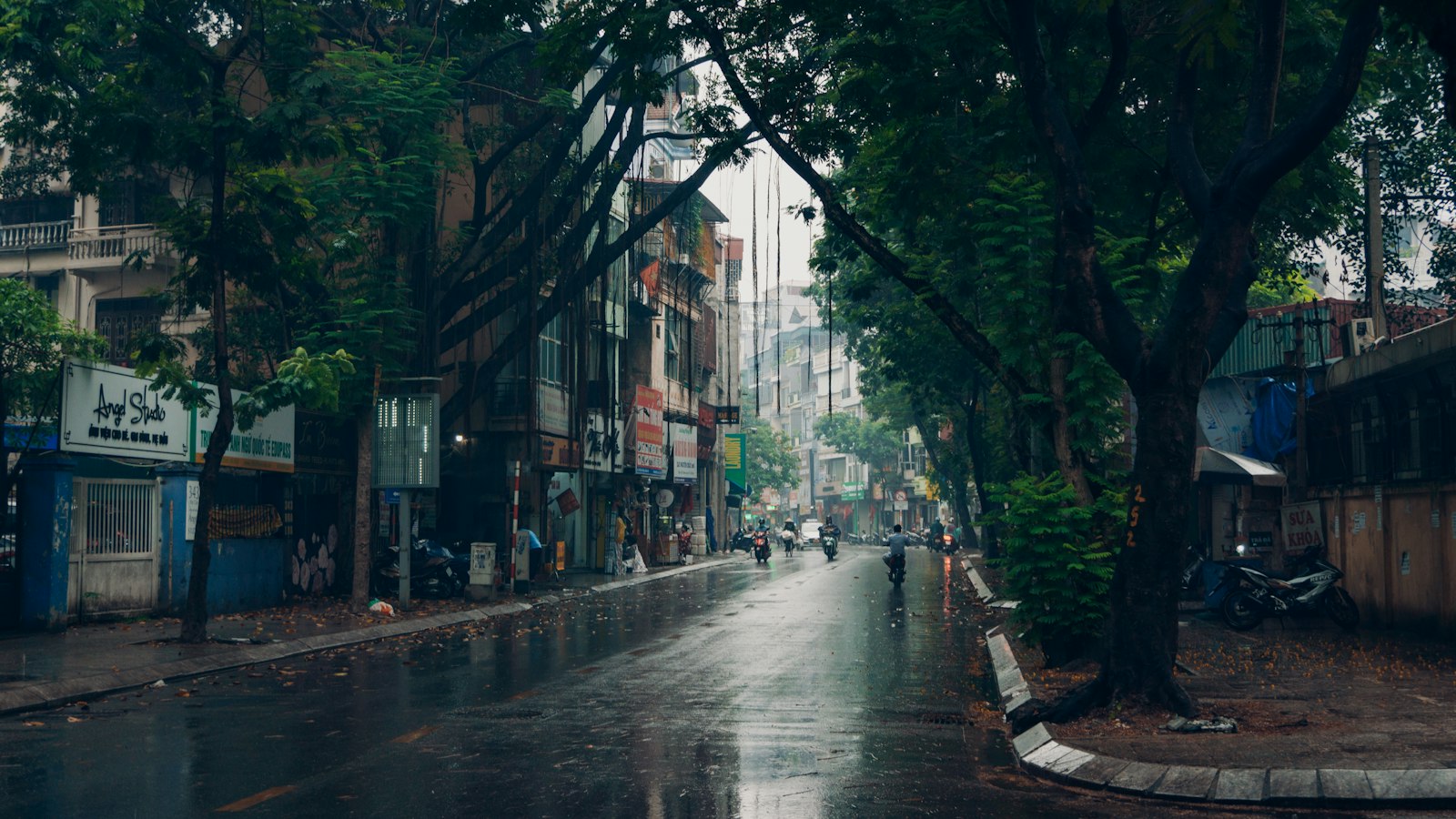
Moving to Hilo alone is a different arrival than moving to Honolulu alone, and the difference shows up by week three. In town on Oʻahu there is constant churn — military, travel nurses, transfers, somebody's new job — and half the room at any beginners' anything is as new as you are. Hilo does not churn. People here have been here, often four generations deep, and the way in is real but narrow.
People here are not unfriendly about it. You will be waved through an intersection and told where to get the good fish. Then everyone goes home to the family they already have, and you drive back to a quiet house with a Saturday ahead of you.
Hilo is a working town, not a destination
Start from the right reference point. This is the county seat of Hawaiʻi Island — a deepwater harbor, a hospital serving the whole east side, a state university, county offices, farms and a fishing fleet. People here have jobs that start early.
What it is not is a resort economy. There is no sunset-cocktail industry manufacturing places for strangers to stand next to each other, which elsewhere does a lot of quiet social work for new arrivals. Public life here is a market, a gym, a church, a beach park, a school event, and the grocery aisles where you start recognizing faces sooner than you expect.
Downtown closes early. If your model of a social life is going out at nine, Hilo will read as empty — almost everything here happens between six in the morning and seven at night.
The rain is a social fact, not just weather
Hilo takes well over a hundred inches in a normal year, and it is not a season you wait out — it arrives most days, in bursts, then stops. Green like nowhere on Oʻahu. Mold in the closet.
Socially it does three things. It makes outdoor plans provisional, so a canceled beach afternoon is not read as a broken commitment. It moves the day earlier, because mornings are more reliably clear, which is why the market, the bayfront run and the surf check at Honoliʻi happen at hours that feel aggressive in week one and normal by month two.
And it puts people indoors, in their own houses, with their own families, which is the part that gets newcomers. A rainy Tuesday in a town where everyone already has people is a warm evening for them and an empty one for you. Build something that does not depend on weather — a gym at a fixed hour, a class, a standing dinner — before you need it.
Moving to Hilo alone is a patience problem
Hilo rewards repeat appearances more than almost anywhere else in the state, and it does not reward introductions at all.
Where there is turnover, people invest in a new face quickly — it might be their next friend. Here the assumption under every first meeting is that you could be gone within a year. Plenty have been. Nobody is testing you; they have just learned not to spend much on a first conversation, and yours buys you very little.
Your fourth buys a lot. The same stall, the same lane at the pool, the same Thursday practice, the same pew, five times — that is when someone asks what brought you over and listens to the answer. Slower than you want, and far more durable.
Practical version: pick two recurring things and do not miss them for two months. Not five things once. Two things, ten times. It is why showing up repeatedly beats interesting one-offs anywhere in Hawaiʻi.
The market is the town's weekly appointment
On the big mornings the Hilo Farmers Market downtown at Kamehameha Avenue and Mamo Street holds more of the town at once than anywhere else in it. Those days have long been Wednesday and Saturday, though hours and size have shifted — check the current schedule before planning a morning around it.
Go early, go weekly, buy from the same three people. That is the mechanism. Vendors are the most consistently present adults in town, and after a month of Saturdays you are a regular, which is an actual status here. Build the rest of the day around it — Liliʻuokalani Gardens and the walk out to Mokuola, Richardson in Keaukaha for the snorkel, the bayfront fields. Most of the things worth doing on Hawaiʻi Island in your first month are the ones residents actually do.
In spring, Merrie Monarch week fills the town. Know what it is before you turn up — a hula competition of enormous cultural weight, not a festival staged for newcomers.
The university and the hospital are the two doors
Every town has a couple of places with a constant inflow of people who know nobody either. In Hilo it is UH Hilo and the medical system, and you can use both without working at either.
The campus runs public lectures, performances, athletics and community classes, and its events and program listings are among the more reliable public calendars in town. A night class is one of the best moves available to a newcomer: a roster, a fixed hour, a room of people at the same starting line.
The hospital and clinics bring in nurses, residents and travelers on contracts — a small, permanently refreshing population of adults in your exact position, and easier to meet than long-time residents.
Two cautions. Do not build your whole life out of other transplants; it is the easy path and it keeps you a visitor. And hold your opinions about Hilo and the rain for a year. Learn names and say them correctly, ask specific questions, come back a third time.
What Hilo withholds from a newcomer is not friendliness, it is information: what is on this Saturday, and whether anyone would mind you coming. YKnot turns that into a request you can actually make. Members post a plan already in their week with a seat open on it; you ask for the seat; the host answers. Members only, every one of them ID-verified, and the exact spot follows the yes.
Be warned that the plans on it are concentrated on Oʻahu right now, so east Hawaiʻi Island is empty ground. If you are moving here anyway, you are going to be doing a lot of things for the first time alone — the market run, the bayfront loop. Putting one of them up where other members can see it changes nothing about your morning except who might be standing there.
See what's happening in Hawaii →
Cover photo by Tien Vu Ngoc on Unsplash.