
New in Hawaii
Making friends in Kona when people keep leaving
Kona fills with newcomers and empties again, which is why locals wait before investing in you. How to meet people on the west side and outlast it.
By YKnot Admin · · 5 min read
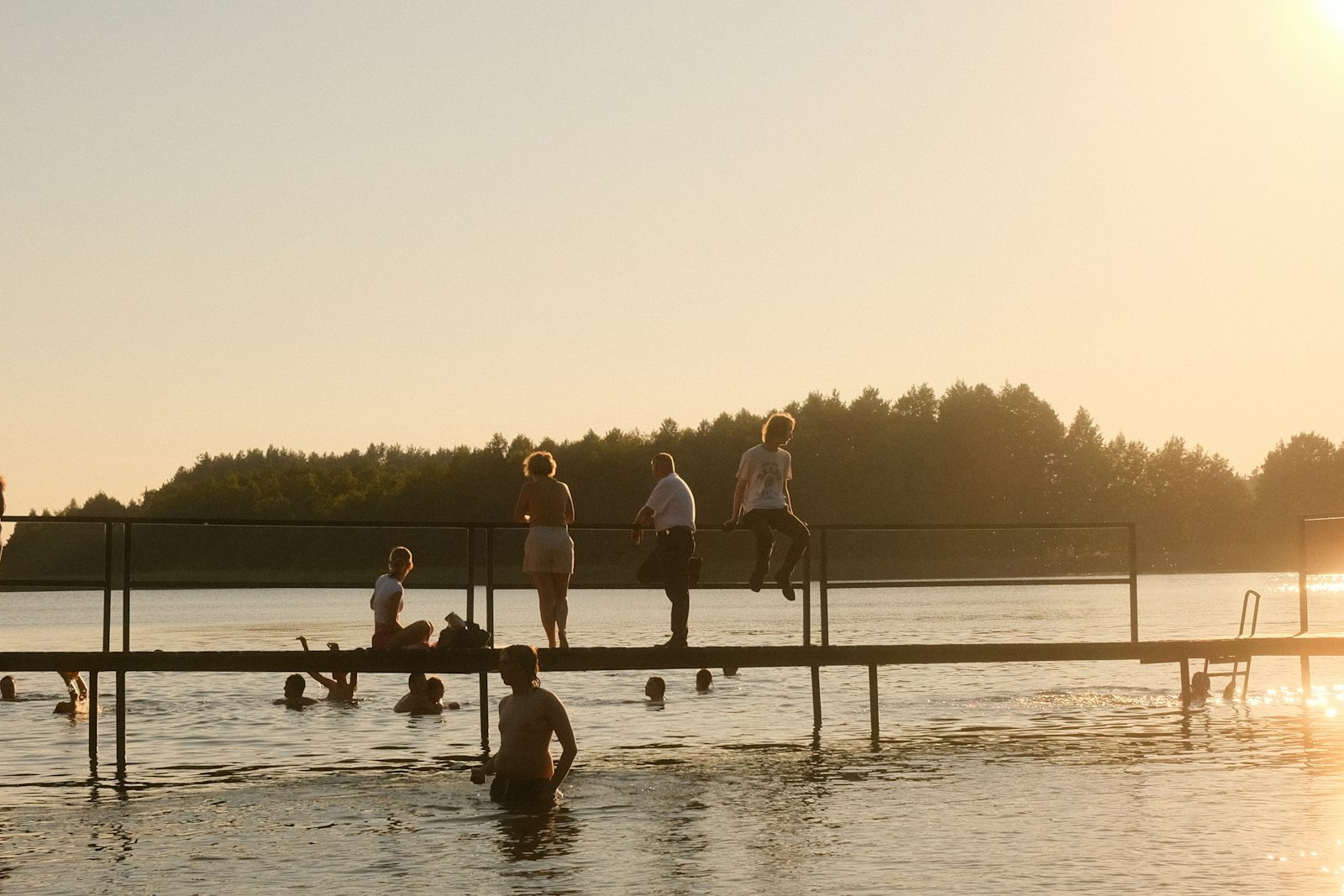
Making friends in Kona is easy for about six weeks and then strangely hard. You will meet more people in your first month here than you did in a year on the mainland — at work, on Aliʻi Drive, in the water, in the parking lot of the store where everyone ends up on a Sunday. What you will not get, for a while, is the second invitation.
That is not coldness. It is arithmetic. The west side runs on a resort and service economy that brings people in constantly and sends a lot of them home again, and enough of your neighbors have watched a new friend sell the truck and fly out in year two that they have quietly stopped spending their good hours on people who might not be here for the next one.
Why making friends in Kona is a different problem than it looks
You are not being screened for whether you are likeable. You are being screened for whether you will still be here.
Most newcomers read the first months wrong. The conversations are warm, the person at the counter remembers your order, someone at the beach tells you where to park. Then you notice the weekends stay empty, and you decide the place is fake.
What actually happened is that you were in a category. Kona takes in seasonal workers, contract nurses and teachers, people on a nine-month lease testing out the dream, people who arrived with savings and no plan. Nobody can tell you apart from them yet — including you, honestly, in month two.
The only thing that moves you out of that category is time visibly spent. Not stated intentions. Not a house purchase. Turning up to the same thing, in the same place, on the same morning, for longer than a visitor would.
The ocean is the actual social institution here
On the west side, the club is the water, and you join it by being there at six in the morning.
This is the thing Kona has that almost nowhere else does. The bay is calm enough, most mornings, that ordinary people with jobs swim a mile in it before work. The pier crowd is the closest thing the town has to a town square: swimmers heading out past the moored boats, paddlers rigging canoes in the dark, cyclists assembling for the ride north up the highway, runners coming back sweating through the same parking lot.
Decades of triathlon culture built an unusual density of people whose week runs swim, bike, paddle, run — and the entry point is showing up on the same schedule they do, badly, without asking anyone to slow down for you.
Two things before you do. Learn the ocean before you trust it: the bay is sheltered, the coast either side of it is not, and swell, current and the afternoon wind change what is reasonable. Check conditions rather than copying whoever is already out there, and know the tide before a dawn swim or a launch — NOAA's tide predictions are the official source. Swim when other people are out, wear a bright cap, tow a float, and tell someone on land what you are doing and when you expect to be back in. And if you want the canoe clubs, understand you are joining something with its own lineage and protocol, not a fitness class: go to ask, listen more than you talk, and expect a season calendar you will have to learn.
If dawn swimming is not your body, the same principle works elsewhere — the run groups, the coffee farms up in Hōlualoa, the volunteer shifts, the things that do not cost anything and repeat. There are plenty of regular free things to do on this island if you pick ones that meet again next week.
The one-year line is real
Somewhere around a year, people start including you in things without a reason.
You will feel it as a change in tense. Early on, everything said to you is conditional — if you stay, if you like it, when you go back. Later someone says "we're doing this in October" and does not explain it to you, because you are assumed to be present in October. That shift is the whole thing.
What earns it is boring: you kept the same Tuesday, you came back after the first flat spell, you learned two or three names beyond the person who signed you in. You never announced that you were different from the other newcomers — you just outlasted the question.
Be patient with the wariness, because the people extending it have usually been left. A friend moving away is a real loss, and the west side asks people to absorb that over and over.
Say plainly which one you are
The honest split is between people building a life here and people having a season here, and both are fine — as long as you say which.
Nothing sours faster than a newcomer who talks like a permanent resident for eight months and then leaves without a word. Nothing goes better than the contract nurse who says on day one, "I'm here thirteen weeks, I want to paddle and I want to eat well, I'm not going to pretend otherwise." People give a lot to that person, because it is true.
So plan accordingly. If you are here for a season, go wide, be generous, and do not expect the deep stuff. If you are staying, pick two or three things and commit for a year. Either way the thing that decides it is smaller than the move was: one person to do something with on an ordinary Saturday, which is a different problem than being surrounded by people.
The bay is right there every morning. What Kona makes you work for is a second person going at the same hour, and then going again the week after. YKnot is built for that second person: a member posts something already in their week with a spare seat on it, other members ask for the seat, and the person hosting decides. It is members-only, every account is ID-verified, and the exact spot reaches you once you are in.
Straight answer about the west side: this is Oʻahu's app so far, and the plans here are few. That makes you early rather than late, and early on a coast this small mostly means the first swim anyone sees posted from the pier is yours.
See what's happening in Hawaii →
Cover photo by Angelina Kusznirewicz on Unsplash.