
Living Upcountry on Maui when everything is downhill
Upcountry is cool air, one road, and a long way down to everything. What that costs your social life in Makawao, Pukalani and Kula — and how people fix it.
By YKnot Admin · · 7 min read
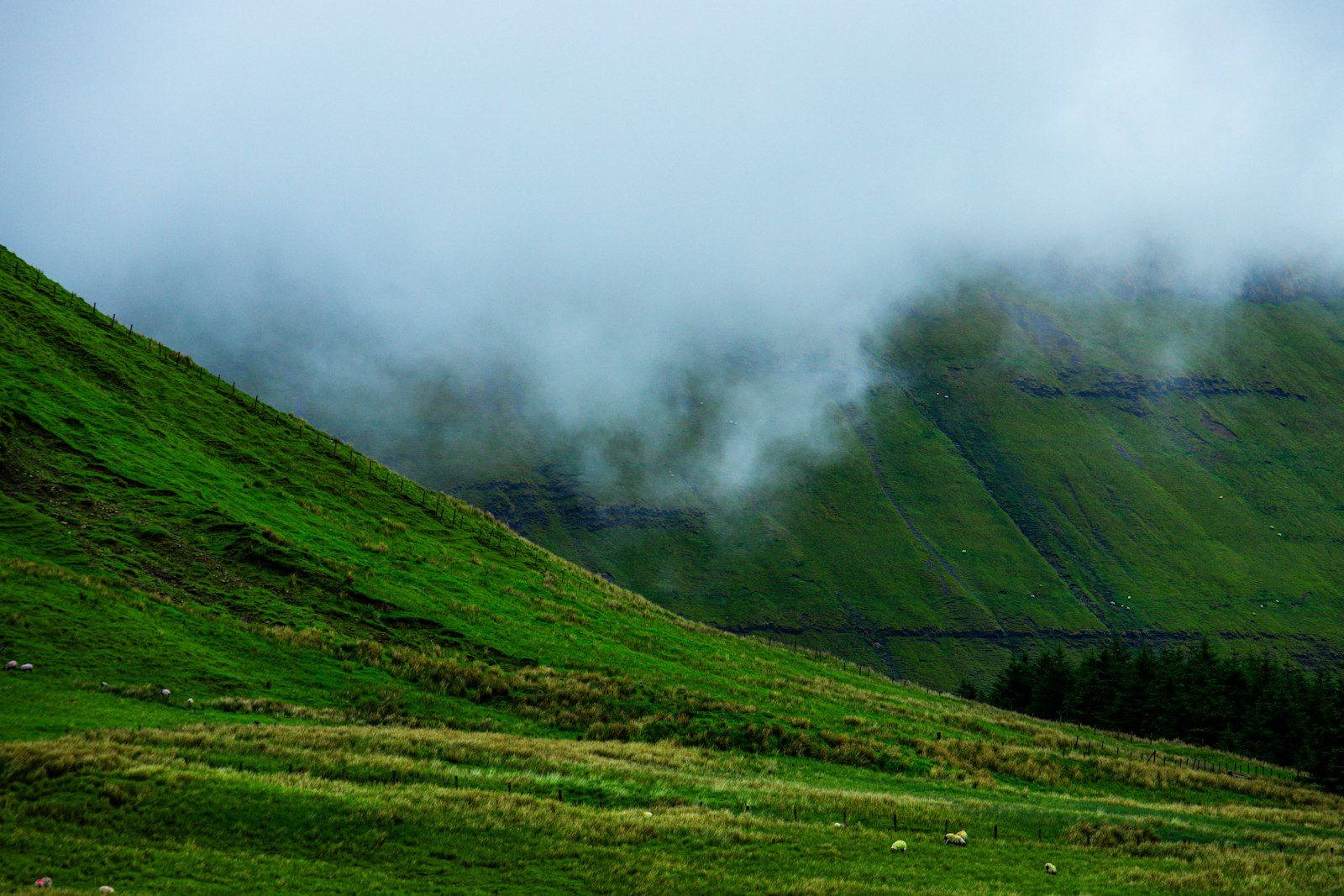
People move Upcountry for good reasons. The air is cooler than the coast by real degrees. The rent goes further. You can see the whole isthmus and both sides of the water from a driveway.
Then a few months in, the same thing happens to almost everyone. You got the distance you asked for, and it turned out to be load-bearing.
Living Upcountry on Maui is a decision about a road before it is a decision about a house. Haleakalā Highway climbs from Kahului through Pukalani, splits toward Kula on one side and Makawao on the other, and that is essentially it. Everything in your week — work, the big grocery store, the hospital, the airport, anybody you knew before you moved up — is at the bottom of it. You will drive it more than you think and almost always alone.
The elevation is a social filter, not just a climate
Coming up here is a self-selecting act. The people Upcountry chose quiet on purpose: artists, ranch families, farmers on the Kula belt, tradespeople who wanted land, remote workers who worked out they could do it from a cooler zip code, retirees who came for the temperature. That is a genuinely interesting population, and one that is structurally bad at spontaneity, because every one of them has to get in a car to do anything together.
What the drive does is quiet. It does not cancel your plans; it taxes them. A 6:30 table in Kahului means leaving Kula at 5:45 and climbing home in the dark afterwards, and the road at night Upcountry is two lanes, unlit in stretches, and fogs in without much warning at a temperature nothing like the coast. So you do it twice a month instead of twice a week. Pāʻia is closer — down Baldwin Avenue from Makawao, a short winding run — and it takes some of the load. Kīhei and the Wailea side effectively do not exist on a weeknight.
Meanwhile the cold arrives early. By the time it is dark, Upcountry is genuinely chilly, the house is warm, and the second beer you were going to have in town has stopped being appealing. Your evenings are not really free hours up here. Your mornings and your weekday afternoons are.
That is the whole problem, and it is why the fix is not "get out more." It is scheduling.
Makawao, Pukalani and Kula are three different social problems
They get grouped as one word and they are not one place.
Makawao is the one with a street. Baldwin Avenue at the crossroads has galleries, a couple of bars and restaurants, a long-running bakery with a queue, and working artists who actually live here rather than commuting in to sell. It is also a paniolo town with real cattle-ranch history attached to it, not as decoration — the annual rodeo around the Fourth of July is the town's biggest weekend and families have been riding in it for generations. Makawao gives you the closest thing Upcountry has to walking into somewhere and being recognised.
Pukalani is the practical middle: the junction everybody passes through, the supermarket, the gas, the terrace center, the golf course, the high school that most Upcountry kids go to. It is where errands happen, which means you will see the same faces constantly and have no structural reason to speak to any of them. Pukalani's social life runs through what your kids do, what you play, and what church or temple you belong to — and if you have none of those three, it can be the loneliest of the three towns despite being the busiest.
Kula is the farm belt and the long thin one. Houses set back behind gates, pasture, protea and vegetable farms, twenty minutes between neighbours you like. Keep going and you are in Keōkea — a store, a coffee place, a park — where far-Upcountry people do their version of a night out at ten in the morning. Kula is wonderful and it will not hand you anybody.
Hāliʻimaile and Haʻikū sit at the edges of this — one a small plantation camp with pineapple still growing around it, the other greener, wetter and full of remote workers and households who wanted trees. Both belong to the same map for the same reason: short on distance, long on nobody-comes-by.
The things that repeat are the whole answer
The single biggest predictor of an acquaintance turning into a friend is unplanned repeat contact. Upcountry has fewer chances at that than the coast does, so the ones it has matter more.
Saturday morning at the market in Pukalani. The Upcountry farmers market is the district's standing appointment. It starts early, the serious stuff goes fast, and the crowd is the same crowd weekly — farmers, families, the person who always brings a dog. Go at the same early hour three weeks running and people start nodding. Compare it with the rest of the island's markets and it is the most residential of the lot.
Hands and classrooms. The visual arts centre on the old estate above Makawao runs classes and open-studio sessions in things like ceramics, printmaking and painting. A six-week course is the most reliable friendship machine Upcountry has, because it is the same eleven people at the same hour with something in front of them. The county gym and fields in Makawao do the same job for adult leagues and youth sports; a kid in anything signs you up to a sideline of parents for the season.
Church, temple and the calendar around them. Upcountry has a stone church, a Catholic parish, a Hongwanji mission and more besides, and in summer the Buddhist temples host bon dances that run as open community nights. You do not have to belong to attend one of those, and it is one of the few Upcountry evenings people will actually drive to.
The forest. The reserve above Makawao is trail-running, mountain-biking and dog-walking country, cool and foggy, with a parking area and a gate that closes — so it self-organises into a morning crowd. Access on state land changes often, so the hikes Maui residents actually do is the honest version of the list, and vetting who you go with matters more at elevation than at sea level.
The rotating Friday. Maui's town party moves around the island through the month, and one of those Fridays is Baldwin Avenue. It is the one night a month when Makawao behaves like a town square.
Use the weekday. Nobody else is.
Here is the advantage Upcountry has and almost nobody spends: a large share of the people up here are free in the middle of a weekday. Remote workers with a flexible block after lunch. Farmers who started at five and are done by two. Retirees with an entirely open Tuesday. Trades that finish early.
That is a pool of adults with open daylight hours and no mechanism for using it together, because everyone assumes socialising is a Friday-night thing and Friday night is exactly when the hill is least co-operative.
So say your hours out loud. "I'm free Wednesday afternoons" is the most useful sentence you can hand another Upcountry person, because they are sitting on the same empty block and cannot find you. A ten-o'clock walk in the reserve, a two-o'clock coffee in Makawao, a Thursday morning at the farm gate — all easy yeses, and the drive is short in daylight in a way it never is at nine at night.
And be the one who names the time. Almost everybody up here waits to be invited, which is why the road wins by default. Whoever says "I'm going at four, there's room in the truck" is the reason the district has any social life at all. The drive is always worth it when there is a seat waiting at the other end. It is never worth it for a maybe.
If you are still deciding where to land, moving to Maui alone and how people make friends here are the wider version of this. Kīhei is the opposite trade: more people, less air.
YKnot is built for exactly that gap: people here post plans they're already going to — a hike, a dinner, a paddle — with a spare seat, and you ask to join. It's members-only and everyone's ID-verified, so you know who you're connecting with.
See what's happening on Oahu →
Cover photo by atelierbyvineeth ... on Unsplash.