
Things To Do
How to find a hiking partner on Maui
Upcountry weather, thin air at the summit and gulches that flood fast. How to vet a hiking partner here, set a turn-around, and check conditions first.
By YKnot Admin · · 6 min read
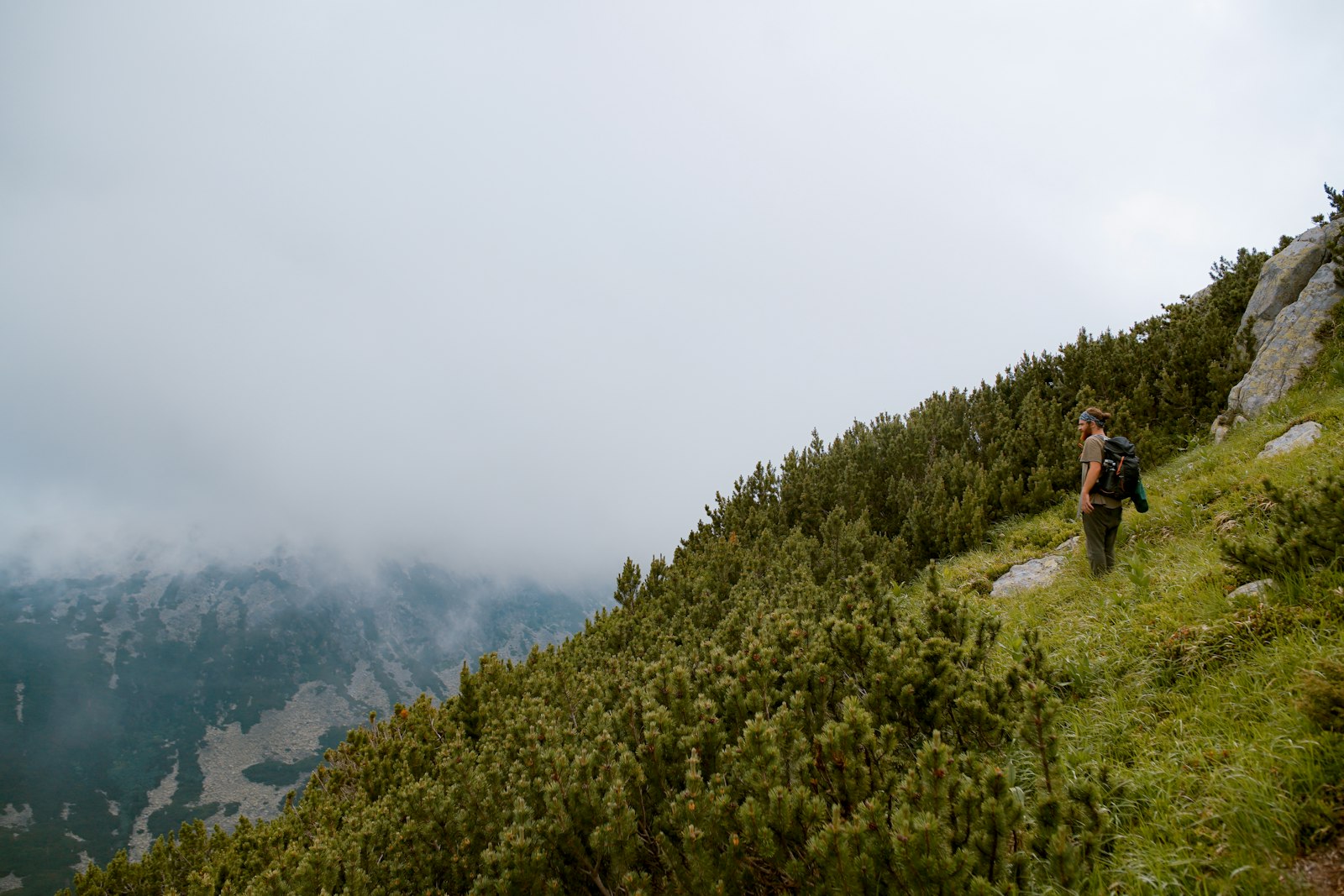
Finding a hiking partner on Maui is a scheduling problem long before it is a fitness problem. The trails are documented to death. What is not written down anywhere is the name of one other adult who is free on the same Saturday and willing to set an alarm for four in the morning to use it.
If you live here you already know where you want to go. The people you would ask work opposite shifts, live on the other side of the isthmus, or have had Saturday spoken for since Wednesday.
The risk on Maui is climate, not ridge exposure
On Oʻahu the partner conversation is about narrow spines and somebody's old rope. On Maui it is about how much the air changes between your driveway and the trailhead.
Upcountry is a different climate from the coast, not a cooler version of it. You can leave Kīhei in a t-shirt and be in fog, wind and long sleeves by the time you are through Kula. Keep climbing and it stops being a comfort question. The summit of Haleakalā sits a shade above ten thousand feet, the road gets you there in a couple of hours from sea level, and the combination of cold, wind and thin air puts fit people on a rock with a headache and nausea. Fitness buys no protection from it. It picks whoever it picks, and it arrives faster than either of you expects.
Water is the other one. Maui's gulches drain enormous amounts of mountain into very narrow channels, and the rain that fills them often falls miles above you, in a place you cannot see, while the sky where you are standing looks fine. Brown water, moving debris and a stream crossing that was ankle deep an hour ago are the classic sequence. A partner who understands that a crossing is a decision, not a formality, is worth more than a partner who is fast.
What to ask a hiking partner on Maui before either of you drives anywhere
Fitness is the least useful thing to screen for. What you want to know is what someone does when the day stops going to plan.
Lead with your own answer so they have something to match rather than a vibe to agree with: the last thing you walked, what it took out of you, how often you sat down, what is in your pack, what you will not do. Then listen to theirs for detail: someone who has been up a trail recently can tell you what the ground was like underfoot.
Four things worth settling in writing rather than in a parking lot:
- What are you hoping for out of the day? Photographs, a hard training effort and a conversation are three different mornings. Two people with the same pace and different ambitions still ruin each other's Saturday.
- What are you bringing? Layers, a headlamp, more water than looks reasonable. If somebody is planning on one bottle and a hoodie for an upcountry start, they have told you how the day ends.
- Which car, and what time does it leave? "We'll just meet there" is how one of you waits forty minutes at a gate in the dark for someone who is still in Wailuku. Name a vehicle and a departure time, not a trailhead.
- What happens if the weather turns? Ask it flat out. You want the person who has already pictured walking back down wet, not the one who says it will be fine.
If you have never met, meet somewhere public first, and keep the ordinary care you would take with anyone new — a trailhead does not make a stranger less of a stranger. Make the first one together something ordinary and popular. You are not auditioning the trail; you are finding out whether this is someone you want beside you when you are cold and behind schedule. There is a decent shortlist of low-consequence ground for that in Maui hikes for beginners.
Fix a turn-around time, then tell a third person
The number that keeps you safe is a time on a watch, not a point on a map. "Nine o'clock, wherever we are, we turn around."
People get hurt in the last hour of a climb, nearly there, with the weather only starting to move. Fixing the hour in the car, out loud, while you are both warm and reasonable, is how you stop two tired people talking each other into another twenty minutes.
Then leave the plan with someone who is not coming: the trail, who you are with, the car, and the hour you should be walking out. Give them an hour at which to start worrying, and tell them the moment you are down. Coverage on the back side of the mountain and in the gulches ranges from patchy to none, so the plan you left behind is the only one anybody can act on.
Do the conditions check in the days before you go, not when you are booking. Haleakalā National Park posts closures, road work, weather and current entry rules on its official park site — worth reading properly, because access for summit sunrise has run on advance reservations in recent years and the rules have changed more than once. Everywhere else the trailhead is on you: whether the gate locks at dusk, whether the lot fills by five, whether a crossing you have done twenty times is running high on rain that fell somewhere you never saw. If the water is brown, carrying debris, or above your knees, the crossing is off — you wait on the near side or you turn around, and a partner who argues is a partner you go without. If the trail is off, call it early and swap it for something else on the island that weekend — a partner you canceled on sensibly will come out again.
You can solve the trail with a map. The other person is what YKnot is built around: members put up a plan they have already committed to — this trail, this start time, this pace, two seats going spare — and other members ask for one. The host reads the requests and decides. Nobody on there is anonymous; every account has been through ID verification, and the meeting details reach you when the host says yes.
Be straight about where it stands on Maui: the plans are thickest on Oʻahu and this island is new ground. Early is a real thing to be, though. It means the Saturday hike other people find on here is the one you posted.
See what's happening in Hawaii →
Cover photo by Toa Heftiba on Unsplash.