
Things To Do
Hikes locals do on Maui are the ones closest to the house
Residents do not drive across the island to walk. The radius, the hour and the repetition a Maui hiking week is actually built on, and why it works.
By YKnot Admin · · 5 min read
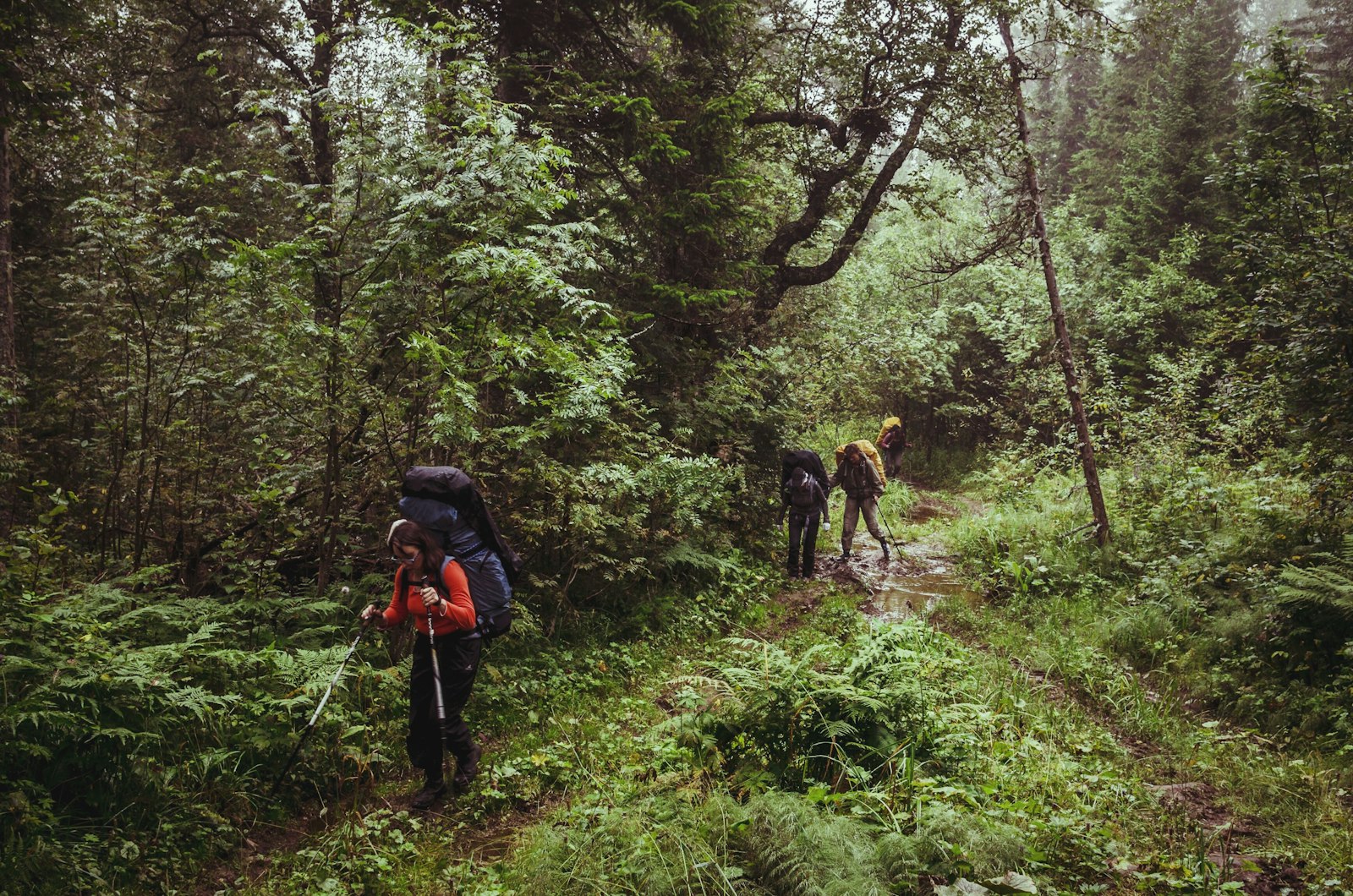
Ask where to hike on this island and you are handed the summit at sunrise, the bamboo on the Pipiwai Trail, the walk up in ʻĪao. Three good places that most residents reach a handful of times in a decade. The hikes locals do on Maui are the ones fifteen minutes from the house — forty minutes on foot, the same hour most weeks, the same few faces going the other way. That is not a lesser kind of hiking if you live here. It is all of it.
A trip is not a routine
Every famous walk on this island is a production, and a production is not something you repeat.
The summit means a reservation and an alarm in the middle of the night, then a drive up through Pukalani and Kula in the dark to stand in cold wind above ten thousand feet. Kīpahulu is out past Hāna: a whole day, most of a tank, and a road with its own etiquette, set out in the Road to Hana etiquette guide. ʻĪao is close enough to Wailuku that its parking is gone by mid-morning.
None of that is a criticism of them. It is just not the question you asked, which was where people who live here walk on a Wednesday.
The hikes locals do on Maui are picked by radius, not by view
The only test that matters is whether you would still go with ninety spare minutes, no company and no particular reason.
So the honest answer depends on where you sleep rather than on what is best. A Kīhei household walks the paved shoreline path or the boardwalk over the wetland at its north end, because it is a few minutes' drive and there is no decision to make about turning back. From the Wailuku and Kahului side it is the flat open coast running north, wind straight into your face. Upcountry, the reserve land above Kula is cold and quiet and empty on a weekday afternoon, though the road up is part of the commitment, so confirm it is open first.
Nobody chose these because they were the best ground on the island. They chose them because they are close, and close is the only thing that survives a work week. The ambitious trail forty minutes away gets walked in February and again in November. The one you can be standing on eleven minutes after deciding to go gets walked sixty times a year.
The hour gets chosen the same way, by what the island allows. Mornings are calm before the wind fills in and the cloud stacks against the mountain, the coastal paths take the trade wind head-on all afternoon, and the upcountry forest fogs over without much warning at a temperature nothing like the coast. Going early is not virtue. It is when the walk works.
Repetition is what turns a walk into a way to meet people
Nobody makes a friend on a trail they walk once.
Regulars recognize regulars. Walk the same stretch at six three mornings a week and inside a month you have nodded at one runner thirty times, and thirty nods is a conversation waiting for either of you to start it. That is how adult friendship actually gets built here: repetition in one place, not variety across many.
It also makes a walk easy to invite somebody into. An hour on flat ground at five is a small ask — a near-stranger can say yes without clearing a day or owning gear. Four in the morning at the summit is not. Save the ambitious one for when you know how the other person makes decisions, which is the conversation in how to find a hiking partner on Maui. If you would rather do the marquee trails properly first, they are in Maui hikes for beginners.
Two things do not bend, however ordinary the walk is. If a stream is running brown or carrying debris the crossing is off — wait it out or turn around, and do not go looking for a better line. And the rain that fills a gulch falls miles above you, out of sight, while the sky over your head looks fine.
Access changes here far more often than the terrain does, for storm damage, road work, hunting season on some forest reserve land and reasons never given. Trail status and closures for state land sit with the Nā Ala Hele program at the Department of Land and Natural Resources; check in the days before rather than at the gate, and remember a route across private land needs the owner's permission whatever the app shows. Coverage is gone through much of the upcountry forest, so somebody should know your trail and your turnaround time before you leave the car.
A regular walk is easy to keep and hard to share, because the people who would come have no way of knowing it exists. That is the part YKnot handles: somebody posts the path, the hour and the pace they are already walking, with the spare seats counted honestly, other members ask, and the host decides. Every account has cleared ID verification, and the meeting point lands with the acceptance.
Worth saying plainly — most of what is happening today is on Oʻahu, and Maui is the newest ground for this. Early is the accurate word, and early is a decent position to be in. The standing Wednesday evening walk that other people eventually join is the one somebody posted before anyone was there.
See what's happening in Hawaii →
Cover photo by Daniil Silantev on Unsplash.