
Things To Do
Maui Farmers Markets: A Local's Guide
A local's guide to Maui farmers markets, from the Upcountry market in Kula to the big Saturday market in Kahului, west side stalls and fruit stands.
By YKnot · · 5 min read
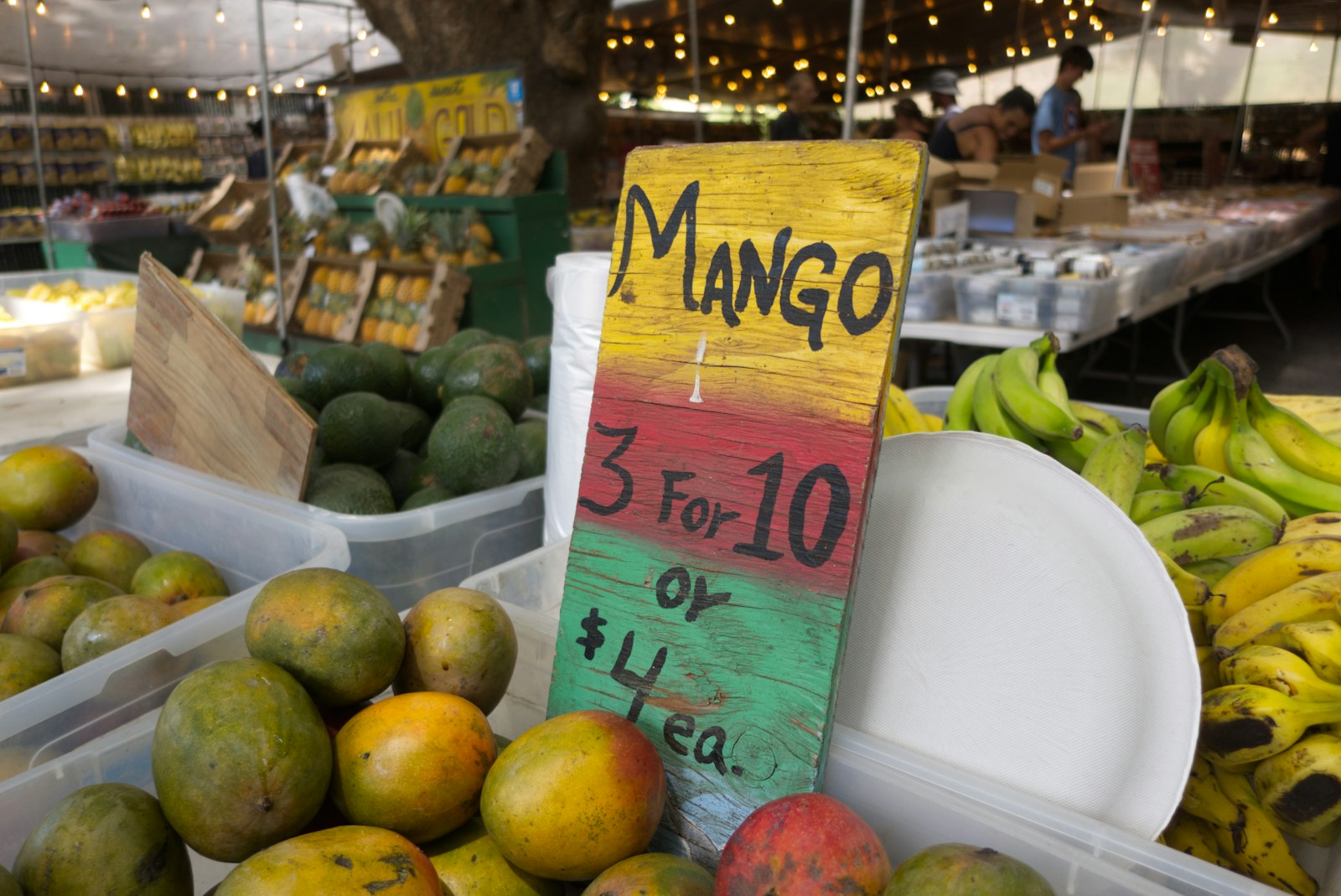
Maui farmers markets are the cheapest way to eat well here and the fastest way to figure out what actually grows on this island. Some are proper weekend markets with coffee, hot food, and a view. Others are a folding table and a coffee can on the side of the road. Here's where to go, what to put in your bag, and how not to look brand new.
What to expect at Maui farmers markets
Two kinds of stalls. Farmers selling what came out of the ground this week, and cooks selling breakfast or a plate to eat standing up. The big weekend markets have both.
Days, hours, and venues shift with seasons, holidays, and weather, so check the current schedule before you drive. Maui is bigger than it looks on a map — Kula to Kāʻanapali is a real commitment, not a detour.
The Upcountry Farmers Market in Kula
Saturday mornings, and this is the one. It's held in Kula on the slopes of Haleakalā, and it draws the growers who farm up there — which means produce you won't see at the grocery store down in Kahului.
Expect long rows of vegetables and fruit, plus prepared food, baked goods, coffee, flowers, and local makers. Eat there. Somebody is always selling something hot and good.
Go in the first hour. The best stalls sell out, the lot fills, and the whole thing winds down earlier than visitors expect. It's cooler up there too, so bring a layer — and stop on the way down for the view across the isthmus.
Check the current schedule before you commit to a morning.
The big Saturday market in Kahului
Saturdays in Kahului, and it's part farmers market, part flea market. One row is papaya and greens and flowers; the next is crafts, shells, aloha shirts, plants, and somebody's garage.
It's cheap, it's easy to park at, and it's the most central option on the island. If you're staying in Kīhei or Wailuku and don't want to drive Upcountry, this is your Saturday.
Bring small bills and a bag. Check the current schedule and admission details before you go.
West side markets in Nāpili and Kāʻanapali
The west side runs its own smaller markets, including stalls around Nāpili and the Kāʻanapali area. They're weekday-morning, in-and-out affairs rather than destinations — good for fruit, greens, flowers, and a coffee before the beach.
Days move around more here than anywhere else on the island, so check the current schedule rather than trusting an old blog post.
Worth saying plainly: Kāʻanapali, Nāpili, and Kapalua are open and those small vendors rely on visitors. Lahaina town was destroyed in the August 2023 wildfire and is not a sightseeing stop — check what's open and let that community be.
Kīhei and the south side
South side markets run on a handful of mornings each week, usually smaller and produce-forward, with a few prepared-food and craft tables mixed in. Perfect for stocking a condo kitchen if you're staying in Kīhei or Wailea.
Schedules here change often. Check the current listings for days and times before you plan around one.
Roadside fruit stands on the Hāna road and in Haʻikū
Some of the best fruit on Maui is sold out of a wooden box on a driveway. You'll pass stands along the Hāna road and all around Haʻikū — banana bread, coconuts, lilikoʻi, avocados, and whatever is ripe that week.
Plenty run on an honor box. Bring small bills, take what you pay for, and pay what's posted. That system only survives because people keep it honest.
One driving rule: pull fully off the road before you stop, and don't park where signs say not to. These are driveways and neighborhoods, not attractions.
What to actually buy
- Maui Gold pineapple — grown here, sweeter and lower-acid than what gets shipped out. Get a whole one.
- Kula strawberries and Kula onions — seasonal, Upcountry, and worth the drive when they're on.
- Apple bananas — short, tart, nothing like the supermarket kind.
- Lilikoʻi — passion fruit, eaten with a spoon or cooked down into syrup for everything.
- Avocados — the big local ones, sold by weight, ripe within a day or two.
- Maui coffee — grown on the island and sold by people who know the farm.
- Local honey — often single-flower, and it tastes like where it came from.
- Poi and taro — fresh poi is its own food, not a side dish.
- Fresh poke — if a fish stall is there, buy a container and eat it in the car.
A few tips
- Bring cash in small bills. Some vendors take cards, plenty don't.
- Bring your own bag, and a cooler if you're driving to the other side of the island.
- Go early. The good stuff sells out and the parking fills first.
- Don't block a stall while you decide. Step aside and let people order.
- Ask before you photograph a table or a face. Most people say yes.
- Ask what's in season. Growers here will give you a straight answer and usually a recipe.
More Maui guides
Island-hopping? Compare notes with the Oʻahu farmers markets guide and the Kauaʻi farmers markets guide. Staying put: build a weekend from things to do on Maui this weekend, and if you just landed, read how to make friends on Maui.
Make it a plan
A market run plus coffee after is about the lowest-pressure hour you can share with somebody. It's outdoors, it's short, nobody has to be clever, and there's a built-in exit. On YKnot you open a line for the plan you're already doing — "Upcountry market, Saturday 8am, two spots" — and see who's nearby. Members are ID-verified, so you know who's coming before you say yes.
You're going anyway. Bring somebody. 🌺