
Things To Do
Flat water first: stand up paddleboarding on Oahu for beginners
Flat water, borrowed gear, and the wind rules that keep a first session from becoming a rescue. Written for people who live on the island.
By YKnot Admin · · 5 min read
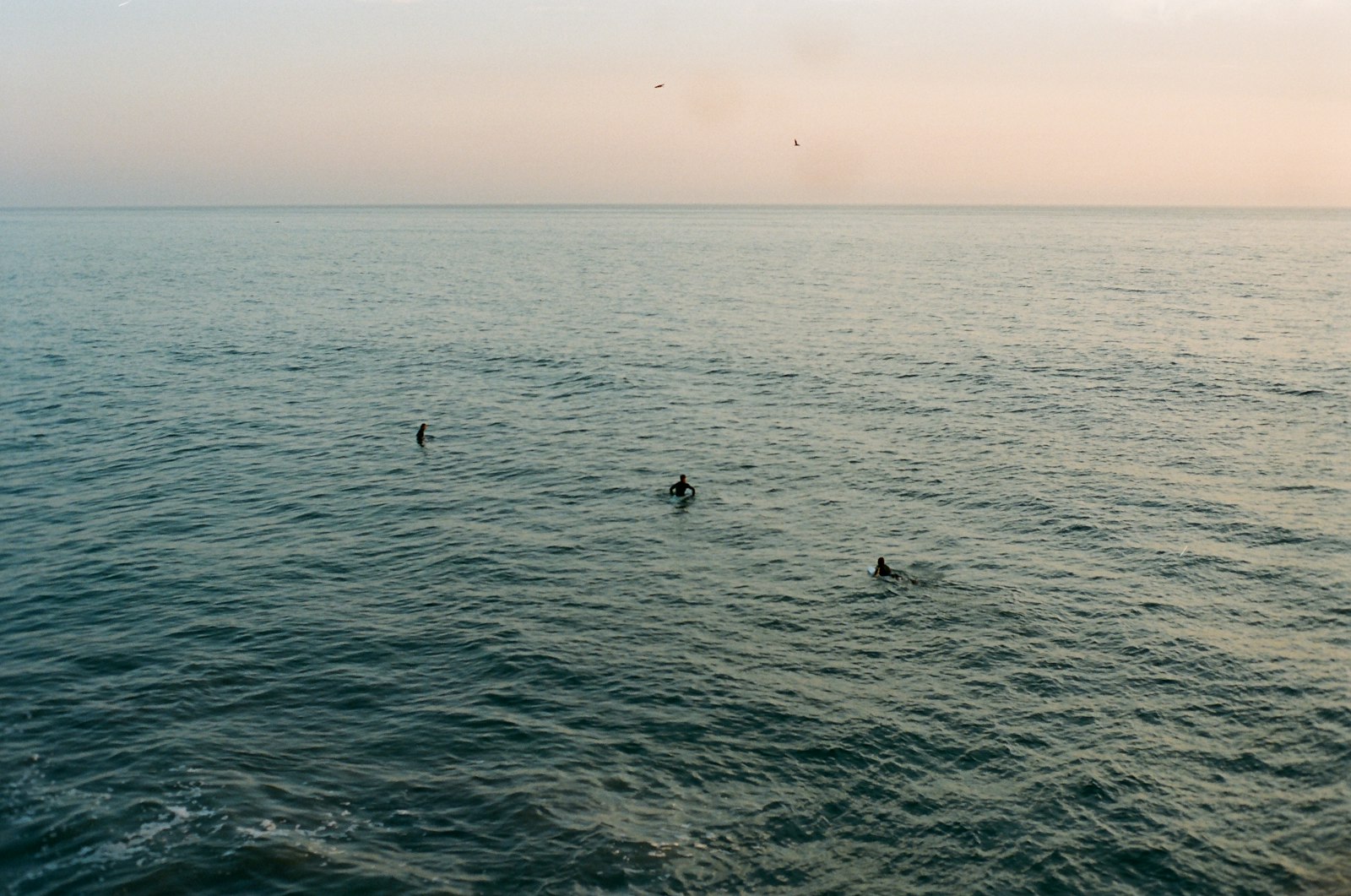
Stand up paddleboarding on Oahu for beginners is the shortest path onto the water that exists here. Surfing takes a season before you are anything but in the way, diving takes a certification, a canoe club means joining a club. A board, a paddle and an hour of flat water takes a morning, and most people are standing by the end of a first session. It is also the most sociable thing you can do out there: upright, a few feet apart, talking the whole time. What the low barrier hides is the one hazard that actually puts paddlers here in trouble, and it is not the surf. It is the wind.
Where the flat water is, and why flat water is the whole point
Protected flat water is not the easy option for a first session, it is the only acceptable one.
Flat water lets you learn where your feet go and how the paddle moves the board, and it keeps you somewhere you can get back from when conditions change, which is the part beginners underrate.
In town, the Ala Wai Canal is the obvious answer: sheltered on most days, walkable from much of Honolulu, and unglamorous, which is what you want the first time. Stay off it after heavy rain, and take brown water advisories seriously. Maunalua Bay off the Hawaiʻi Kai side is the better version — wide, shallow, usually calm early, and where a lot of people on that side of the island learn.
Kāneʻohe Bay is sheltered by its barrier reef, but it is big and it gets windy; stay inside the reef, near shore, and turn around early. Keʻehi Lagoon is the sheltered option west of town; on the North Shore, Haleʻiwa harbor and the Anahulu River are flat in summer and not the same place in winter. What these share is that you can see your exit the whole time.
The wind is the danger, not the waves
An offshore wind will carry you out faster than a beginner can paddle back, and that is how people here end up needing a rescue.
A board in wind is a sail and you are the mast. With the breeze behind you on the way out everything feels effortless, which is the moment to be afraid: the return leg is into it, and by the time you notice you are not gaining on the shoreline you are tired. What follows are rules, not tips. The day they matter is a day that looked fine from the parking lot.
Check the forecast, not the view. A glassy seven in the morning tells you nothing about eleven, when the trades fill in. The National Weather Service Honolulu office posts the day's wind and marine forecast; read it before you load the car, and if it calls for offshore or gusty wind, do not go out.
Wear the leash, every time. The board is your flotation, and a board blowing away from you is the emergency, because it travels downwind faster than you can swim after it. On rivers and anywhere with current, wear a quick-release waist belt instead of an ankle leash.
Stay on protected flat water with your exit in sight: not around the point, not across a channel, not out past the reef to see what is there. Head out into the wind, so the tired half of the session is the downwind half — if the wind is pushing you along on the way out, you have arranged the trip backwards and should turn now.
Turn back early, on your energy rather than the clock, and immediately if you are working to hold position. If you cannot make ground toward shore, drop to your knees or lie down and paddle prone; cutting your wind profile is the thing most likely to get you in.
Tell somebody on land where you are launching and when you will be back. Outside a designated surf or swim area the Coast Guard treats a paddleboard as a vessel, with flotation and signaling requirements attached, so check the current rule rather than assuming. And go with somebody, on the same logic as finding a surf partner.
Stand up paddleboarding on Oahu for beginners starts with rented gear
Everyone who buys a board first buys the wrong board.
Width is stability. A wider, longer board bores an experienced paddler and is the difference between standing and swimming for a beginner; the sleek narrow one you liked online will put you in the water twelve times in an hour. Rent a few times, on a few shapes, before any money goes anywhere.
When you do buy, the honest answer for most people living here is an inflatable. Hard boards are stiffer and faster, and they also need somewhere to live and something to carry them on. In an apartment, the inflatable is the one that actually gets used.
Rental hours and what they include change constantly, so call the day before rather than trusting anything written down, including this.
Why it is better company than surfing
Surfing separates people. Paddling puts them side by side.
Two friends surfing spend the session sitting apart, facing the horizon, taking turns. Two people on boards on flat water are having a conversation that happens to be on the ocean.
That makes it a good invitation for somebody you barely know: no skill gap to be embarrassed about, nothing to own, a built-in end time, and a second person who notices when the wind comes up. If it becomes weekly, the step up is a canoe club, a larger commitment and a larger circle.
Going alone anywhere else on this island just makes for a quieter morning. Going out there alone means nobody notices when the wind comes up. YKnot is built around that second person: a member posts the session they were already driving to, keeps a spot open, and decides who takes it. Verification is handled before anybody is on the app, and the launch point goes out to whoever the host picks.