
Things To Do
Hawaii Kai has two front doors, and both of them open at dawn
East Honolulu is built for households, so the way in is the water and the stairs. Where the regulars are, and why you need one fixed weekly thing.
By YKnot Admin · · 5 min read
Hawaii Kai is the suburban end of Oʻahu, and it is very good at being that. A marina, a grocery run that takes eleven minutes, driveways, school pickup, a mountain at the end of the street. If you have a household, it works. If you are a single adult who moved out here for the rent or the commute or the quiet, it can be six months before you have a conversation with anyone who is not a coworker.
That is not you failing at it. It is the shape of the place.
Why Hawaii Kai is harder than it looks
East Honolulu's social life happens inside houses, and houses are not something you can walk into.
Town neighborhoods have accidental infrastructure — a bar you end up in, a market you run into people at, a street where things happen after work. Out here the density is low, the evening is indoors, and the meeting places that exist are errands. You can live in Kalama Valley for two years and have no idea who lives four houses down.
The drive compounds it. Kalanianaʻole Highway is fine at ten in the morning and a different proposition at seven, and by the time you have made it home you are not going back into town for a 7pm thing you half want to do. Town becomes a decision instead of a default, and most weeknights the decision is no. Whatever your social life is going to be, it has to be reachable from here without the highway.
The good news is that Hawaii Kai has two pieces of public infrastructure with regulars attached, and both of them run in the morning, before the highway matters.
The water is the front door
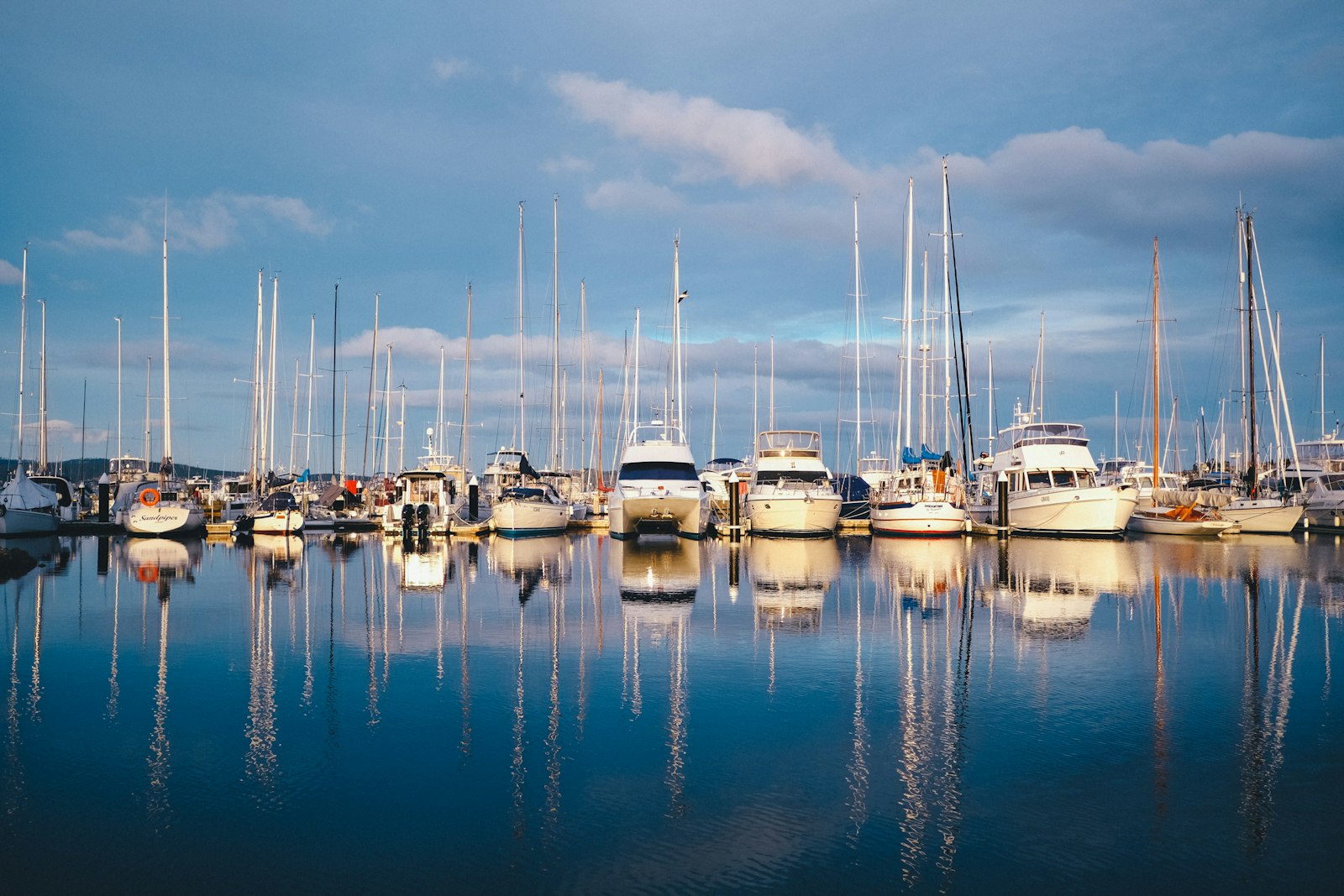
Maunalua Bay is the most reliable way into this community, and it is open to anyone who shows up.
The boat ramp and the shoreline park see traffic from before sunrise. One-man canoes going out flat water, paddleboards, small-boat fishermen, swimmers, and, when clubs are in season, the six-man canoes. The people doing this are not there once. They are there the same three mornings every week, and they notice who else keeps showing up.
The outrigger canoe clubs that launch from this side are the strongest version of it. A club is a season, a crew, a fixed practice schedule, and a group of people who have to know your name because you are in the same hull. Novice crews are a normal thing, and clubs generally take people who have never paddled. What varies is when they are recruiting — sprint regatta season and the long-distance season sit at different times of year, so ask the club directly what their calendar looks like. The outrigger canoe paddling on Oʻahu rundown explains what a first practice is actually like.
If a club is too much commitment, the bay is still the answer on a smaller scale. Check the forecast the night before — the National Weather Service Honolulu office posts wind and surf for this side — and go out on a weekday morning with somebody. Maunalua is shallow and wide and forgiving in normal conditions, which is why it is where people learn.
The stairs have regulars too
Koko Head is a shared ordeal, and shared ordeals make people talk.
The old railway ties up the side of the crater carry more East Honolulu residents in a week than any room on this side of the island. People do it before work, several times a week, year after year. There is a trestle section over a gap that most people cross on the side; treat it as a genuine fall hazard rather than a photo, because the ties are uneven and some of them are not sound. There is no shade to speak of, and the way down is harder on your knees than the way up. Go early, take more water than you think, and do not do your first one at eleven in the morning — this is a hot, exposed, high-effort climb and the heat is what actually hurts people. The trail has been closed for repair work before, so check it is open rather than driving out on a memory.
The social mechanics are simple: everyone on it is suffering at a similar rate, nobody is on their phone, and the people who do it regularly recognize each other. Two weeks of the same weekday slot and you will be nodding at the same faces. Four weeks and one of them will talk to you. If you want the more scenic version of the same habit, the sunrise hikes on Oʻahu list has gentler options on this side, and Kuliʻouʻou Ridge is close enough to be a weekend standard.
Pick one fixed weekly thing, or it quietly becomes nothing
Out here, a social life that depends on someone suggesting something never happens.
This is the honest note. In town, inertia still produces some accidental contact — you walk past people, you end up places. In East Honolulu, inertia produces an evening at home. Nothing is wrong, nobody is unfriendly, and a year goes by.
The fix is not more effort. It is one thing with a time attached that repeats without anyone having to organize it. Tuesday and Thursday mornings at the bay. Wednesday stairs. A Saturday paddle. A weekly pickup game at the district park. It does not have to be ambitious, and it has to be in your calendar rather than in your intentions, because the highway will win every negotiation you leave open.
The repetition is doing the real work. You cannot become a regular in one visit, and every friendship out here that started at the boat ramp started with somebody being there for the fourth time. That is the whole mechanism behind finding someone to do things with anywhere on this island — you go often enough to be recognized, and then it gets easy.
Six in the morning on a Wednesday is a lonely hour to organize from scratch, and nobody out here is going to knock. YKnot runs the other way round: a member who is already driving to the bay or the stairs posts it with a seat or two open, and other members ask for one. It is members-only, every account is ID-verified, the host says who is coming, and where exactly to stand goes out once that is settled.