
Things To Do
Surf buddies on Oahu: finding one, and reading a new lineup
Surfing looks solitary and isn't. How to find someone to paddle out with on Oahu, read an unfamiliar lineup, and keep a dawn patrol that actually holds.
By YKnot Admin · · 5 min read
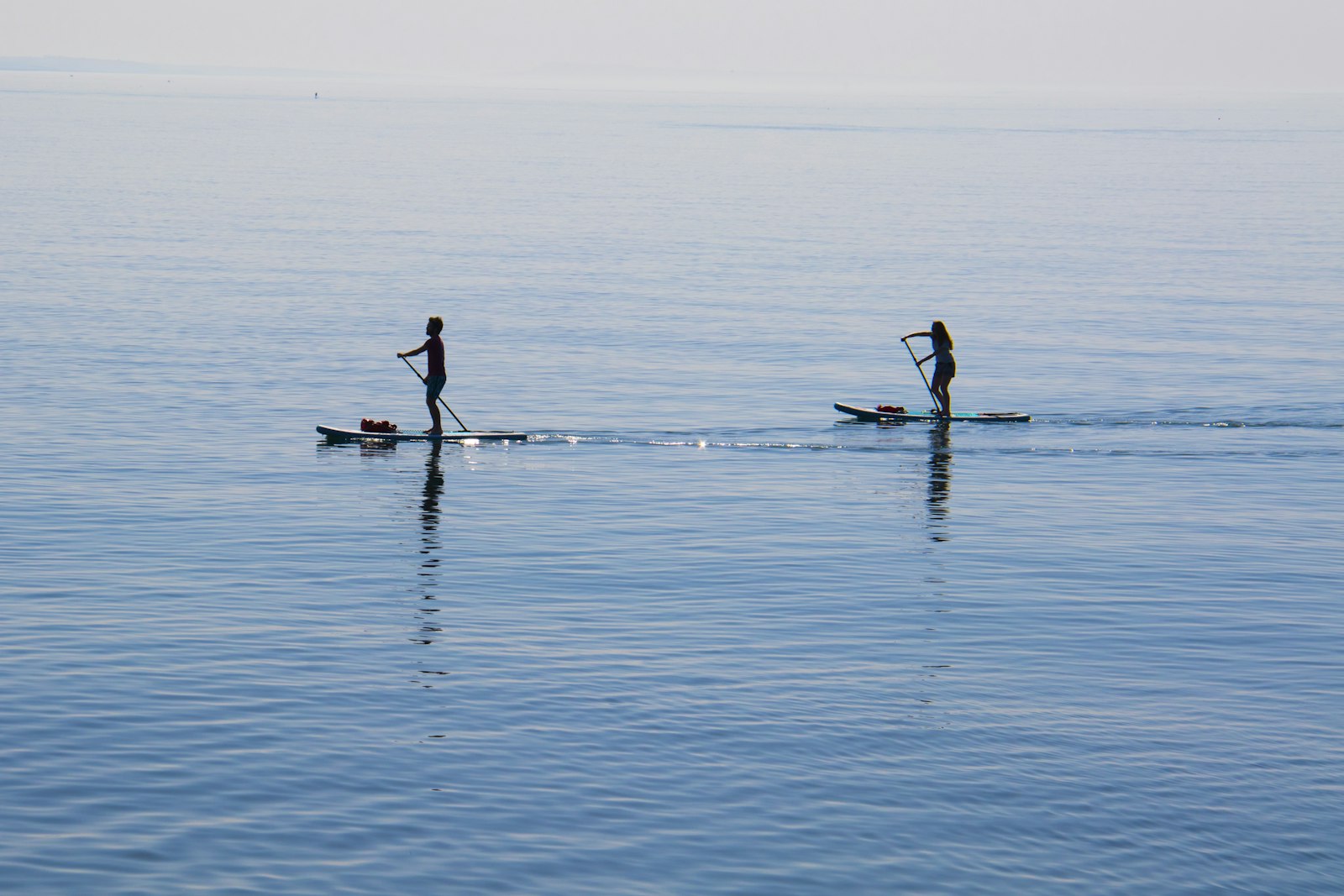
From the beach it looks like the most solitary thing anyone does here. One person, one board, a lot of sitting. Then you paddle out and find a room full of people with rules, a hierarchy, and opinions about where you're sitting. Which is why a surf buddy matters more than the board does.
That's the real reason to find someone to surf with, and it isn't safety-pamphlet reasoning. A lineup is a social space, and turning up to one alone without knowing the rules is how you end up having a bad time and blaming yourself for it.
The first few sessions at a new break go much better with someone beside you
Every spot has information that isn't visible from the sand. Where the channel is, so you can paddle out without crossing the impact zone. Where the takeoff sits on a given swell direction, which isn't always where the crowd happens to be. Which section closes out. Where the rocks are at low tide. Whether the rip pulling you sideways carries you back out or down the beach.
Someone who has surfed the spot twenty times gives you all of that in the first five minutes of the paddle out, instead of you learning it by getting worked.
They also give you the part that matters more: priority. The surfer closest to the peak has the wave. You don't drop in on them, you don't paddle for it once they're up, and you don't snake someone who's been waiting. Paddling back out, you go around through the channel and behind the person riding — if you get caught inside, paddle toward the whitewater, not toward the shoulder they're aiming for. You'll still get it wrong sometimes. Say sorry clearly and mean it. Most people let one honest mistake go. What they don't let go is the person who does it four times and pretends not to notice.
If you're picking a first spot at all, start with one built for it — the beginner breaks on Oʻahu are beginner breaks because the wave is forgiving and the crowd expects learners.
Localism, honestly
Some spots welcome you. Some are not yours. Both of those are true, and pretending otherwise is how people get in trouble.
The town breaks off Waikīkī — Canoes, Pops, Queens — are the most mixed water on the island. Visitors, kids on foam boards, uncles who've surfed there for fifty years, all in one lineup. Nobody's going to be territorial with you there as long as you're not dangerous. White Plains out toward ʻEwa absorbs learners well too, though access and parking have conditions worth checking before you commit to the drive.
Then there are the breaks where the same families have surfed for generations, on the West Side and out in the country, and the North Shore in winter, which is not a learning environment under any circumstances. The honest version isn't "those places are closed to you" — it's that they're not yours yet, and the way in is time, humility, and usually someone who already belongs there having you with them.
What actually earns you room anywhere: park considerately, don't be loud in the lot, sit wider than you think you should on the first session, let waves go, don't paddle straight to the peak on arrival, and say hi to the person next to you. Take fewer waves than you want on day one and you'll be welcome on day two.
A surf buddy three levels above you is a supervisor
A surf partner three levels above you isn't a partner, they're a supervisor, and they'll get bored. They sit outside on the good peak, you sit inside on the reform, you barely interact and both paddle in slightly disappointed.
The better match is someone roughly where you are, plus occasional sessions with someone better who has actually agreed to help. Those are different arrangements — name which one you're asking for. "I'm still catching mostly whitewater, I want someone to go with, not a coach" is a fine thing to say. So is "I'd love to follow you out somewhere new and watch where you sit."
Board type is the fastest shorthand for level: a 9' soft-top and a 6'0" shortboard want different days and different spots. A partner on a similar board means you're checking the same forecast for the same reasons.
The dawn patrol is the most reliable standing plan there is
The hardest part of surfing before work is not the surfing. It's the alarm at 5:15 when it's dark and the bed is right there.
Alone, you roll over. With someone, you go. A text that says "leaving in 20" is the most effective accountability device on this island, and it works both ways — half the mornings you drag them, half the mornings they drag you. Neither of you would have gone alone and both of you are in the water by 6.
That's also what makes a dawn patrol partner different from a friend you occasionally see. It's recurring, low-negotiation, and it ends at a fixed hour, which does more for a new friendship than any amount of good intentions — the same reason paddling with a canoe club works on people who haven't made a new friend in five years. You're just going, and the friendship happens in the car and the parking lot afterward.
The ask that gets you there is small. You're not asking someone to be your friend. You're asking if they're going Thursday, and whether there's room in the car. The ordinary care you'd take meeting anyone new still applies on a dark morning in an empty lot — first time, drive yourself and meet at the beach.
Making that ask small is the whole of what YKnot does. A member posts the session they're going to anyway — a dawn patrol, a longboard morning somewhere mellow — with a space beside them, and you ask to come. They decide. Everyone has cleared ID verification, and the meeting spot arrives with the yes, so you're not paddling out behind somebody you've never met.
See what's happening on Oahu →
Cover photo by Nick Fewings on Unsplash.