
Living in Waianae when you didn't grow up on the coast
Living in Waianae when you didn't grow up here: the one road, the beach parks, the canoe clubs, and why out here you get introduced, not arrive.
By YKnot Admin · · 7 min read
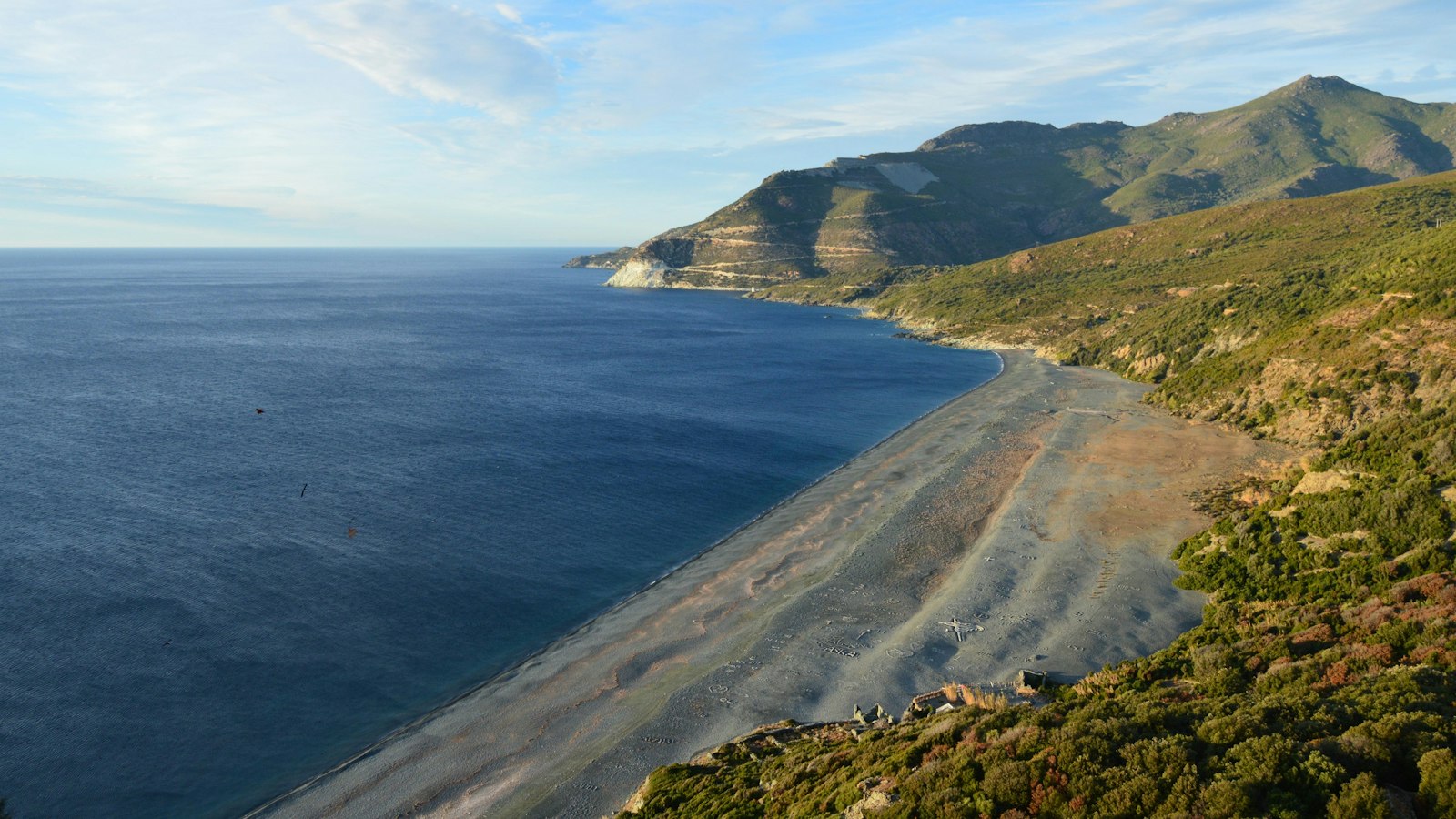
You moved west because the numbers worked. A place in Nānākuli or Māʻili costs what town costs minus the part you could never cover, and the price of that was an hour of Farrington Highway in the dark each morning and another one home. Eighteen months later the housing math still works and the social math does not. You know your street. You do not know one person on it.
That is ordinary out here, and it is not a failure of aloha, yours or anyone's. The Waiʻanae Coast is one of the warmest places on this island and one of the hardest to enter as a stranger, and both of those are true for the same reason: nearly everybody here is related to somebody else here.
Fifty-odd thousand people live along this coast, a large share of them in the same four communities their grandparents did, on homestead land in some cases. That produces what outsiders correctly sense — a place genuinely tight, genuinely generous, and genuinely full.
One road writes your week before you do
The coast is a line, not a grid. Farrington Highway runs up from the Kahe power plant through Nānākuli, Māʻili, Waiʻanae town and Mākaha, thins past Keaʻau and Mākua, and then simply ends. The highway does not go around. Mauka of it sit the valleys: Lualualei, Waiʻanae Valley, Mākaha Valley.
One road in, one road out, and everything about your social life follows from that. A crash at Nānākuli at seven in the morning does not delay the coast, it closes it. A second access route has been promised across more than one administration; treat its current state as a question, not a fact.
So the commute is not a discipline problem. A seven o'clock invitation in Kakaʻako costs three hours and most of an evening, and after twice you stop accepting. Kapolei and ʻEwa residents hit the same wall from thirty minutes closer in and reach the same conclusion: the friends you keep live inside fifteen minutes of you.
Plan weeknights west of Kahe and give town the weekends, deliberately, for something specific enough to justify the drive. TheBus runs the coast into Honolulu, but check routes and evening frequency before counting on a late ride back.
The beach park is the living room
Town treats the beach as a destination. Out here it is municipal infrastructure — where birthdays happen, where teams train, where people sit on a Tuesday because the house is full.
Pōkaʻi Bay is the anchor. The breakwater makes it the one stretch that stays flat most of the year, which is why it is the family beach, the swimming beach and the canoe beach at once — and why, if you become a regular anywhere out here, it will probably be there. Mākaha is the hangout: in summer a warm shorebreak and a lawn full of people who have known each other forty years, in winter a serious point wave that is not yours unless somebody has taken you out there. Respect for that distinction is read instantly and remembered.
The coast belongs to residents before nine and after four; midday is the hour of rental cars driving through and back out. Kahe Point and the Tracks stretch beside it is where this side learns to stand up, and the one place out here where a beginner is in nobody's way — the beginner surf spots breakdown says what a first session asks of you.
The pillbox climb on Puʻu o Hulu above Māʻili is short enough to do after work, which is the only thing about it that matters here. Midday up there is visitors now; the hour after work is not. Go then, twice a week for a month, and you start passing the same eight people. The mechanism is repetition at a fixed hour, not the place.
The front doors are the clubs, the fields and the farms
If you want a way in, stop looking for bars and look at organizations with jobs to be done.
Outrigger canoe clubs are the strongest one here. Waiʻanae Canoe Club and Mākaha Canoe Club both run crews on this coast and Leeward Kai sits at the Nānākuli end; the racing calendar puts whole families on the sand all day for a season each year — kids' crews, novice adults, masters, somebody's uncle rigging, somebody's aunty running food. That is the point: you get absorbed into a family-shaped organization and handed something to carry. Intake moves, so ask a club directly; how paddling works on Oʻahu covers the rest.
Friday night high school football at Waiʻanae and Nānākuli is the other. The stands are a cross-section of the whole coast — loud, multigenerational, open to anyone who buys a ticket and keeps sitting in the same seat.
The valley farms take volunteers. MAʻO Organic Farms and Kahumana in Lualualei both run community programs of some form; what is running this year is a question for MAʻO and Kahumana directly. A morning of weeding beside somebody beats a dozen introductions.
Then the unglamorous ones. The district parks at Waiʻanae and Nānākuli run adult leagues, and the pickup scene out here has a fixed cast that absorbs a regular inside a month. The neighborhood boards — Waiʻanae Coast is No. 24, Nānākuli–Māʻili is No. 36 — are dull monthly rooms with very high yield, because the people who actually run things locally are all in them, by name.
And the ordinary places. Tamura's in Waiʻanae is where half the coast passes through in a week, and the mall lot beside it is where people stand around afterward. Hannara and the poke counters are where the same faces eat. Kahumana's café in Lualualei is the one room out here where a newcomer and a lifer are both normal. None of that is a plan — it is how you become recognizable, which has to happen first.
The coast gets written about badly, and you will have to not do that
Here is the part nobody says to your face. This coast appears in news coverage mostly as a problem being described — the encampments near the harbor, the statistics, the aerial shot. People who live here read that and know exactly what it sounds like.
So the fastest way to stay a stranger for a decade is to arrive with a project, an opinion, or the performative bravery of someone who thinks they moved somewhere daring. Nobody here thinks that. They live at home, and they are right.
What works is boring and specific to here: pick one beach park and go back to it instead of sampling six, learn which valley somebody is from and remember it, be useful before you try to be interesting, and do not photograph anybody's neighborhood like it is scenery.
On this coast you get introduced — you don't arrive
In town you can assemble a social life out of strangers: same café, same hour, four weeks, and a face becomes a name. That works in Kaimukī. It works less well here, because the unit of social life on this coast is the family, not the individual, and the currency is vouching.
One person saying this is my friend does more in four seconds than six months of being politely around. That is why the clubs, the boards and the farm mornings carry more weight out here than they would anywhere else on the island: they are not activities, they are where a voucher is already standing.
So the task is not to be liked by fifty people. It is to be properly known by one — the coach at the district park, the aunty running the food table at a regatta, the guy who sets out the cones. Take the small job when it is offered. Bring food to a Pōkaʻi Bay weekend after you are told not to. Come back the next week without being asked.
Then do the half most newcomers skip: be the one who puts something on the calendar and leaves a seat open. There are more new people out here than anyone admits — families priced out of town, landing in Māʻili rentals and the Mākaha condos, driving the same dark hour of Farrington you drive, all assuming everybody else already has plans.
YKnot is built for exactly that gap: people here post plans they're already going to — a hike, a dinner, a paddle — with a spare seat, and you ask to join. It's members-only and everyone's ID-verified, so you know who you're connecting with.