
Things To Do
Beginner Surf Spots on Oahu: Where to Start
The friendliest beginner surf spots on Oahu, from Waikiki's Canoes and Queens to White Plains, plus etiquette and how to find a surf buddy.
By YKnot · · 5 min read
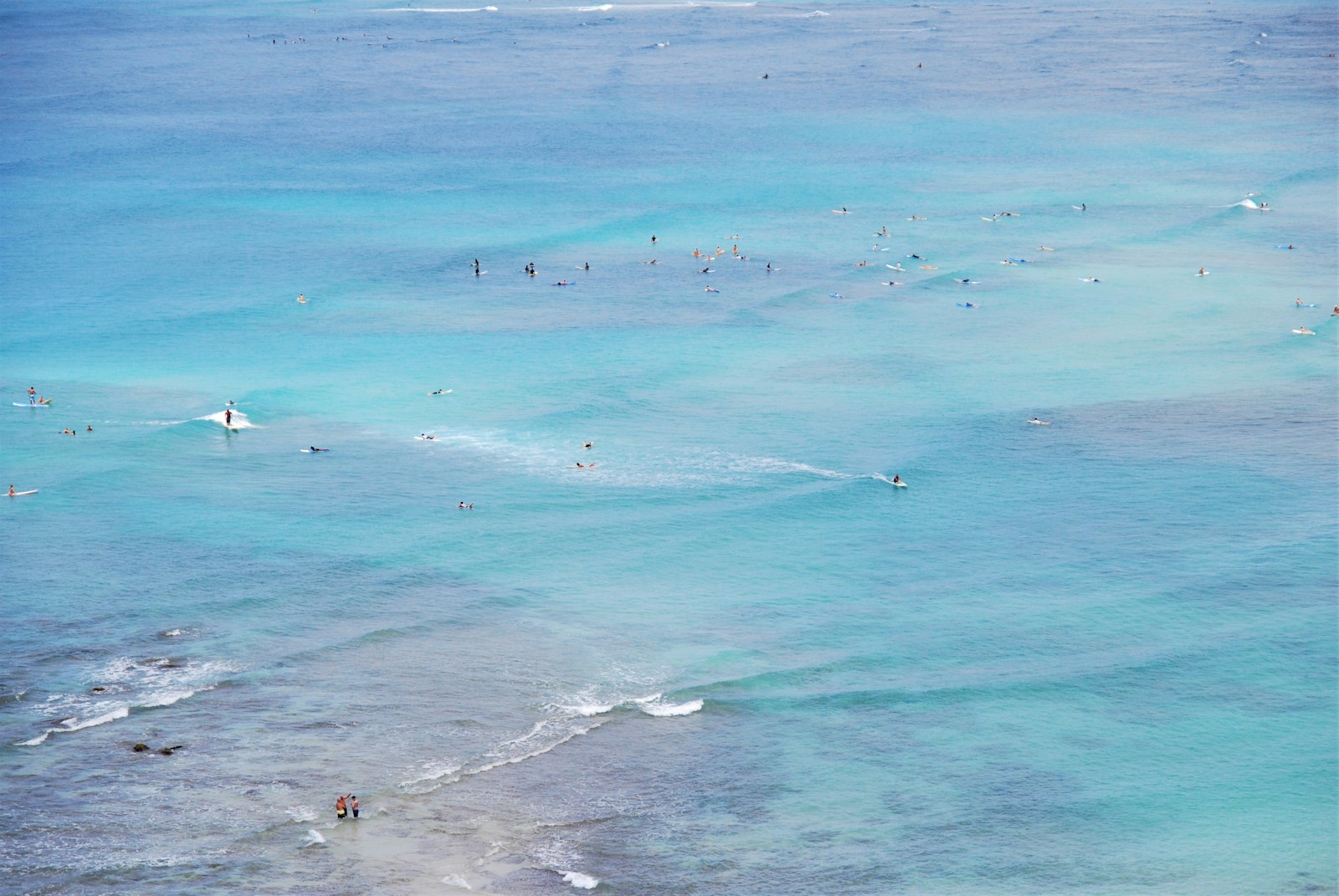
Learning to surf here is a gift and a responsibility. The waves are forgiving in the right places and genuinely dangerous in the wrong ones, and the difference is often the same beach in a different season. The good news is that the best beginner surf spots on Oahu are also some of the most beautiful water on the island.
Here's where to start, where to wait, and how to not be the person everyone in the lineup is annoyed at.
Choosing beginner surf spots on Oahu
You want three things: a forgiving bottom, waves that roll rather than dump, and lifeguards. Everything below has at least two.
Season matters more than anything. South-facing breaks are best in summer, and in winter the North Shore is not a learning environment at all.
Canoes and Queens, Waikīkī
This is where nearly everyone on Oʻahu learned. Canoes and Queens sit right off the main stretch of Waikīkī Beach, and the waves there are long, slow, and shoulder-high on a normal day.
The tradeoff is people. It's crowded, always. Keep your head up and your board under control.
You can rent a longboard from one of the beach stands right on the sand, which means no roof rack and no hauling. Ask them which spot to paddle to that day.
Pops (Populars), Waikīkī
Pops is the next break out from Canoes, and it's the natural step up once you can catch waves on your own. It's a longer paddle, the wave is bigger and cleaner, and the crowd thins out.
Go there when the paddle back in doesn't scare you, not on day one.
White Plains Beach, west side
White Plains is on the ʻEwa side at Kalaeloa, on the former Barbers Point base. It's military-managed and open to the public, and it's worth the drive.
The waves come in multiple mellow peaks along a long sandy beach, so there's room to spread out instead of fighting for one takeoff spot. Lifeguards, showers, and shade. It's a great second or third session.
Chun's Reef, North Shore — summer only
In summer, when the North Shore goes flat and glassy, Chun's Reef near Haleʻiwa is a gentle, playful longboard wave and a lovely place to learn.
In winter it is not. From about October through March the North Shore gets serious swell, and Chun's becomes an expert-only reef break with real consequences. Be very clear with yourself about the calendar. If you're not sure which season the ocean thinks it is, ask a lifeguard before you paddle out.
Diamond Head Cliffs — for later
The Cliffs, off the Diamond Head shoreline, is a fun intermediate wave, but it's reef, it's windy, and the entry over the rocks takes local knowledge. Save it for after a season of consistent sessions.
Ala Moana Bowls — not yet
Bowls looks perfect from the shore, and that's the trap. It's a fast, shallow reef break with a tight, protective lineup of very good surfers, and dropping in as a beginner puts you and other people in danger.
Watch it from Magic Island instead. Don't paddle out until someone who surfs it regularly says you're ready.
Surf etiquette
- Don't drop in. The surfer closest to the breaking peak has the wave. If someone's already up and riding, it's theirs.
- Paddle wide. Go around the break, not through the lineup. Never ditch your board when someone is behind you.
- Wait your turn. Sit on the shoulder and take the leftovers until people know your face.
- Respect locals. This is their home water, often for generations. Say hi, be humble, don't be loud, don't bring a crowd.
- Know your limits. If the surf is bigger than you've handled before, sit it out and watch. Every good surfer here has done that.
A few tips
- Start with a soft-top longboard. More float, more waves, less chance of hurting anyone.
- Take one lesson from a licensed beach stand before you go on your own. It saves you a month.
- Reef-safe mineral sunscreen, plus a rash guard so you're not reapplying every hour.
- Check the surf report and the season before you commit to a break.
- Never surf alone as a beginner. Go where there's a lifeguard tower with a flag flying.
How to find a surf buddy
Three things work. First, dawn patrol the same break on the same days — surf Canoes every Tuesday and Thursday for a month and you'll know faces. Second, book a lesson at a licensed beach stand and stay in touch with your group.
Third, just ask. On YKnot you can open a line for a session you're already planning — "dawn patrol at Canoes, 6 a.m., two spots, I have a spare board" — and nearby verified members ask to come along. You see who they are before you say yes.
Keep reading
More early mornings? Try the best sunrise hikes on Oʻahu. For no-cost beach days, see free things to do on Oʻahu, and if you just landed here, how to make friends in Honolulu is the place to start.
Make it a plan
Surfing is the easiest way to build a routine with people in Honolulu — same water, same hour, better shared. Open a line for your next session, or ask to join someone else's — YKnot members are ID-verified, so you know who's paddling out with you. Once the host says yes, chat opens and you sort parking and boards.
See you out there. 🏄