
Things To Do
Kayaking to the Mokuluas Without Getting In Over Your Head
Kayaking to the Mokuluas is an open-ocean crossing, not a beach paddle. What the trip actually asks of you, and why you never go out alone.
By YKnot Admin · · 5 min read
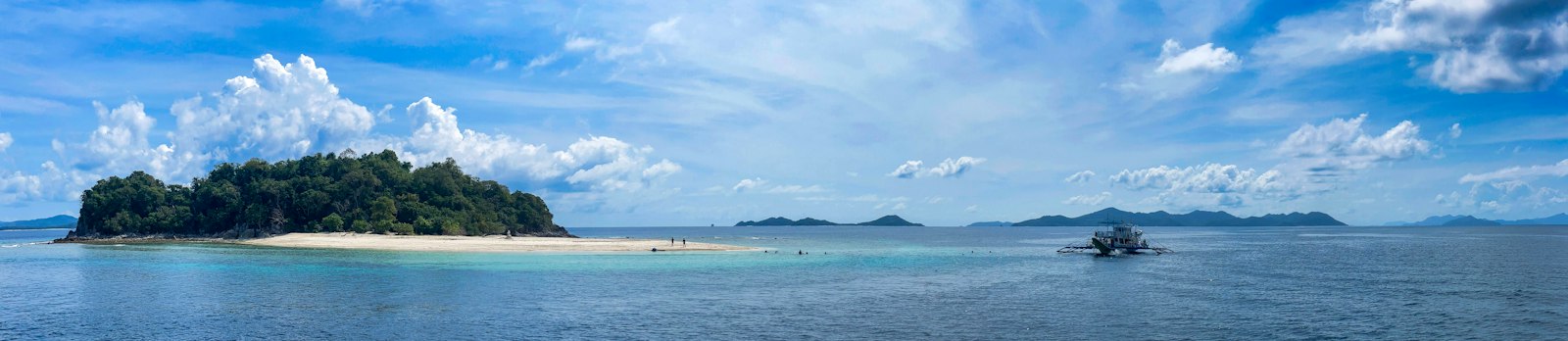
Kayaking to the Mokuluas is the Oʻahu plan that looks easiest from the sand and asks the most of you once you are past the reef. If you have been here a few months, someone has already floated the idea of kayaking to the Mokuluas, because the two islands off Kaʻōhao — the neighborhood everyone calls Lanikai — sit right there, close enough to touch. They are not: that water is open ocean, with wind, swell and current in it. The honest version of the trip starts with what can go wrong.
The Way Out Is the Easy Half
The wind that pushes you toward the islands is the same wind you have to paddle into on the way home.
For most of the year the trades come out of the northeast, so the crossing begins with wind and chop behind you. The boat feels fast, you cover ground without thinking, and you arrive with fresh arms, sure the warnings were overblown.
Then you turn around. The wind is in your face, chop stacks on the bow, the kayak swings sideways, and every stroke you skip costs you ground. This is where people get tired, in the worst place to do it — out in the middle, with nothing to hold onto. Reaching the islands is not the halfway point of the effort. If you land feeling worked, rest before pushing off.
Conditions Decide, and Sometimes the Answer Is No
Check the marine forecast before you commit, and be genuinely willing to not go — the most important sentence in this post.
The National Weather Service forecast office in Honolulu publishes marine forecasts, surf and small craft advisories for these waters at weather.gov/hfo. Read them the morning you paddle, not the week before. You cannot read the channel from the beach: the launch is sheltered, so the water at your feet is not the water you will be in twenty minutes later.
Build a group culture where calling it off is normal. The friends who look at the whitecaps, say "not today," and go get breakfast are the ones you want in the other boat.
One Island You Can Land On, One You Stay Off
Both islets are a state seabird sanctuary; Moku Iki is off-limits entirely, and on Moku Nui you stay down on the beach.
Moku Nui, the larger island, has a small sandy landing on its leeward side. Getting a loaded kayak through the shorebreak onto that sand is a skill of its own, and boats get flipped at the end of an otherwise clean crossing. Once ashore, you stay below the high-water mark. The interior is closed, overnight use is not allowed, and the exact terms are the state's to set — read them before you go.
Moku Iki you do not go ashore on at all. Shearwaters nest in burrows dug into the soil, so one casual footstep collapses a nest you never saw. The exposed side of Moku Nui earns the same respect for a different reason: waves wash across those rocks without warning, and people have been hurt.
The Hawaiʻi Department of Land and Natural Resources manages the sanctuary and can close the islets temporarily — a monk seal pup on that beach has done it before. Check the current status with them rather than trusting what someone told you a few seasons ago.
Permits, Gear and Launch Rules Change, So Check
Assume there are rules about launching, landing and guided trips, and verify the current ones before you load the car.
The state and the county both have a hand in how kayaks are launched and stored around Kailua, and those rules have changed over the years. Commercial operators carry permits a private paddler does not. Check what applies to you.
Gear is not the place to improvise: a life jacket you are actually wearing, water, a way to call for help that stays dry, and a boat you know how to climb back into in deep water. Practicing that re-entry in flat water is the most useful hour you can spend.
Do not make kayaking to the Mokuluas your first day in a kayak. If your paddling so far has been stand-up paddleboarding in flat water, get more boat time first — an outrigger canoe club teaches you more about reading conditions in a month than a year of flatwater.
The Wildlife Has the Right of Way
Monk seals and honu use these beaches, and there are viewing distances you keep from both.
If a monk seal is hauled out on the sand you planned to land on, that sand is spoken for. Back off — another approach, or another day. Same with turtles on the beach or in the water near your boat: you do not follow, touch, feed, or paddle in for a closer look.
Harassing either is a federal and state crime. NOAA Fisheries publishes the viewing distances you keep; learn them before you go, not from the boat.
A Plan That Genuinely Needs a Second Person
Kayaking to the Mokuluas alone is not a thing you do, and that requirement is what makes it worth sharing.
Two boats means somebody notices when you stop moving, a spare paddle exists, and if one kayak swamps there is another hull to hold onto. Tell someone on shore where you are going and when you expect to be back, and mean the time.
Plenty of things here are better with company; this one requires it. Put the plan up on YKnot — there are people in Kailua and Kāneʻohe who have made this crossing many times and would rather go with you than watch a stranger get it wrong.
Start with the forecast habit. Pull it up on a morning you have nothing planned, then go see what those numbers look like on the water. Do that a few times and you will know a go day from a no.
Cover photo by Bernd 📷 Dittrich on Unsplash.