
Things To Do
Judo in Honolulu and muay thai: what the first night actually looks like
What a first night of judo in Honolulu is really like, plus muay thai: learning to fall, formal mat etiquette, and how both differ from jiu jitsu.
By YKnot Admin · · 5 min read
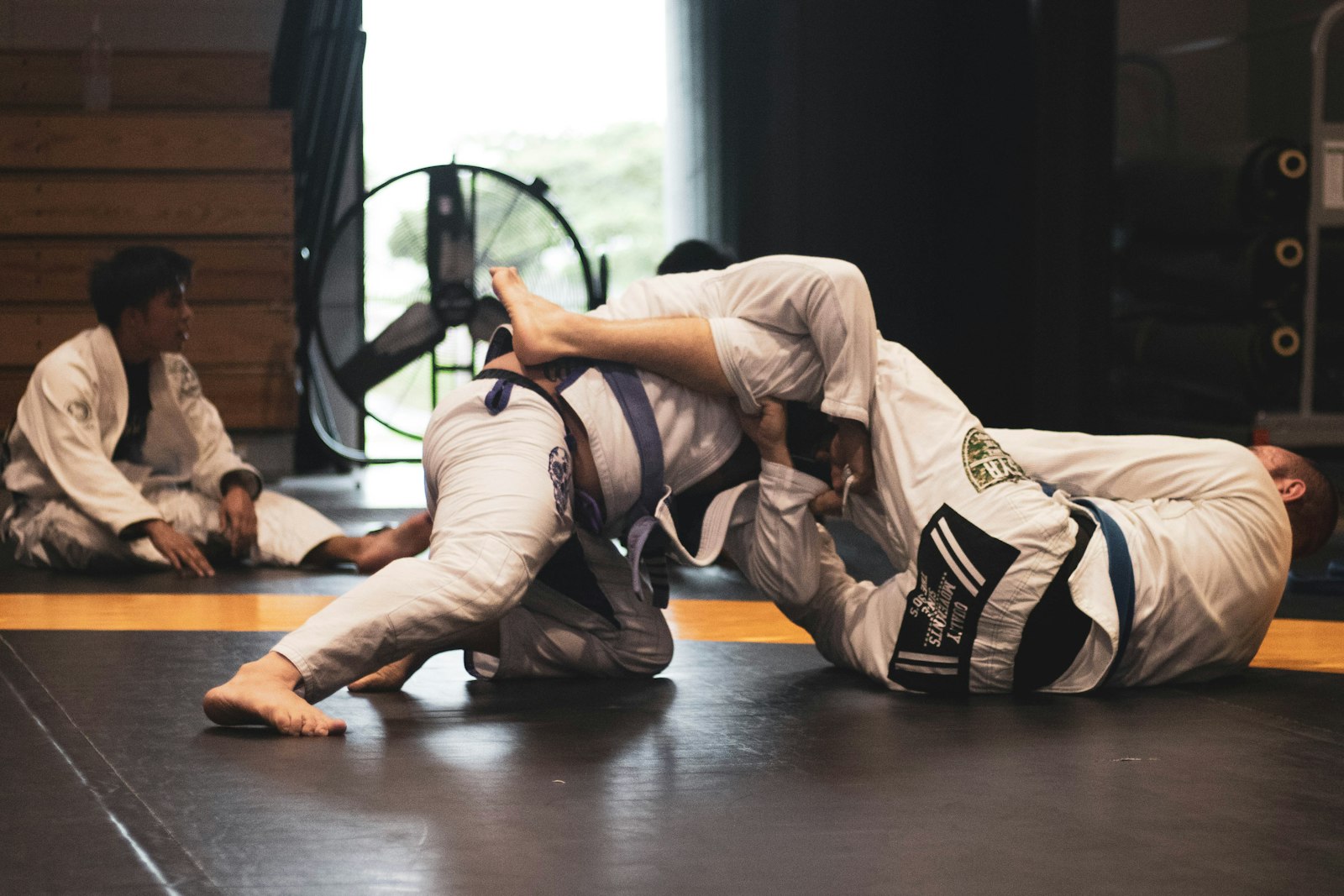
Judo in Honolulu has roots going back more than a century, and it is one of the most community-rooted martial arts on the island. Most people looking at judo in Honolulu picture something like jiu jitsu with a jacket, then turn up and find a much more formal room where the first hour is spent hitting the mat on purpose. Muay thai runs the other direction: no jacket, no ground, and conditioning that humbles you in ten minutes. Two rooms, two different first nights.
Judo teaches you to fall before it teaches you anything else
You will be thrown on day one, and learning to land is literally the first skill on the syllabus.
Ukemi — breakfalls — comes before any throw. You slap the mat, roll backward over a shoulder, go down sideways and learn that the floor is survivable. It seems a strange way to spend an hour until someone throws you and you land fine.
Judo leaves your back and ribs faintly bruised and your forearms dead from gripping a jacket, a different soreness from ground grappling.
If you have read the first-class rundown for jiu jitsu, the difference is where the fight lives. Jiu jitsu spends most of its time on the mat working toward submissions. Judo spends it upright, gripping, breaking a stranger's balance, and can end the exchange outright when a throw lands cleanly.
The etiquette is formal, and a newcomer should expect that
You bow, you wait, you follow seniority, and none of it is decoration.
You bow entering and leaving the mat, and to your partner before and after practice. You line up by rank. When the instructor speaks, everyone stops, black belts included. Bare feet, short nails, clean gi, no jewelry. If you are unsure, watch the person next to you and copy them a half-second late.
Much of this comes from the Japanese immigrant families who brought judo to these islands in the early 1900s, and some clubs still run in that lineage. Treat it as someone's inheritance, not a quirk. The respectful route is to arrive early, say you are new, and let the club show you its own way rather than assuming what you read online applies. Tell the instructor about a bad knee before practice, not after a throw goes badly.
Judo here lives in community rooms, not storefronts
A lot of judo in Honolulu runs through park programs, community centers and school athletics rather than through gyms, and the room reflects that.
Much of it is taught by volunteers who have been standing on the same mat for decades. Judo is also sanctioned as a high school sport in Hawaiʻi, with its own state championship — unusual on the mainland, and part of why so many adults here first trained as teenagers.
Some programs will lend a beginner a gi while you work out whether you are staying. Treat none of it as a guarantee, and check before you go — programs shift from season to season.
It also means the room is mixed in a way a commercial gym rarely is. Kids warm up beside teenagers. Someone's grandfather corrects your grip. A few adults started at forty and are still there. That mix is part of why people stay, and it is one of the better rooms on the island for building a social life that does not run through bars.
Muay thai is shins, clinch, and conditioning you do not have yet
Muay thai adds knees, elbows and the clinch to what a boxing room teaches, and the early conditioning is brutal.
You kick with the shin, not the foot, which sounds alarming and is mostly a matter of getting used to it. The clinch — controlling a partner's head and posture at close range while kneeing — surprises people: it is grappling inside a striking art, and it is exhausting.
The same split the boxing first-class guide describes applies here. One room is a fitness class built from kickboxing shapes where nobody touches you; the other is a fight gym with pad work, partner drills and eventual sparring. The sign will not tell you which, so ask whether there is contact in the beginner session.
Expect to be worse at the timer than at the technique. Bring shorts, a shirt, water and a towel; hand wraps are the one thing worth owning early.
Showing up repeatedly is the whole relationship
A martial arts room is one of the few places in this city where turning up is the friendship, and nobody expects conversation.
Most people who stay with judo in Honolulu did not talk their way in. You come the same nights, bow in, get thrown or hold pads, and after a month somebody knows your name and asks where you were when you miss a week.
Common ground across both arts is short: do what the coach says, and never go hard against someone being careful with you. That last one is the whole social contract.
Injury is real, and sparring should be a choice
Decide when you start taking contact instead of letting it happen to you by accident.
Ask how often beginners spar, how hard, and who decides; a good coach answers plainly and starts you light, or says the beginner class has none. In judo, ask when randori begins and who you will be paired with. In muay thai, ask whether beginner sparring is technical and whether head contact is on the table. Nobody worth training with springs contact on a beginner who asked.
Read what a sprain, a strain and a concussion actually are from MedlinePlus rather than a forum, and sit out when something is wrong. Then pick one room within a reasonable drive, text somebody who might come with you, or put the plan up on YKnot and let a nearby member take the spare seat.
Cover photo by Samuel Castro on Unsplash.