
Things To Do
Boxing gyms in Honolulu: what your first class is actually like
What to expect at boxing gyms in Honolulu as a beginner: fitness class or real gym, your first hour, what to bring, etiquette, and sparring.
By YKnot Admin · · 5 min read
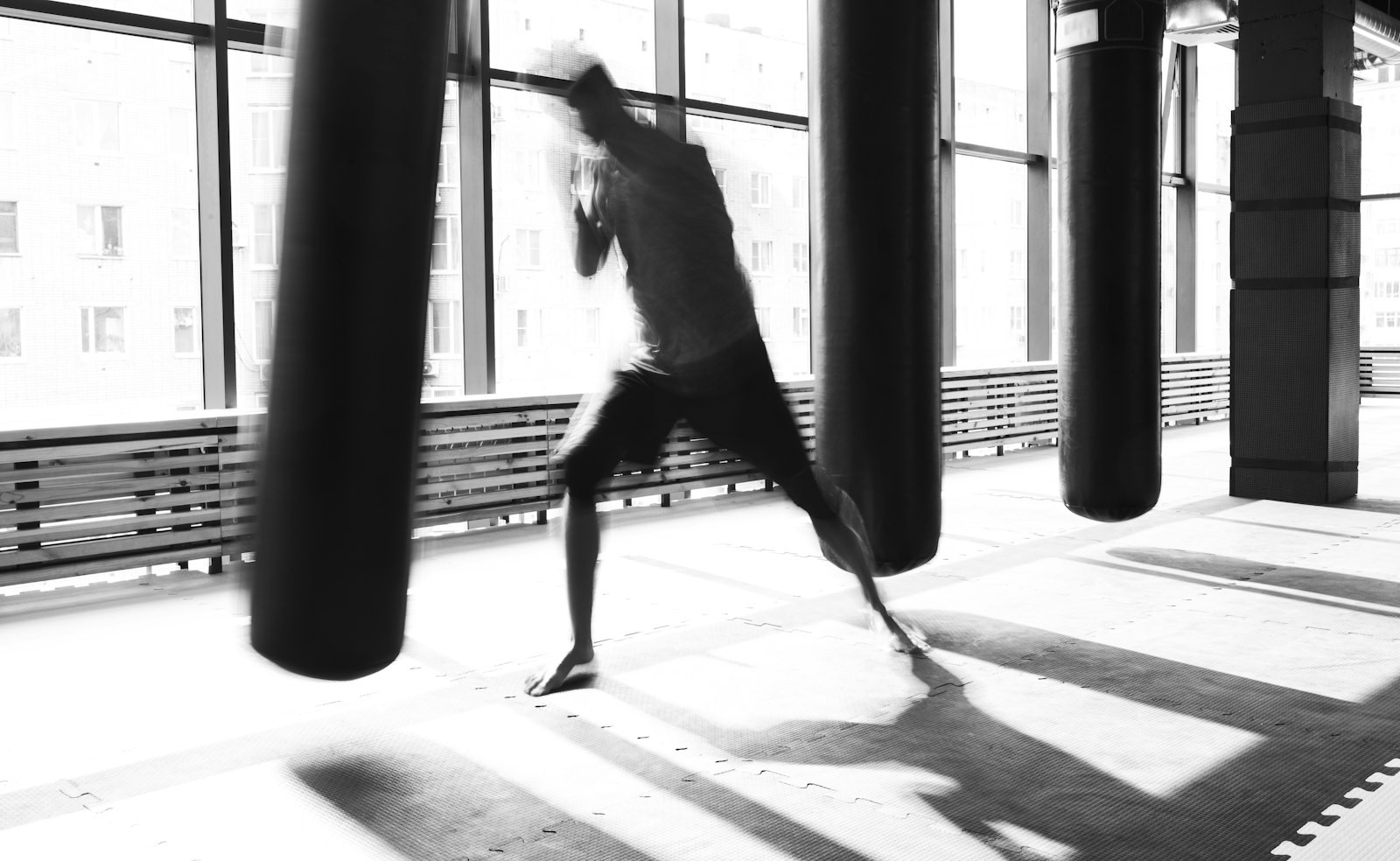
You have probably gone looking for boxing gyms in Honolulu at eleven at night, gotten as far as a schedule page, and closed the tab. What stops most people is not conditioning. It is not knowing what happens in the first ten minutes, or whether somebody is going to hit you. Both are answerable before you go, and here is what a first session looks like, and how to tell which kind of room you are walking into.
One word is selling you two completely different experiences
Before you go anywhere, find out whether you booked a fitness class where nobody hits you or a boxing gym where eventually somebody will.
The first kind is boxing-shaped conditioning: you hit a bag, a timer runs rounds, a coach calls combinations, and nobody touches you. The second is a boxing gym, where you learn a stance you will hate for two weeks, throw one punch a thousand times, and eventually have a conversation about sparring.
Both kinds live among the boxing gyms in Honolulu, sometimes in the same building, under names that do not distinguish them. Walking into the second when you wanted the first is a common reason people never come back. So ask before you show up: is there contact in the beginner class? Anyone worth training with answers in one sentence.
If grappling is more your speed, the first-class rundown for jiu-jitsu covers those beginner questions. In grappling, a bad first day means being uncomfortable. In striking, it means being surprised.
Your first hour is wraps, a bag, and running out of air
Ten minutes in you will be more tired than you have been in years, and that is the expected result.
Someone hands you wraps, and you wrap badly while watching the person beside you do it correctly. Then footwork: you shuffle across a floor without punching anything, feeling ridiculous, for longer than seems reasonable. Everyone feels that. It passes.
Then the jab, maybe the jab and the cross. That is often the whole technical content of a first session. On the bag you find out that three minutes is an absurdly long time, and that hitting something hard is disproportionately satisfying. Most rooms here run on box fans and an open roll-up door, so plan for the humidity: by round three you are sliding in your own sweat. The next day your forearms and the sides of your ribs hurt, which nobody warns you about.
Bring almost nothing, and expect to borrow gloves at first
Your own hand wraps are the only thing worth buying before you know whether you are staying.
Shoes you can pivot in, not a thick cushioned running sole. Shorts or leggings, a shirt, water, a towel. That is the list. Plenty of boxing gyms in Honolulu keep loaner gloves for new people, sweated in by strangers, which is reason enough to get your own once you stay. A mouthguard only matters once contact enters the picture.
Buy two pairs when you do, because nothing dries overnight here. Confirm the loaner situation before you drive over, and check the beginner session is running that week, since schedules shift.
The etiquette is short and mostly about not being a problem
Turn up early, say out loud that you are new, and do exactly what the coach asks even when it seems pointless.
Arriving early gives you time to wrap without holding up the warmup. Telling the coach you are new gets you paired with someone patient instead of someone who assumes you know what a slip is.
The rule that matters most comes up in partner work. If somebody is going light with you, going hard back is the fastest way to become the person nobody wants to drill with. Matching your partner instead of beating them is the whole skill.
Showing up repeatedly is the whole relationship
A gym is one of the few rooms in this city where nobody expects you to make conversation and you still end up with people.
You do not have to be interesting or have a story ready. You show up on the same nights, suffer through the same rounds, and a few weeks in somebody nods at you. A month later somebody holds pads for you and asks what you do for work while you catch your breath.
That is a slower way into a friendship than a dinner party, and a steadier one, which is why it suits people done with bars who are building a social life without drinking. If a membership feels like too much, the same thing happens at drop-in classes around town. Pick a gym you can reach on a weekday evening. Traffic ends more memberships than soreness does, and a gym across Oʻahu is one you quit by week three.
Sparring is a line you choose to cross
No decent gym throws a beginner into sparring, and the head-injury question deserves a straight answer first.
At serious boxing gyms in Honolulu, sparring arrives months in, by invitation, and a good coach explains the difference between light technical sparring and hard sparring unprompted. A coach who cannot explain that difference has told you something useful.
Boxing is a contact sport, and repeated impact to the head is a real concern, not an internet rumor. Ask a coach how often beginners spar and how hard, and read what a concussion actually is from the U.S. National Library of Medicine instead of a forum. Plenty of people train for years, get fit, learn real skill, and never spar once.
The thing most likely to get you through the door is going with somebody. Text one person and pick a night, or put the plan up on YKnot and let a nearby member take the spare seat. Then wrap your hands and expect to be out of air in ten minutes.
Cover photo by Maxim Kostenko on Unsplash.