
New in Hawaii
Meeting people in Honolulu without drinking
Honolulu is full of things to do sober. The hard part is that the default adult invitation is a drink. Here's what to do instead.
By YKnot Admin · · 5 min read
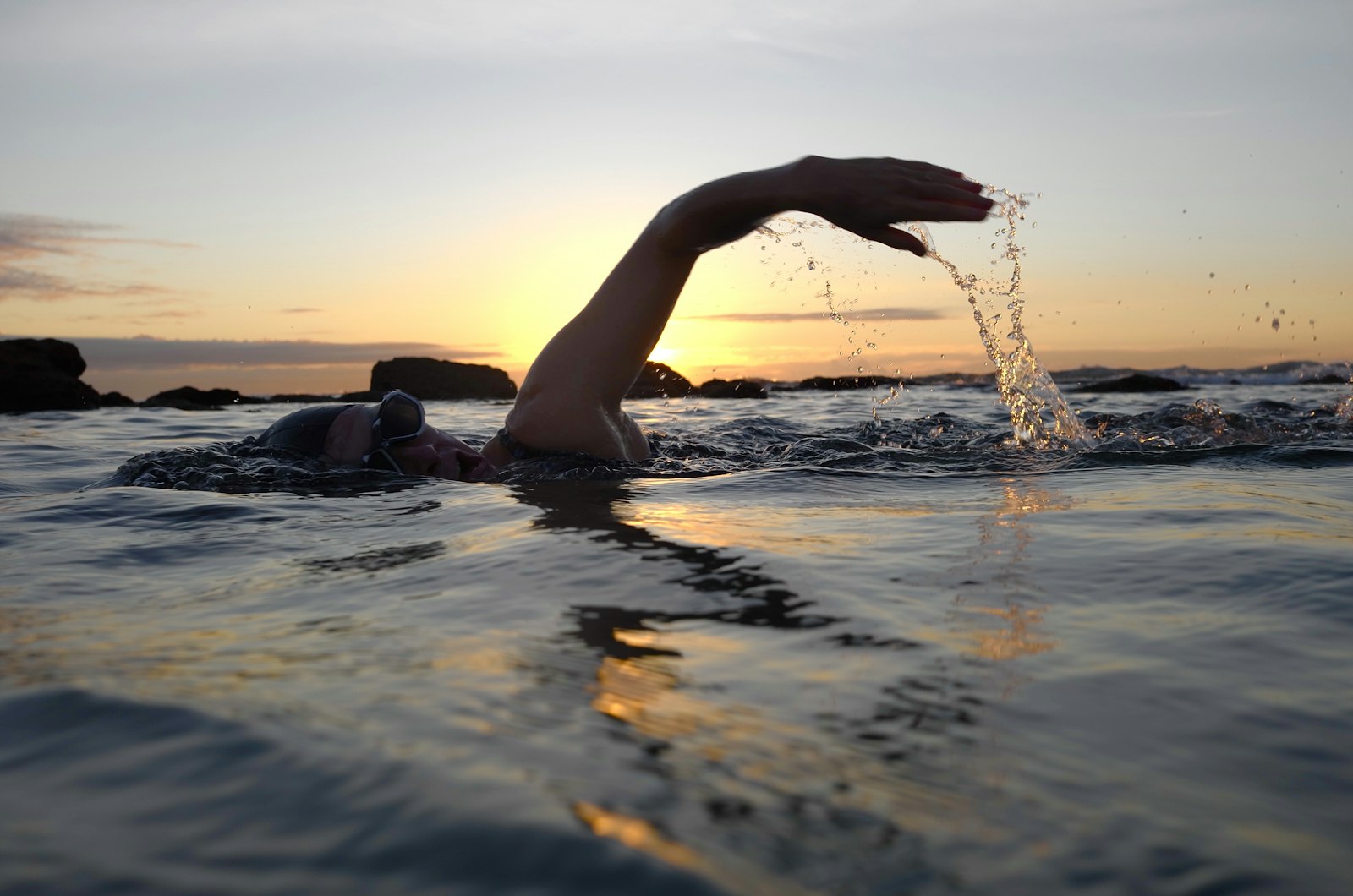
The problem with meeting people in Honolulu without drinking is not that there's nothing to do here sober. Honolulu is an easy place to have a full social life without a drink in your hand — the good hours are early, most of the good activities happen in daylight, and half of them happen in the water.
The problem is the invitation. "Grab a drink" is the default adult opener, the way "coffee" is for work. When you don't drink, the most common route from stranger to friend stops being available, and it can look like the whole city closed.
It didn't. You need a different default.
Honolulu without drinking starts in the morning
Between about 5:30 and 8am, Honolulu is wide awake, entirely sober, and unusually friendly. Nobody is drinking. Everybody is doing something. And the small talk is already handled, because you're all looking at the same swell or the same hill.
The surf check is a social event before it's a session — people stand in the parking lot reading the water for twenty minutes, and that's where the conversation happens, not out the back. Ocean swimmers meet at the same stretch of Ala Moana most mornings. Run groups loop Kapiʻolani Park and the Ala Wai. Ridge and stair climbers do Koko Head or the Lanikai pillboxes before the heat, and the walk down is where people exchange numbers.
If your evenings keep routing through bars, move the whole project to the morning. The people are more consistent and drinking never comes up, because it's 6am. A sunrise hike is a two-hour conversation with a view attached, and a beginner surf spot is a place where the same faces turn up at the same time every week.
Daytime and water do the same job as a bar, better
A bar's real function is to give two people a reason to stand next to each other for ninety minutes with something to do with their hands. Anything that occupies your hands works.
On Oʻahu that list is enormous. Outrigger clubs run at set times and are built entirely around showing up. Jiu-jitsu, climbing, and the classes you can walk into without a membership. Pickleball and volleyball courts where the etiquette is literally that strangers rotate in. Outdoor yoga on the grass at Magic Island. Farmers markets, where you walk slowly, eat standing up, and talk. Beach cleanups, community garden days, a drive up the North Shore that takes all day and costs you gas.
None of it is a consolation prize. Locals treat these as the main event, which is exactly why they work for you.
"I don't drink" is a complete sentence
You don't owe anyone a reason, and the thing that makes it a non-issue is your own tone. Delivered as an apology, it becomes a topic. Delivered flatly, it lasts three seconds.
Things that end the subject cleanly:
- "I'm good — I'll take a soda."
- "Not drinking tonight, but I'm in."
- "I'm driving."
- "I don't drink. What's good here?" — the question does the work; it hands the conversation somewhere else.
If someone pushes past a clear no twice, that's information about them, not about you, and you're allowed to be less interested in them from that point on.
Ordering something non-alcoholic at a bar here rarely draws a reaction anymore — a calamansi soda, a hot tea at an izakaya, a lilikoʻi anything. You can go to the bar and not drink at the bar. That's a real option when the people you want to see are there, and it costs you nothing to leave at nine.
And if you're hosting: stock something good that isn't alcohol and don't announce it. Half the room will be grateful and none of them will have to explain why.
Coffee and dinner are real invitations, not fallbacks
The mistake sober people make is treating the non-drinking option as a downgrade they should apologize for — "we could just get coffee, I guess." Said like that, it sounds like less. It isn't. Coffee at 8am on a Saturday is a better conversation than a loud room at 10pm, and you'll both remember it.
Same with food. A table of six where the plates get passed around is the most reliable social unit there is, and drinking is incidental to it. Group dinner spots in Honolulu that seat a crowd do the work for you: seated, facing each other, something to do for an hour and a half. Late food after everyone else's night out is arguably better, because people are honest at 11pm over saimin in a way they aren't at 8. A private karaoke room is the same trick — the point is the room and the mic, not the tab.
What you give up, and what replaces it
Pick things that repeat. True for everyone, doubly true without alcohol, because you give up the artificial closeness a few drinks manufacture in one evening. What you get instead is slower and sturdier: the same people, the same morning, week after week, until someone texts you about something unrelated.
That's the trade. Not the fast intimacy that's gone by Tuesday — the kind built out of hours, and there's nowhere better to accumulate them outdoors before most of the city is up.
A sober social life here runs on plans at hours when nobody is drinking anyway, and that is most of what sits on YKnot — a swim, a market run, a hike before work, each posted by a member who is going regardless and has a seat free. Members only, IDs checked, host decides who joins. Nobody asks why you're drinking a soda.
See what's happening on Oahu →
Cover photo by Dallas Morgan on Unsplash.