
Things To Do
Your first board game night is easier than the version in your head
Nervous about your first board game night? What to expect at the door, how to wait for a seat, how to ask to be taught, and the etiquette that matters.
By YKnot Admin · · 5 min read
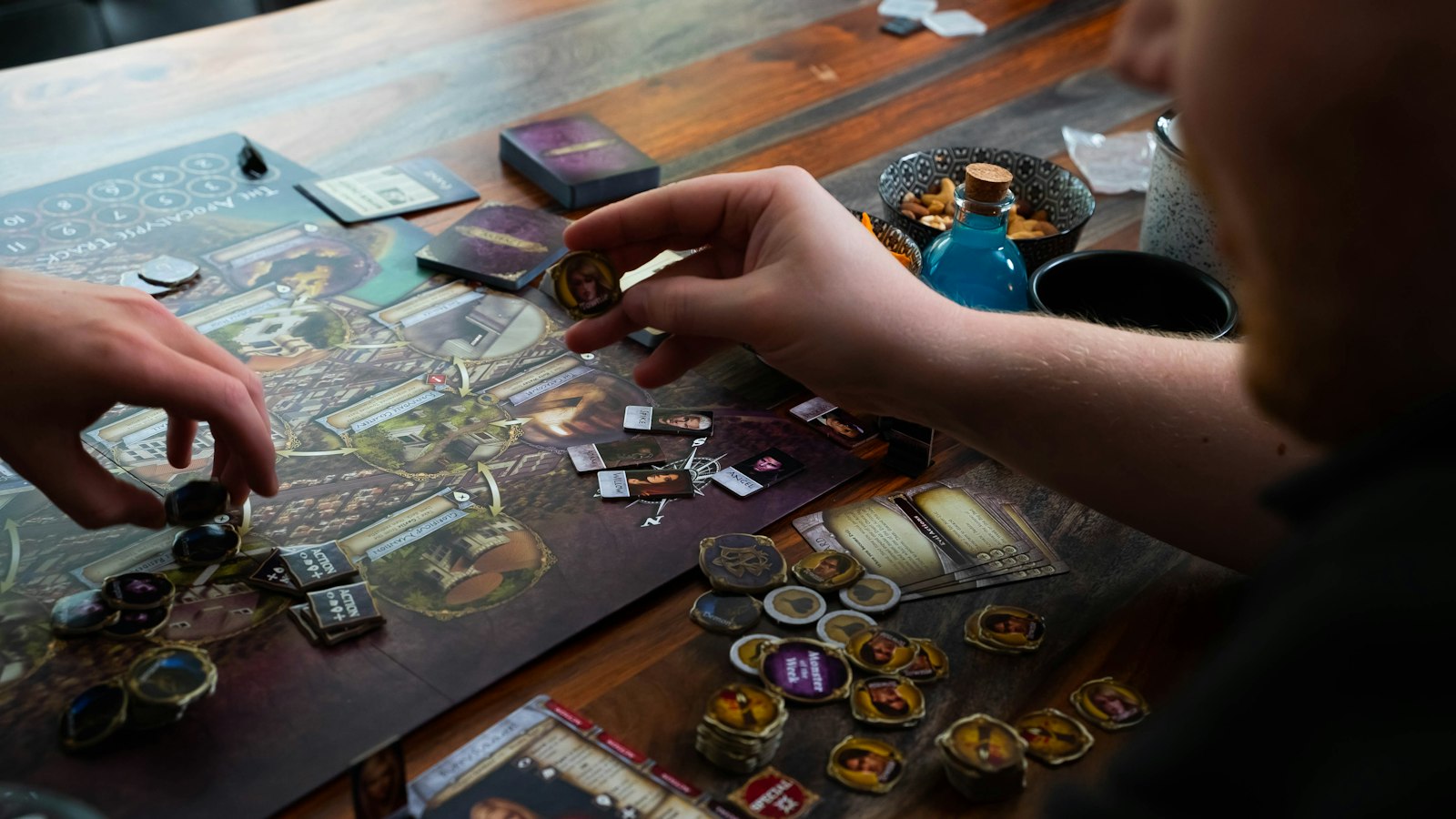
The hardest part of your first board game night is the ten minutes before you open the door. You have already run the bad version: a table of people who know each other, a rulebook you cannot follow, three hours trapped in a game while everyone waits on your turn. That almost never happens. What happens instead is quieter and more ordinary, and seeing it once takes the teeth out of it.
Nobody is watching the door as closely as you think
Walking in is the loudest part of the evening, and it is over faster than you expect.
Most open game nights look the same from the doorway. Two or three tables going, one half set up, a few people deciding what to play next. Heads come up for a second and go back down.
Say the true thing out loud: it is your first time, you do not know anyone, is there anything open. That sentence does almost all the work, and beats hovering by the wall on your phone. If you are still deciding where to go, a survey of board game nights around Honolulu saves you a map search.
Shops, public libraries, and community rooms host most of these, often upstairs in a strip mall behind a sign you would miss from the road. Schedules shift with staffing and holidays, so check the place's own page the day of, and leave time for parking.
You will have to wait, and waiting well counts
Arriving into a room where every game is in progress is normal, not a rejection.
Games run long. Whatever is on the table when you arrive may have another half hour in it, and most games cannot take on a new player mid-way. So you wait, and how you wait is the first impression you make.
Pull a chair up near a table close to finishing and ask if you can watch. It is a normal request, usually a welcome one. Watch quietly — do not point out the move someone missed, do not explain a rule to a player who has been at it an hour. When the box closes, you are sitting right there, you half know the game, and you are the obvious fourth.
Ask to be taught instead of pretending
The fastest way to ruin a night is nodding along to rules you did not follow.
Say it plainly: I have never played this, will you teach me. Plenty of hobbyists like teaching, and the explanation is usually shorter than the rulebook suggests. Every game at that table was taught to somebody by somebody, usually badly the first time and fine the second.
Two questions get you most of the way: how do I win, and what does a good turn look like. Ask to have your first turn walked through out loud, and ask again if you lose the thread — asking twice at minute ten beats being lost at minute fifty.
You will lose. Nobody will remember it next week.
Ask for a short game first
A thirty-minute game you dislike costs you thirty minutes; a three-hour game you dislike costs you the night.
When someone asks what you want to play, say you are new and ask for something short. Most groups keep a few on the shelf — card games, quick bidding games, small puzzles that run about half an hour. Whoever is teaching will be relieved; a short opener is how they read a new table.
It also gives you an exit: if you are tired, you leave with the evening intact.
The etiquette that actually matters
Pay attention on other people's turns and most of the rest follows.
Plan your move while others take theirs. Stay off your phone; making four people wait while you scroll is how you do not get invited back. Do not coach unless asked. In a cooperative game, do not quarterback: if you can see the best play for someone else's hand, let them find it.
Bring very little. Water, something to share, a layer — these rooms are either air-conditioned to the bone or running on a propped-open door and a fan. Do not bring your own giant game expecting it to get played. When a game ends, help sort the pieces back into the box; doing it unasked is how regulars get made.
Leaving early is fine, between games rather than mid-turn. Say thanks, say you had a good time, ask when the next one is.
Going twice is worth more than going once
The second visit is the one where somebody says your name.
The first time, you are a stranger doing a brave thing. The second time, you are the person who played that card game and nearly won, and someone waves you over before you have found a chair. Most of what you want out of your first board game night sits on the far side of visit two, so the mistake is treating one evening as a test.
The island is small enough that the guy who taught you the card game turns out to know your coworker, and by the third visit you are not a stranger in that room.
If no schedule lines up with your week, run one yourself. Put the plan up — a table at your place, two seats open, rules taught as we go — and let people nearby ask in. Your own table is lower pressure than a room of strangers, and it works when bars are not your scene; making friends here without drinking leans on this kind of plan, as does any honest list of things to do on Oahu that aren't the beach.
Pick a night and put it on the calendar now. Then your first board game night is not a decision you make at the door, only something already on the schedule.