
Working nights in Honolulu and still having a life
Work nights in Honolulu and you're not short of people, you're short of overlapping hours. What's open after close, and why Tuesday morning beats Friday.
By YKnot Admin · · 7 min read
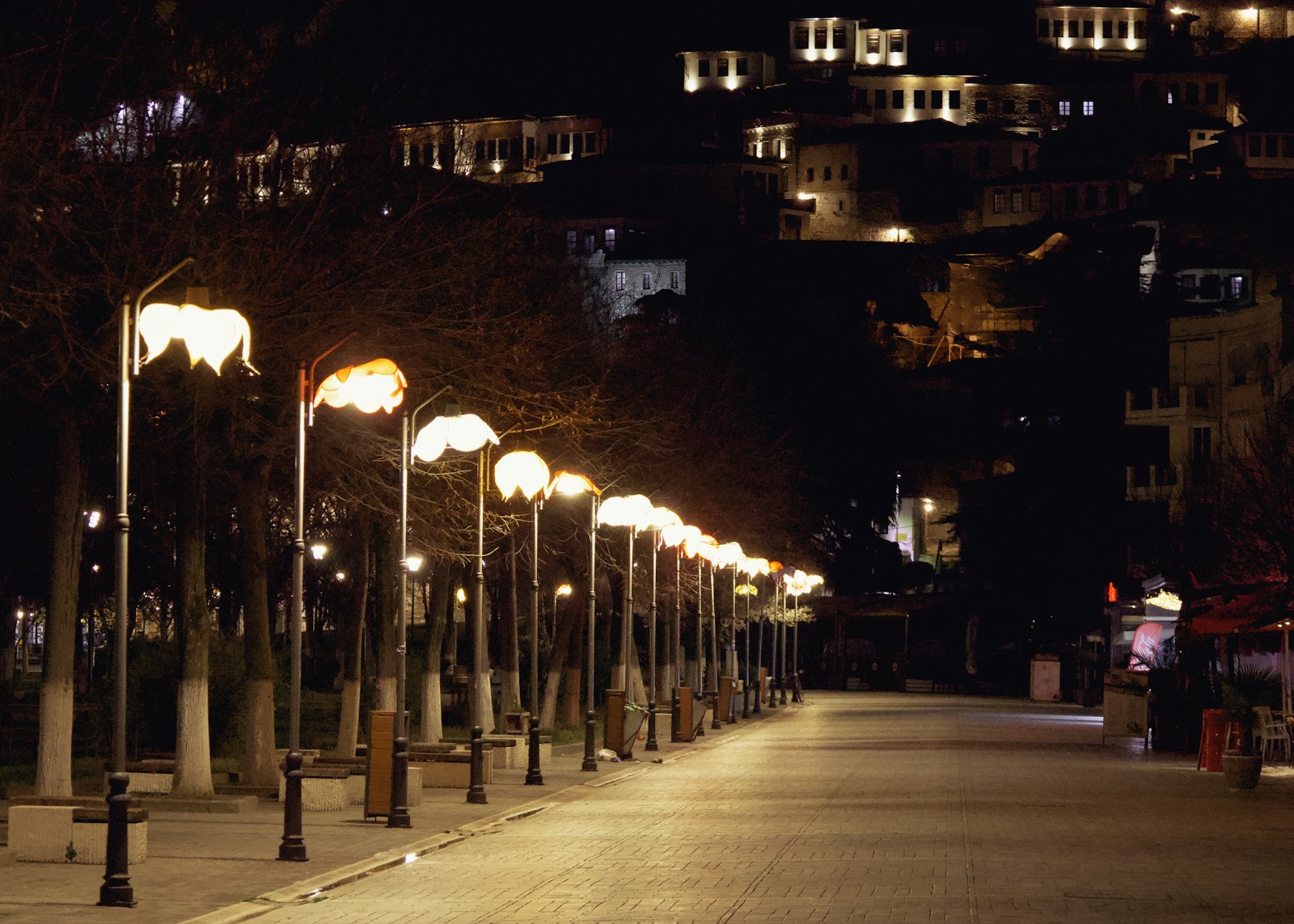
You are not antisocial. You are not bad at this. You work Friday and Saturday nights, you are free on Monday, and every person you like is at work on Monday. That is the entire problem, and almost nothing written about friendship in this town addresses it.
The advice you get assumes a nine-to-five reader. The Friday pau hana. First Friday in Chinatown. The after-work run at Kapiʻolani Park. All of it is scheduled inside the exact hours you are on the floor, on the unit, or at the gate. Your problem is not a shortage of people. It is a shortage of overlapping free hours — a completely different problem with a completely different fix.
Honolulu runs on shift work. Hospitality and healthcare are both around-the-clock industries here and both employ a lot of people who live here permanently — Waikīkī, the airport, Queen's, Straub, Kapiʻolani, Castle and Tripler do not go dark at five. You are not a fringe case. You are a large share of the workforce the local social calendar quietly ignores.
The mismatch is the whole thing, so stop treating it as a character flaw
Run the arithmetic. A swing shift, roughly mid-afternoon to eleven, deletes every dinner, every league game, every class, every show. A graveyard shift deletes the evening, then takes the next morning as payment for sleep. A restaurant schedule deletes Thursday through Sunday — the pau hana, the Friday fireworks off the Hilton, the Saturday morning KCC run, every weekend trailhead. The four days everyone else's social life sits in.
What is left is real and worth naming: weekday mornings, weekday afternoons, Monday and Tuesday nights, the hour or two after close.
Those are good hours. Nobody invites you into them, because invitations get made in group chats by people whose free time starts at five on a Friday. When you say you have no social life, what you have is four unbooked daylight hours on a Tuesday and nobody to spend them with. That is a matching problem, not a personality problem, and matching problems have mechanical fixes.
What is actually open when you get off
The honest picture of Honolulu after midnight: thinner than people think, and concentrated.
The Keʻeaumoku corridor is the reliable one. Korean restaurants there run very late, and the room at two in the morning is cooks, servers, bartenders, nurses coming off nights and people who just closed out in Waikīkī. It is the closest thing this island has to a shift-worker canteen. A few Zippy's locations hold long or overnight hours. Treat all of it as structural rather than fixed — late-night hours on Oʻahu get cut and restored constantly, so confirm before you count on it.
Beyond food, the round-the-clock options are gyms. Two chains here are built around all-hours or keyfob entry, one with a Kapiʻolani Boulevard club — but which locations actually hold overnight hours has changed more than once since 2020, so check before you build a 3am routine around it. A gym at three in the morning is not a social venue, but it is a repeating one, and the same six people are there at that absurd hour every week. That is more repetition than most people get out of a Friday night.
Getting home catches new shift workers out. Service thins after midnight and the Skyline rail does not run around the clock — check TheBus and assume you are driving or splitting a car. And if your social life only happens where a bar is open, it gets expensive fast; the version that doesn't revolve around drinking is worth reading alongside this.
Your Tuesday morning is the most valuable thing you own
Here is the part that flips it.
Hawaiʻi does not observe daylight saving, and we sit far enough south that sunrise and sunset barely move across the year. Whatever the season, you finish a graveyard shift into full daylight with most of a day ahead of you. On the mainland that shift ends in the dark half the year. Here it never does.
So the plans that are almost impossible for a nine-to-five reader are the easy ones for you:
- Weekday trailheads. Makapuʻu Point Lighthouse Trail sits behind a gated lot that does not open at dawn, so check the gate before you drive out. Wiliwilinui Ridge runs up through a Waiʻalae Iki gatehouse onto a handful of stalls at the top of the road, which is why it stays quiet and why visitors never find it. Kaʻiwa Ridge above Lanikai parks on residential streets where enforcement is strict and neighbours are tired of it. On a Tuesday all three are a fraction of the weekend crowd.
- Diamond Head. A reservation system exists for out-of-state visitors and has been revised more than once, and residents have generally been treated differently under it. Worth checking the current rule, because it is the kind of advantage residents forget they have.
- Dawn patrol. Ala Moana Bowls, the Waikīkī breaks, the Diamond Head stretch. The water at first light is the most consistently social place on this island, and it runs on your schedule. Same with the outrigger canoe clubs along the Ala Wai, which paddle early and evening rather than mid-day.
- Magic Island and Ala Moana Beach Park. There is a posted overnight closure window and the lot gets swept, so this is a dawn plan, not a post-close one. Parking is trivial before mid-morning and impossible after.
A 10am Tuesday hike is worthless to someone with a desk job. To you it is prime time, and you are competing with nobody for it.
The honest note: daylight plans fill, 2am plans do not
This is not symmetrical.
A Tuesday morning hike, a weekday paddle, a 2pm lunch in Chinatown, a Monday-night table — those fill. More people are free on odd daylight hours here than you think: other service workers, nurses on three-twelves, firefighters, dispatchers, remote workers on mainland time, parents with kids in school.
A 1am plan has a shallower pool. The people free then just finished a shift, are running on adrenaline, and want food. That works — post-close food with coworkers is how most restaurant friendships get made — but it does not scale past the people you already work with.
So the strategy is not "find my people at 2am." It is: use the after-close hours to hold onto the coworkers you already have, and your weekday daylight hours to find everyone else. Two different projects, two different clocks.
How to run it, practically
Name the actual plan. Not "we should hang out sometime" — a 7am session at Bowls, a 9am loop up Wiliwilinui, a 2pm plate lunch in Chinatown before your 4pm call. Nobody with a normal schedule will think of you for a Tuesday at ten — not out of unkindness, but because they are at work. The person with the odd calendar has to put the time on the table. Same principle as building a circle here generally, with more of the burden on you.
Pick the things that already repeat on your clock. A canoe club's early paddle off the Ala Wai runs before most offices open. The same absurd gym hour comes around every week. Sitting the same break on the same weekday puts you beside the same four people until one of them says something.
Say your schedule out loud, early. "I'm off Monday and Tuesday, I close Thursday through Sunday" is not an apology — it is the most useful thing you can hand someone here, where half the people you say it to work a hospital rotation or a hotel shift and know exactly what you mean.
Then look sideways at other odd-hours residents rather than up at the normal-hours crowd. The travel nurses cycling through the hospitals are on your clock. So is half of any weekday trailhead at eight in the morning. The gap is not effort. It is overlapping hours — and they stop being hard to find once you quit squeezing into a Friday evening that was never going to be yours.
YKnot is built for exactly that gap: people here post plans they're already going to — a hike, a dinner, a paddle — with a spare seat, and you ask to join. It's members-only and everyone's ID-verified, so you know who you're connecting with.
See what's happening on Oahu →
Cover photo by Miguel Alcântara on Unsplash.