
Things To Do
The Rainy Season on Kauai Is a Social Problem, Not a Weather One
Months of rain on Kauai are a social problem more than a travel one: where it actually falls, what closures mean, and why every plan needs a wet version.
By YKnot Admin · · 5 min read
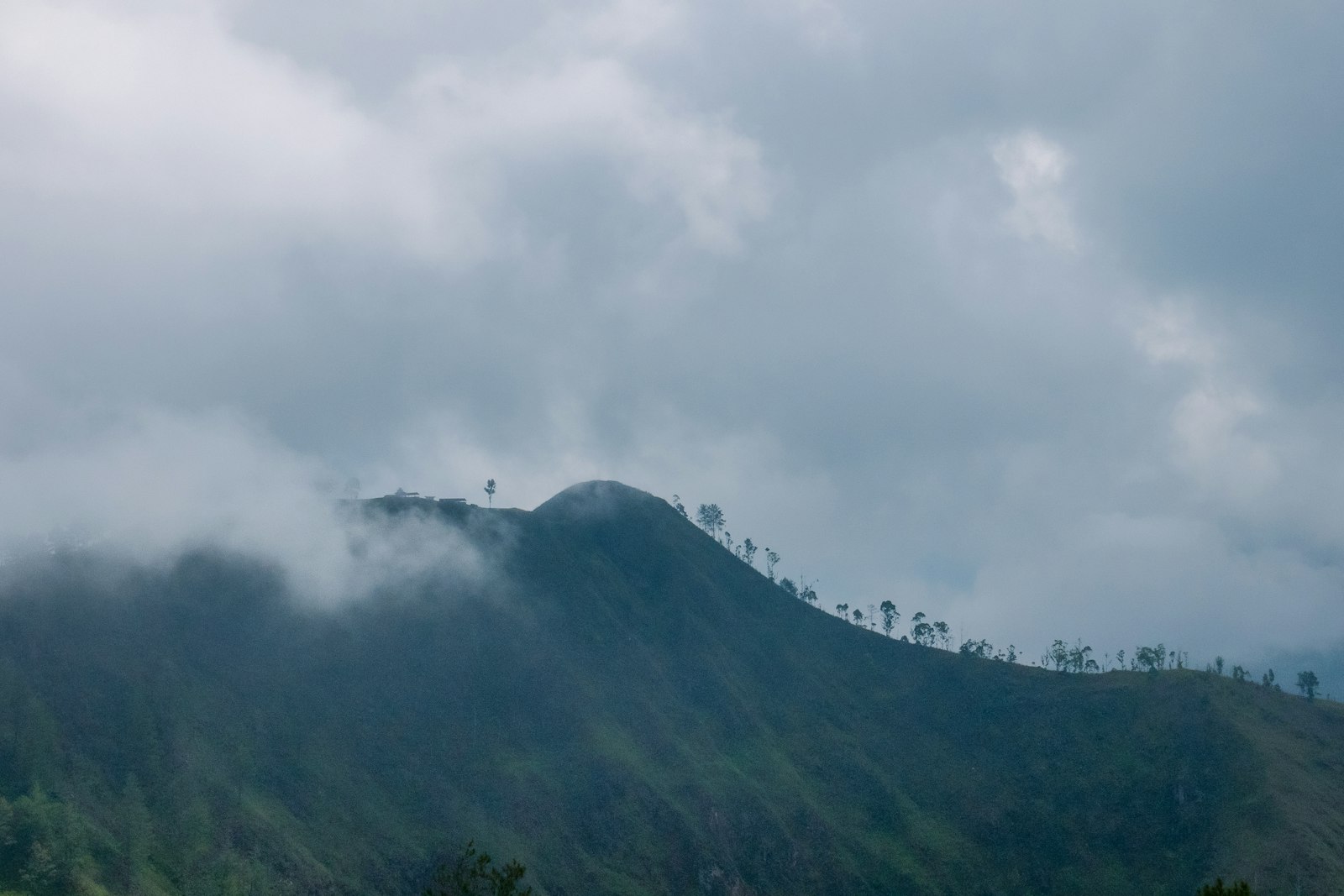
The rainy season on Kauai does less damage to your calendar than to your friendships. Nobody leaves over rain, but the rainy season on Kauai is when groups quietly come apart. What the season removes is the default — the beach afternoon, the hike, the thing everyone agreed to without discussing — and most groups never replace it. Six weeks later the weather takes the blame for a habit that quietly stopped.
"Is it raining" is a question about where, not whether
The rain here is regional and fast-moving, so the honest answer is almost always "it depends which side you are standing on."
The wet interior around Waiʻaleʻale sits in the middle of everything, and the trades push moisture against the mountains. The north and east — Hanalei, Wailua, Kapaʻa — take the brunt of it while the south and west around Kōloa and Poʻipū stay far drier.
Someone in Hanalei calling off a plan in Poʻipū is describing their own driveway, not your destination. The reverse trap is worse: you see sun in Līhuʻe and drive north into something else.
Stop asking whether it is raining and ask where. A lot of what gets called off in the rainy season on Kauai is somebody generalizing from one window.
Every plan needs a wet version, agreed before it rains
The group that decided in advance what happens if it pours still meets; the group that did not quietly dissolves.
A plan with no wet-weather version is not a plan during these months — it is a hope. When the sky opens an hour beforehand, somebody has to decide for everyone, and with no pre-agreed answer the easy decision is "let's do it another time." Another time has no date, and the months stack up.
The fix costs one sentence when the plan is made. Beach day, and if it rains we take the covered pavilion. Hike, and if the trail is closed we drive west. Paddle, and if the river is up it becomes somebody's garage and a pot of chili. You are deleting the moment where one person has to decide alone.
It also changes who you are in a group: the person who always has the backup is the one everyone texts first — the same muscle behind making friends on Kauaʻi. If you are putting the plan up, say the wet version out loud when you share the seat.
Closures are not suggestions, and water rises fast
The real hazard of the season is not discomfort, it is moving water, and it arrives from rain that fell somewhere you cannot see.
Streams and rivers on Kauaʻi come up quickly. A crossing that is ankle deep can turn impassable while the sky above you is clear, because the rain that matters fell in the interior an hour ago. Flash flooding here is not theoretical, and the north shore has been cut off by it before.
It is why the trails behave the way they do. The Kalalau Trail and the valleys around Hanakāpīʻai close, and the crossings inside them are where people have been hurt and killed. A closed gate is not an opinion about how capable you are. Go around one and you have turned your afternoon into somebody else's rescue, in the same water.
Check conditions at the source the morning of, not the night before: the National Weather Service forecast office for Hawaiʻi issues the forecasts and the flash flood warnings; the county and state post current closures.
Indoor space is thin here, so hosts carry the season
A small island has few rooms you can simply show up to, which is why the wet months run on private ones.
In a city, rain reroutes you to a hundred indoor places. Kauaʻi has no such depth. County pavilions, beach parks with roofs and the public libraries carry real weight. But much of a wet month happens in somebody's house, a garage with the door rolled up, a carport with folding chairs.
That makes hosting more valuable here than elsewhere, and it does not take a good house — a dry rectangle and the willingness to name a time. Potluck is the default and the etiquette is real — bring enough, bring containers. Read how a potluck actually works here before your first one.
If hosting is not available to you, be the person who reliably shows up when someone else does. During the rainy season on Kauai, that is what keeps invitations coming.
The mood is real, and naming it helps
Cabin fever stacked on island fever is a specific feeling, and it is easier to carry once you say it out loud.
Weeks of gray, wet shoes by every door, the water brown at the river mouths. The island gets smaller when you cannot go outside in it, and the ordinary island fever everybody here knows gets sharper.
Saying it out loud helps more than it should, because almost everyone you know is carrying a version of it, and the admission usually turns into an invitation. It is also the argument for one low-effort standing thing: small, indoors, repeated.
The good part, which is not a consolation prize
Kauaʻi in rain is spectacular, and the people who stay social through it are the ones who stopped treating weather as a cancellation.
The cliffs run with waterfalls that are not there in August. The valleys go a green that does not photograph, and the afternoon it finally clears is worth the week that came before it.
None of it asks for bravado. It asks for a jacket, dry clothes in the car, a willingness to be damp, and a plan that already has a second version. Put the plan up with the wet option attached, name the side of the island you mean, and let people ask to join.
Cover photo by Regi Munandar on Unsplash.