
Island fever in Hawaii is usually a social problem
Island fever is what Hawaii residents call feeling stifled by the size of the place. The cure people get sold is a plane ticket. It's usually wrong.
By YKnot Admin · · 7 min read
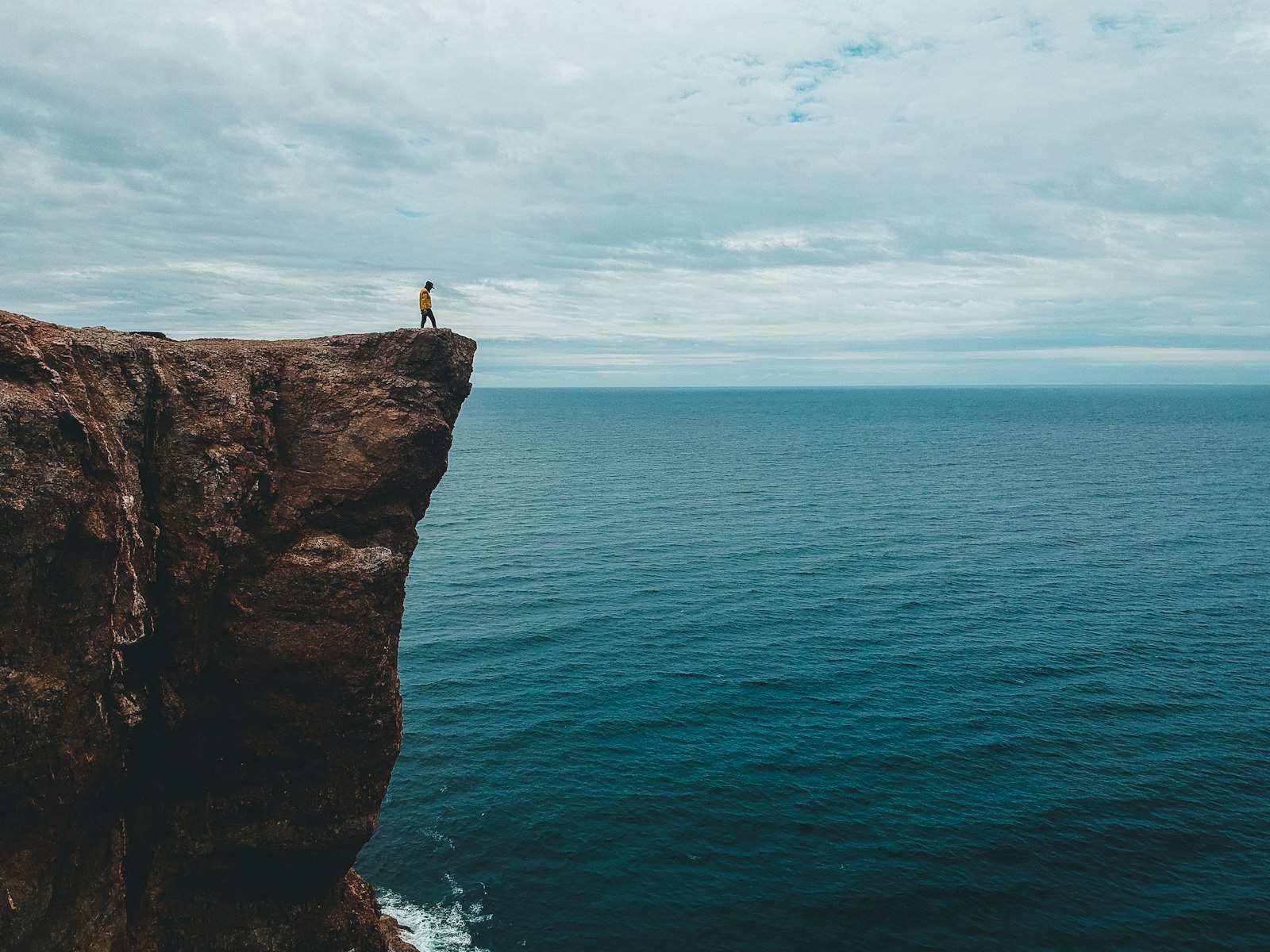
Nobody on vacation searches for this phrase. It gets typed by people who live here, usually somewhere between year one and year four, usually late at night, usually while quietly doing the math on whether to stay.
The advice you find is almost always the same: book a flight. Get off the rock for a week. Go somewhere with a real winter and a proper bookstore and a highway that keeps going.
That advice is not wrong, exactly. It is just aimed at the wrong thing. You are probably not bored of the island. You are bored of doing the island alone.
What the phrase actually is
Start with the timeline, because it gives the game away. Most accounts put the onset at six months to a year in, hardest on people who moved here from somewhere large. Six to twelve months is also, almost exactly, how long a new arrival's social life can coast on being new — the welcome dinners, the coworker showing you around, the friend-of-a-friend who had you over once. When the novelty runs out, so does the invitation flow. Both clocks stop at the same time, and people blame the one they can see out the window.
The word itself carries no more authority than that. Island fever — rock fever, in the older local usage — is not a medical term, not a diagnosis, and has never been treated as a clinical condition. It is a folk label islanders coined for a real feeling: stifled by the size of the place, restless, irritable at the same drive home. The feeling is worth taking seriously. The explanation baked into the label is not.
The symptoms are social ones in a geography costume
Read the standard symptom list closely. Restlessness. Irritability. Trouble concentrating. Withdrawal. A sense that every week is a repeat of the last one. Boredom with a beach your mainland friends would resent you for.
Now ask which of those is caused by land area.
None of them are specific to being surrounded by water. Every one of them appears on the list of things that happen to an adult whose week contains no other adults in it by choice. Isolation in a crowded, beautiful place is still isolation, and it is far more confusing than the ordinary kind, because the setting gives you nothing to blame.
One part of it really is geographic and should not be argued away. Fares move constantly and routes get added and cut, so the sense of being unable to just go is not imaginary. Keeping some budget for getting off-island is good advice.
But a flight treats the ceiling. It does not touch the Tuesday.
The island is not small. Your week is.
Here is the test. Write down what you actually did in the last month.
For most people a year or two in, the honest list is: work, the grocery store, the same beach, the same two or three trails, and a screen. On Oʻahu that is Koko Head, the Lanikai pillboxes and Mānoa Falls. On Maui it is ʻĪao and Waiheʻe Ridge. On Kauaʻi it is Sleeping Giant and Kuilau Ridge. On Hawaiʻi Island it is Pololū and the Kīlauea Iki loop.
That is not an island running out of things. That is a person running out of reasons.
The neighbour islands feel this earlier and harder, and not because there is less to do — Hawaiʻi Island alone is larger than all the others combined. It is because there are fewer people, less churn, and almost no infrastructure of strangers standing next to each other. On Oʻahu, sheer density means somebody is always starting something. In Hilo, in Waimea, in Hāna, in Kīhei, nothing starts unless somebody starts it.
And notice what actually changes when you fly to Las Vegas for five days. You are not somewhere bigger, in any way you experience. You are somewhere with people who already know you, doing things with them. Then you land back at the airport and the feeling returns within about a week. The variable was never the acreage.
What fixes it is a repeating thing with people in it
The cure for a week that repeats is not a bigger island. It is a week with four or five other names in it — something on a schedule, that you did not have to organise, that happens whether or not you feel social that morning.
These exist on every island. Most of them are unglamorous and almost none of them advertise.
On Hawaiʻi Island, the clearest example in the state is the Peaman swim-and-run at the Kailua Pier in Kona, a Kona institution for decades, with divisions built so that anyone can enter — swim only, run only, relay, whatever you have got. Nobody has to qualify for anything. On the east side, the Hilo Farmers Market on Kamehameha Avenue is the closest thing the town has to a weekly appointment, and the surf check at Honoliʻi is the closest thing it has to a social club.
On Maui, the Friday town party rotates between towns across the month — Market Street in Wailuku, Baldwin Avenue in Makawao, Kīhei — though which towns are running has been disrupted and rebuilt more than once, so check before you drive. Kīhei Canoe Club runs adult paddling programs alongside its well-known dawn session, and a canoe is six people who now expect you.
On Kauaʻi, Hanapēpē's art night has run on Hanapēpē Road for decades, which makes it unusually durable for a small town. The coastal path through Kapaʻa, Ke Ala Hele Makalae, fills with the same walkers and runners at the same hours every morning, and recognition there starts faster than you would think.
On Oʻahu the problem is choice, not supply: a run club gathers on weekday evenings at Kakaʻako Waterfront Park by Cooke and Ilalo, the Mid-Pacific Road Runners keep a social run on the calendar, volleyball at Ala Moana has been self-organising for years, and every canoe club on the island has a novice season.
The pattern underneath all of it is the same one that governs making friends anywhere in Hawaiʻi: recurring beats interesting. One brilliant Saturday gives you a story. Ten ordinary Thursdays give you people.
If you are still counting down
Some people leave, and that is a legitimate answer. Plenty of transplants without family here go inside two or three years — the lease ends, the job changes, the boxes that came over in a container go back on one. There is no shame in deciding that a place with four seasons and your parents in it is the better life.
But make the decision on accurate information. Part of the arithmetic is honest and unarguable: every trip to see your parents is a long-haul fare rather than a tank of gas, so a wedding, a funeral and the holidays are a budget line here in a way they are nowhere else, sitting on top of a cost of living that has already taken the larger half of the paycheck. That is a real reason to go.
The part that is not honest is the comparison underneath it. If you are choosing between Hawaiʻi-with-no-one and the mainland-with-your-people, the mainland wins every time, and it should. That is not a comparison of islands. It is a comparison of address books.
Give yourself one genuine test first. Pick one thing that repeats, go ten times without negotiating with yourself about it, and see what the island feels like in three months. The island stops feeling small the moment four or five people in it are worth a Saturday.
That is a much cheaper experiment than moving, and a considerably cheaper one than a flight.
YKnot is built for exactly that gap: people here post plans they're already going to — a hike, a dinner, a paddle — with a spare seat, and you ask to join. It's members-only and everyone's ID-verified, so you know who you're connecting with.
See what's happening on Oahu →
Cover photo by Erik Mclean on Unsplash.