
Things To Do
A short guide to potluck etiquette in Hawaii
Potluck etiquette in Hawaii, explained plainly: how much food to bring, why your container is not coming back, and what to do when a plate is offered.
By YKnot Admin · · 5 min read
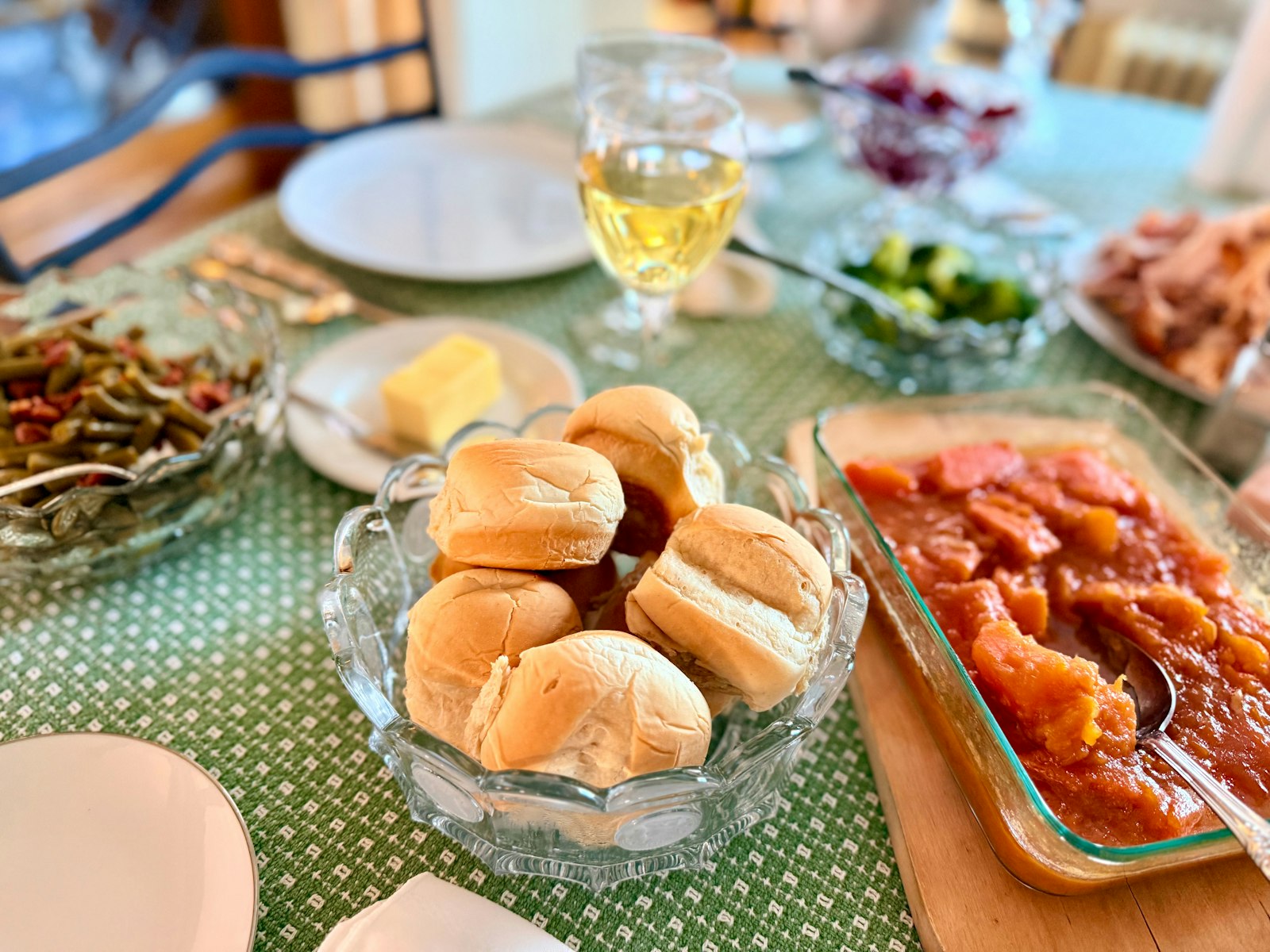
Someone from work invites you to a beach park barbecue and tells you not to worry about bringing anything. That is the first quiet test of potluck etiquette in Hawaii, and the answer is that you bring something anyway. Potluck is the default shape a gathering takes here, and most of the rules go unwritten because everyone who grew up with them absorbed them young. Newcomers get it wrong in specific, fixable ways, and none of them are about cooking well. If you have wondered why making friends in Hawaii is hard, the invitation arrives with a form nobody taught you.
Bring more than you think you need
Running out is the only real failure, and quantity reads as care.
Mainland calibration is to bring enough for yourself plus a couple of people. That math collapses the first time you watch a guest list breathe — cousins come, a roommate tags along, a neighbor walks over. Plan for more mouths than the invite suggests.
Leftovers are not waste. At the end, food gets divided into plates and sent out the door with whoever has the longest drive, the night shift, or kids at home. The host is planning on that, and a pan that comes back half full has done its job.
If money is tight, volume of something simple beats a small tray of something expensive. Rice, a big bag of chips, a flat of drinks, a bag of ice. Nobody has ever been annoyed by more ice.
Ask the host what is missing
One text before you shop prevents a table with six macaroni salads and no rice.
Send the message: what's missing? Most hosts answer specifically, because they are already looking at gaps. If the reply is "just bring yourself," treat that as politeness rather than instruction and ask again with options — drinks, dessert, ice, paper goods. One of those will get a yes.
Then think about who else is coming. Someone at that table does not eat pork, or beef, or meat at all, and the reason is theirs. One dish that anybody can eat is a real kindness, and saying out loud what is in it saves that person from interviewing every tray on the table.
Assume your container is not coming back
Bring your food in something you can walk away from.
This is the part of potluck etiquette in Hawaii that catches people. At the end of the night, dishes get washed, stacked, and absorbed into the flow of the evening. Yours may go home with someone else, resurface months later, or quietly never return. That is not carelessness, and it is why disposable foil pans exist.
If a dish matters to you, tape your name to the bottom and accept the odds anyway. Do not bring the platter you got as a wedding gift. And when you end up holding someone else's bowl, return it with food in it — that is how the loop stays warm, and it is a reason to see that person again.
Bring food that travels and waits
Assume no kitchen, no oven, no burner, and an hour on a folding table in the sun.
A beach park pavilion has tables and maybe shade. It does not have an outlet you can count on or a stove you can borrow, so anything that needs finishing on arrival is a plan with a hole in it. Food that holds at room temperature is the whole category: noodle dishes, rice, sturdy salads, cut fruit.
Count the drive, too. Forty minutes over the Koʻolau with a warm pan on the back seat spends the same clock the table does. The standard guidance is to get perishables back on ice within two hours, and sooner if the pan has been sitting in direct sun. Pack a cooler with real ice, keep it in the shade, and put things away earlier than you would at home — the basic food safety steps from foodsafety.gov are the plain version of this.
Bring a serving spoon, too. Hosts always run short.
Store-bought is completely normal
Nobody is grading whether you made it.
This surprises mainland transplants more than anything else in potluck etiquette in Hawaii. A tray picked up on the way is a complete, respectable contribution, and on a weeknight it is often the better one. A homemade dish carries weight when it is genuinely yours — your grandmother's recipe, the thing you are known for — but a potluck is not an audition.
If you want to practice the whole form before a big one, a smaller holiday table is a good place to start; the same instincts show up in how a Friendsgiving in Honolulu comes together.
Setup and breakdown are the real price of entry
The people who carry coolers and stack chairs get invited back.
Arrive early enough to help set up, or stay late enough to help take it down. Ask what needs carrying. Bag the trash. That is what turns you from a guest into a regular, and it costs twenty minutes.
When the host starts making plates to send home, take one. Declining once is polite, declining five times makes the host work to give you something they already decided you should have. Accepting closes the exchange.
Some gatherings sit inside a family, a church, or a hālau, and carry practices that are not yours to improvise on. Watch first, ask the person who invited you, and follow their lead rather than assuming access. And when it is your turn, put the plan up with a few spare seats. A potluck is the easiest thing to invite a near-stranger to — lower stakes than one of the group dinner spots in Honolulu, where the whole evening rests on whether the table talks.
Cover photo by David Todd McCarty on Unsplash.