
Things To Do
What riding Skyline on Oahu actually changes
What riding Skyline on Oahu really changes for a social life without a car, why the last mile matters, and who the line honestly serves today.
By YKnot Admin · · 5 min read
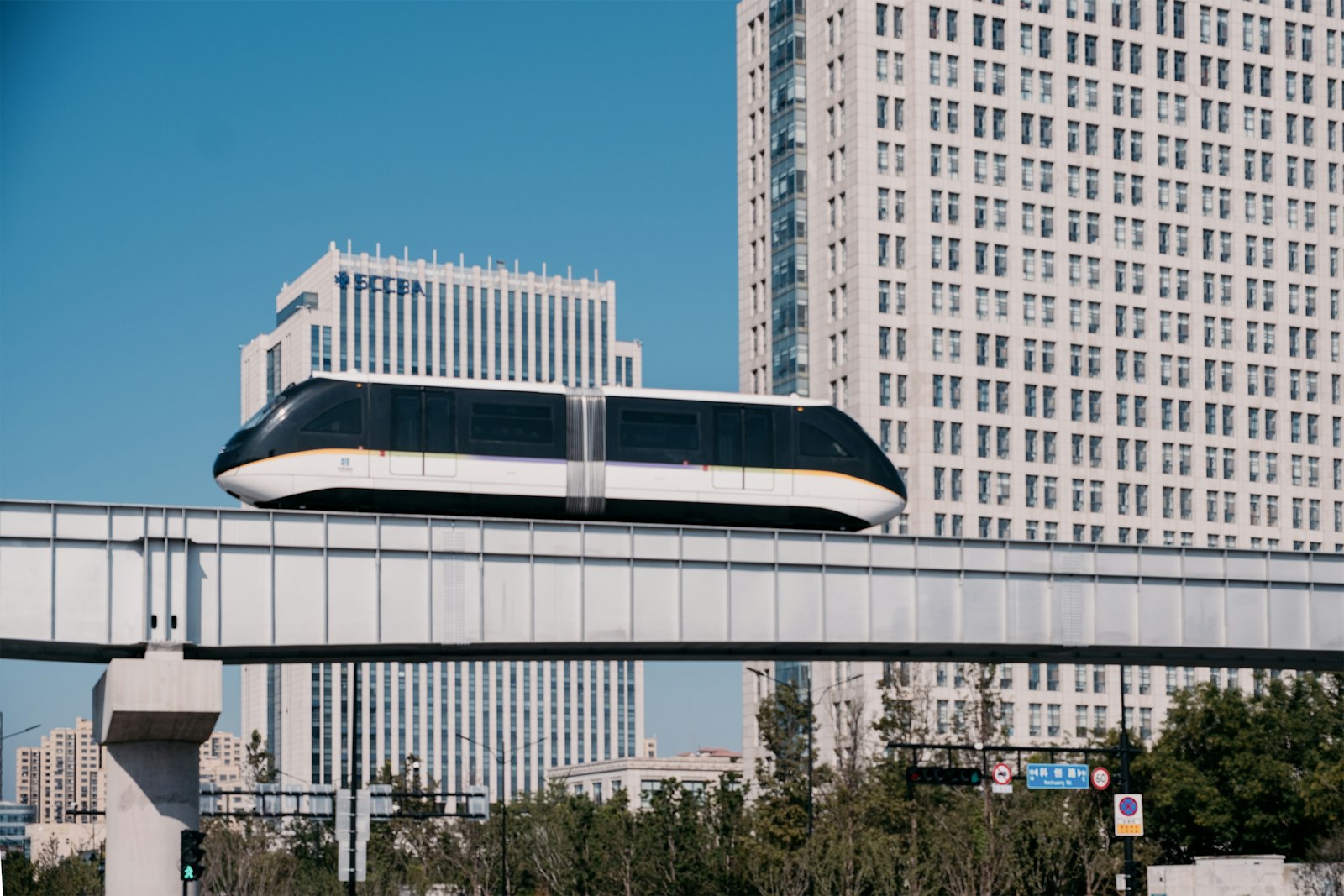
You hear about the train long before you ever stand on a platform, so riding Skyline on Oahu comes pre-loaded with other people's opinions. Riding Skyline on Oahu is the first way to cross this island that is neither a car nor stuck behind one. If you have been assembling a social life out of transfers, favors and apologies, it is worth understanding on its own terms: what it does, what it does not do yet, and how you use it to be somewhere at the time you said. Nobody built it for your weeknights, but it works on them anyway.
The line opens in pieces, so trust the agency and not an article
Skyline opens in segments, so the route you can ride is shorter than the one on the map.
The system is elevated and grade separated, running on its own guideway from the ʻEwa plain toward town. That design is the whole point: it does not share a lane with the H-1, so it does not share the H-1's bad afternoons. But it arrives in stages, and each stage changes where you can get on and off.
Anything written down about the route, the service span or how you pay has a short shelf life, this post included. The city's own Skyline page is where the current stations, hours and fares live. Look it up the week you need it, and confirm the station you name is open.
Almost nothing is at the station itself
The real trip is the train plus one more leg, and the second leg is where plans fall apart.
Stations serve corridors, not front doors. You step off the platform and you are still a walk, a bus connection or a bike ride from wherever people are gathering. TheBus connects at stations and is the workhorse for anything off the line. Work that leg out before you commit to a time, because it holds most of the variance. The broader version of this problem is in getting around and meeting people without a car.
The other last-mile option is a person. "Can you grab me at the station" is a much smaller ask than "can you drive out and get me," and people say yes to it.
Predictability is the social feature
A fixed line lets you promise a time and keep it, which is what gets you invited a second time.
Driving into town at the wrong hour is a negotiation with strangers, and a bus stuck in that same traffic inherits the problem. Riding Skyline on Oahu skips the argument, and the difference is less about minutes saved than about saying a number out loud and having it be true.
Friendships here usually stall because showing up got hard and somebody quietly stopped trying, not because anyone disliked anyone. Being the person who arrives when they said is a boring little credential, and it compounds. More on that in how to make friends in Honolulu.
It also changes what you can offer. When you can be somewhere on time, you can put the plan up yourself instead of waiting to be included: share the spare seats in something you were already doing, and say which station you are coming from.
Who it honestly serves right now
Today this is a corridor for the ʻEwa side and the people who commute from it.
The line runs from East Kapolei and the ʻEwa plain through Waipahu, Pearl City, ʻAiea and Hālawa, past Pearl Harbor and the airport, and stops for now at the Kalihi Transit Center. It does not reach downtown, Kakaʻako or Waikīkī yet, so a night in town still ends with a bus or a walk. If your life is strung along that route, town stops being a round trip you have to psych yourself up for. The neighborhood version of that is in meeting people in Pearl City and Waipahu.
If you live in Kailua, Kāneʻohe or anywhere over the Koʻolau, be honest: riding Skyline on Oahu does nothing for you yet. Your bottleneck is still the Pali and the Likelike, and that is simply where the line is. Everyone else is in between, using it for one direction of a trip and something else for the other. A partial fix you can rely on beats a complete one you cannot.
It is a different evening than driving
You arrive able to talk, and you can have a drink.
Driving costs you the first stretch of any gathering. You show up holding the traffic in your shoulders and spend the night doing arithmetic about when to leave and what you are allowed to order. On the train you read, you text the group, and you walk in loose.
Designated driver math quietly shapes who gets invited and who leaves early. Taking it out of an evening makes you easier to include and a better guest once you are there. There is also the plain fact of being among people instead of sealed in a box: neighbors, coworkers, kids in uniform.
People have opinions about the cost
The project has taken a long time and a great deal of public money, and you will hear about it.
Bring up the rail at a barbecue and someone will tell you what they think of how it was managed. Those arguments belong to people who have watched it get built for most of their adult lives. You do not have to referee them to ride it.
Whether it was run well is one conversation; whether riding Skyline on Oahu is useful to you on a weeknight is another. Pick something you already do in town, check the current route and service that week, work out the last mile before you leave the house, and tell one person which station you will be standing at.