
Things To Do
Meeting people in Pearl City, Aiea and Waipahu when you did not grow up here
The central leeward corridor holds much of working Oahu. How the social fabric forms here, and the entries a newcomer can realistically use.
By YKnot Admin · · 5 min read
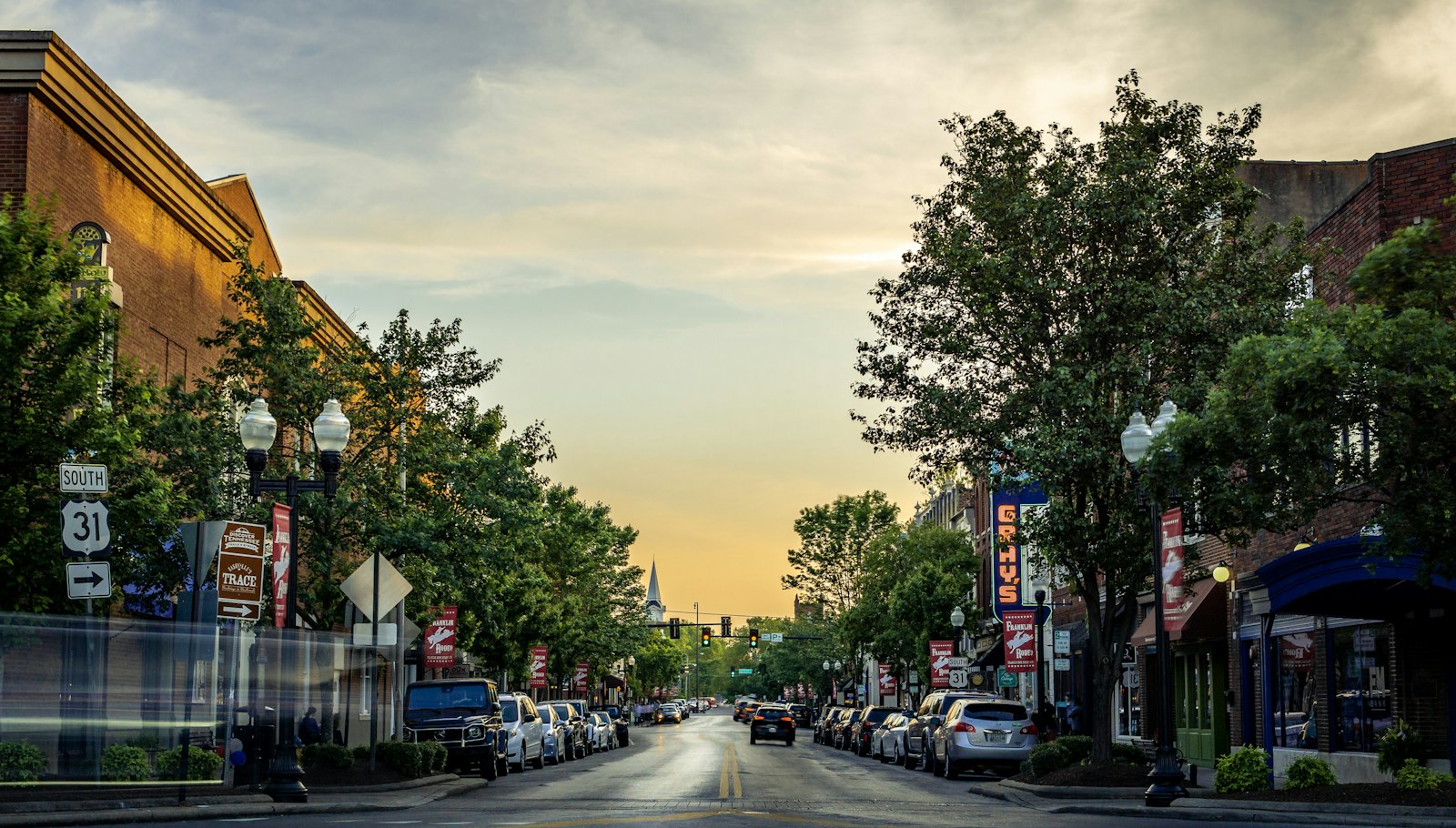
Nobody out here is new. The families on your street have been on it three and four generations, the calendar was set long before you arrived, and there is no Thursday-night scene to walk into and be absorbed by. So meeting people in Pearl City is a different problem from meeting people in Kakaʻako, and nearly all the advice written about socializing on Oʻahu is written about Kakaʻako. What this corridor has instead is dense, busy and entirely local, slower to let you in and disinclined to let you back out.
This is where a lot of working Oʻahu actually lives
The stretch from Hālawa through ʻAiea, Pearl City and Waipahu is one of the most populated on the island, and almost none of the writing about Hawaiʻi is about it. Pearl Harbor on one side, the Koʻolau foothills climbing the other, Kamehameha Highway and Farrington Highway running the length, the H-1 and H-2 tangling in the middle. For scale rather than impression, the Census Bureau's data portal carries current population and household figures for Waipahu, Pearl City and ʻAiea; the numbers surprise people who read this as suburb rather than as towns in their own right.
Households here run larger than the island average — grandparents, an aunt, somebody's cousin between leases, kids who moved back after college because housing is what it is. That is the single most important social fact about the place. Nobody has an open weekend to fill. They are already inside a schedule made of family obligations, church, somebody's game and a shift.
The plantation is still the shape of Waipahu
Waipahu was a sugar town, and it still has the shape the plantation gave it. The camps were laid out by the mill, and housing and work were sorted by ethnicity, which was a method of control as much as an accident of hiring. The streets, the churches and the community halls that grew out of that arrangement are still standing and still in use, the old mill smokestack visible from most of town. Plantation history is kept here as living memory rather than as a theme, because the people who worked those fields have grandchildren in the same houses.
Which bears directly on how a newcomer behaves. Do not call the neighborhood up-and-coming. Do not tell somebody their town is affordable. Do not treat the Filipino, Japanese, Okinawan, Samoan and Micronesian communities that built this corridor as local color you are sampling. Learn to say names correctly, take your slippers off at the door, bring food when you are invited anywhere.
Meeting people in Pearl City happens at the park, the gym and the shopping center
The public life here runs through three places and none of them are bars. District parks come first. Pearl City, ʻAiea and Waipahu district parks each carry a full week of basketball, volleyball and youth leagues, and the adults on the sideline are the actual social network of this town. The same holds at the regional fields a few minutes up the road, where pickup and league sports run most evenings. Turning up once as a spectator does nothing. Turning up every Wednesday for two months gets you a nod, then a conversation, then somebody short a player asking if you can fill in.
Second is the shoreline. Neal S. Blaisdell Park and the bike path along Pearl Harbor work as morning infrastructure — walkers before six, the same faces on the same loop, people who have greeted each other for years without knowing a single last name. It is the lowest-effort entry in the corridor and the one newcomers skip.
Third is the shopping center as town square. Pearlridge and the Waipahu centers are where people run into each other: the food court at 3pm, the supermarket on Sunday, the gym in the same lot. None of it is glamorous and all of it is where the relationships are. Add Leeward Community College, whose evening and continuing-education classes put neighborhood adults in a room together on a fixed schedule. A valley over, the same logic runs in Mililani and central Oʻahu.
The food is the honest argument for living here
None of the eating here is organized for visitors. Okazuya counters that open early and close when the trays are empty. Filipino bakeries and turo-turo along Farrington. Saimin, poke, plate lunch, Okinawan food, bakeries making things you will not find in town at all. Hours and ownership change, so check before you drive, but the density holds — this is one of the heaviest concentrations of everyday eating on the island.
Food is also the practical way in. Ask a neighbor where they go, then go, then tell them you went. Bring a tray to anything you are invited to. Offer to pick something up on your way home. Showing up with food does more work in this corridor than any amount of conversation.
Then be honest about the timeline. In town you can assemble a circle in a couple of months. Out here you are the new neighbor for a year, maybe two, and then one day you are on the group text for somebody's baby lūʻau and you never come off it. Slower, and sturdier. People who leave this corridor for town tend to say they never found anything like it again.
None of this corridor's real social life is written down anywhere — who is heading to the park on Saturday, whether there is room in the truck. YKnot writes it down. Hosts keep the say over who joins them, and nobody is on there without verified ID.
See what's happening on Oahu →
Cover photo by Brandon Jean on Unsplash.