
Things To Do
Meeting people without a car in Honolulu
No car on Oahu? Your social life lives inside bus and Biki range. How to pick plans that work, accept rides well, and host instead of travel.
By YKnot Admin · · 5 min read
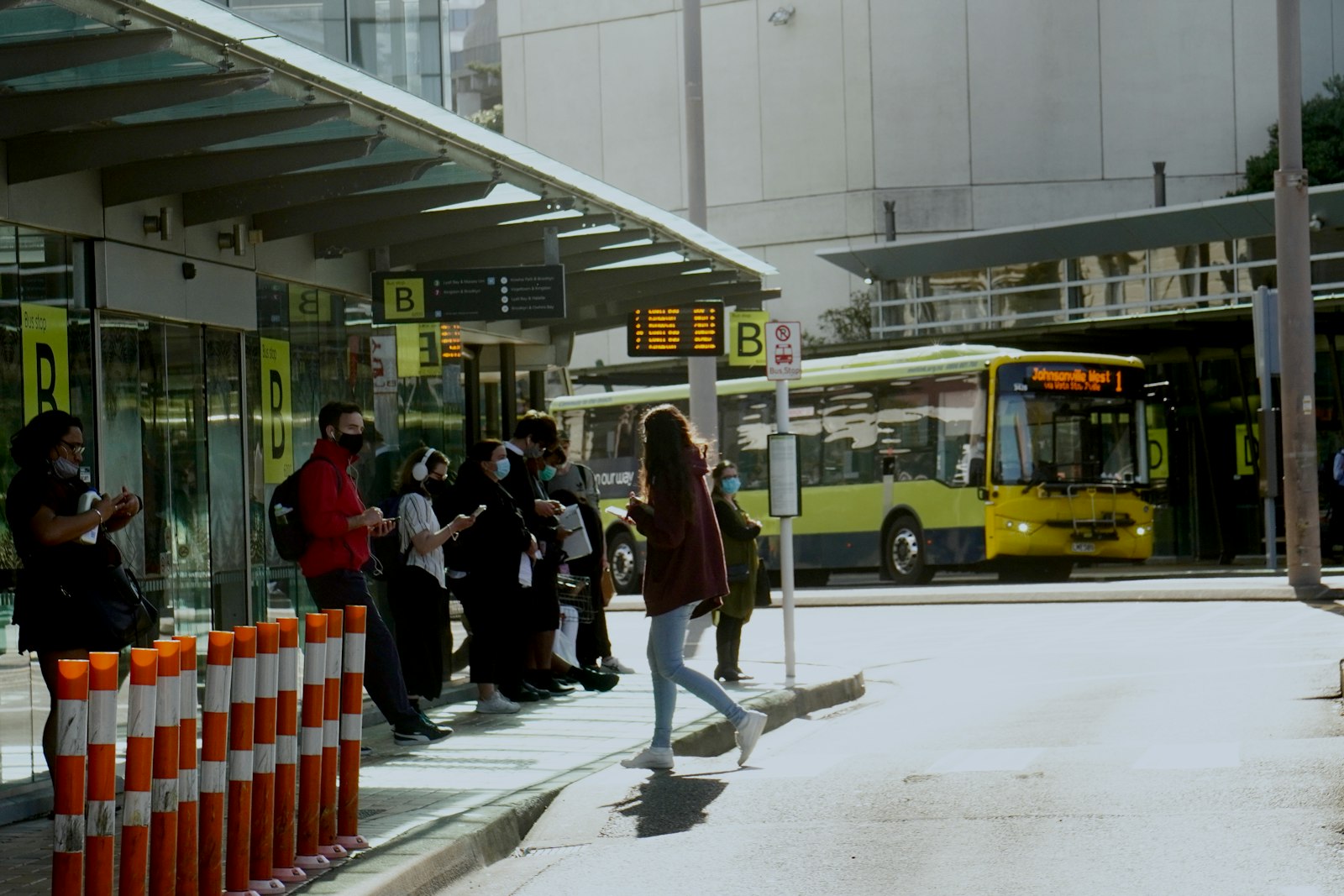
Meeting people without a car in Honolulu is a logistics problem before it is a social one. Most friend-making advice here assumes you can drive to a trailhead at six in the morning, or get home from the far side of the island at ten at night. Without a car, your social radius is whatever the bus and Biki cover in a reasonable time, and that boundary shapes who you end up knowing more than your personality does. The boundary is workable once you can see it.
The honest constraint is the trip home, not the trip there
Almost nothing is unreachable on the way out; the question is always whether you can get back.
Getting somewhere at two in the afternoon is easy: routes run often, and a missed bus is the next bus. That same trip at nine thirty at night is a different object — fewer departures, longer gaps, and a missed connection that turns a short wait into a long one. The distance did not change. The frequency did.
So the decision when you say yes to a plan is not "can I get there" but "what happens at the end of this." Check the last usable departure before you commit, on the official schedule for TheBus, and check it for the day you are going rather than assuming weekday service.
Say it out loud early, too. "I'm on the bus, so I need to leave by nine" is a normal sentence here, and people plan around it.
Pick the dense core over anywhere that needs a transfer
A single-seat ride to a walkable neighborhood beats a shorter trip that requires a transfer.
The urban corridor running from Kalihi through downtown, Ala Moana, Mōʻiliʻili, and out to Kaimukī is where being carless costs you least. Things sit close together, sidewalks connect them, and several routes serve the same stretch, so you can chain a couple of things in one outing without re-solving transportation in between.
A transfer adds a second point of failure. One late bus and you are somewhere unfamiliar, recalculating. That is the trip you quietly start declining, which is how people without cars stop going out at all.
Bias your standing plans toward this corridor and accept the trade: a narrower slice of Oʻahu, a wider slice of the people on it, and most of where locals hang out in Honolulu already inside your range.
Half the usual advice quietly assumes a driver
The problem is rarely that a place is unreachable; it is that getting back sets a curfew on the whole day.
Read the standard list of ways to meet people here and count how many assume a car. Sunrise hikes. The windward beaches. Anything on the North Shore. TheBus does reach Kailua, Kāneʻohe and Haleʻiwa, but those rides are long and evening service is thin, so the outing gets built backward from the last trip home.
Naming that is useful rather than depressing: it stops you reading a bus schedule as a personal failure.
The workaround is to treat those activities as things you join rather than originate. Someone driving to a trailhead usually has empty seats and no plan for them, which is the premise of finding a hiking partner on Oʻahu — you are filling a seat that was going to travel empty anyway.
Biki is the last mile, and it is good at that
Bikeshare closes the gap between where the bus leaves you and where you are actually going.
The stations sit close enough together in the town core that a ten-minute walk you did not want to make in the sun becomes a short ride, which removes most of the friction that makes carless plans feel like work.
It is weaker as the whole trip. A long ride eats the time it was supposed to save, the network thins at the edges, and you arrive warm. A station can also sit empty, or hold bikes nobody can unlock. Check the app for a working bike before you build a leg of the evening around one, and keep the walk as your fallback.
The etiquette of accepting rides
A ride offered once is a kindness; a ride assumed every time is a job you gave someone without asking.
Offer gas money and mean it. Be outside and ready before the agreed time, not gathering your things when the text arrives. If the plan runs long, watch for when the driver wants out.
The rule that matters most is quiet: never let a ride become a standing assumption. Ask each time, make it easy to say no, and have a real answer ready for when the answer is no. People here are generous, and stay generous when the generosity is not load-bearing.
Being carless is a reason to host
When getting there is the expensive part, the cheapest move is to be where the plan happens.
If travel is your scarce resource, stop spending it. Put the plan up for your own place, your building's common area, a park you can walk to, and let the people with cars do the moving. It costs you effort instead of transit time, and effort is what you actually have.
It also fixes the frequency problem, the real driver of friendship. Seeing five people once does less than seeing three people five times, and the repeatable version happens where you already are. That is the practical core of how to make friends in Honolulu whether you drive or not — meeting people without a car in Honolulu just gets you there faster.
So start with one recurring thing within walking distance of home. Same day, same place, open door. Meeting people without a car in Honolulu comes down to that swap: you give up range and buy repetition, and repetition is what turns a stranger into someone who texts you first.
Cover photo by Elliot Blyth on Unsplash.