
New in Hawaii
Retiring to Hawaii and starting a social life from nothing
You have the time now, and no structure handing you people. What actually rebuilds a social life after you retire and move to the islands.
By YKnot Admin · · 5 min read
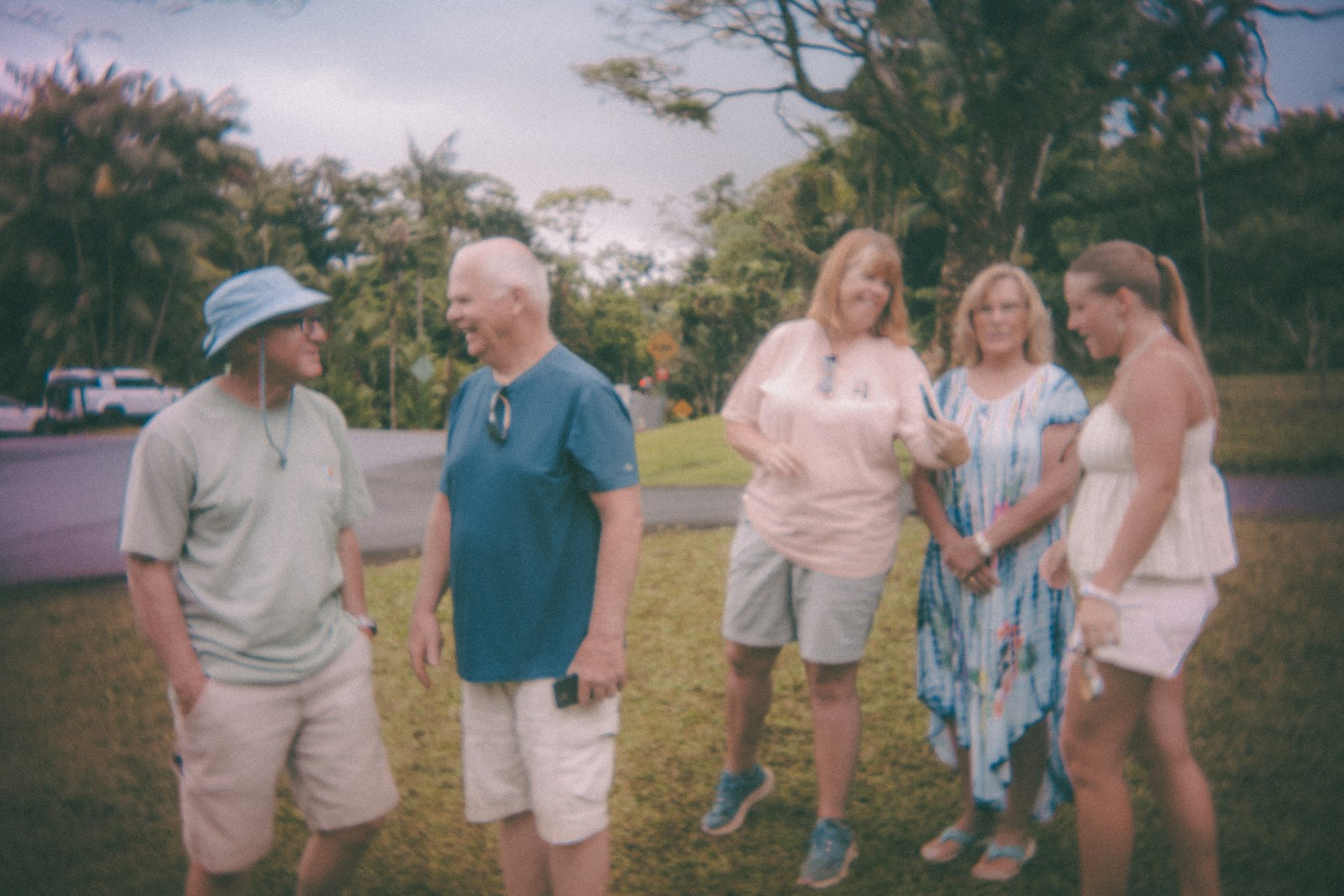
The first Tuesday is the one people remember. Nothing at nine, nothing at one, nobody expecting you anywhere. Retiring to Hawaii gets planned as an ending — the last commute, the last cold winter — and what nobody puts on the calendar is that for the first time since you were about fifteen, nothing outside you is putting people in front of you. That is what makes the first year quieter than expected, and it has little to do with the islands.
Retirement removes the last institution that was supplying your friends
Most adult friendships were a by-product of attendance, not of effort. Work handed you a rotating cast for thirty or forty years — people you did not choose, saw constantly, argued with, whose kids' names you somehow knew. You did not build that. You showed up and it accumulated.
Retiring removes it in a week. Moving removes the rest in the same month: the neighbors of twenty years, the congregation, the couple you always ran into at the store. Two subtractions at once, which is why retiring in place is an easier adjustment than retiring and relocating.
The feeling that follows gets misread. Six months in, on a lānai in Kāneʻohe with nobody to call about the whale you just watched breach, people conclude something is wrong with them or with the decision. Usually neither. A structure that was doing invisible work stopped, and nothing replaced it.
What works when retiring to Hawaii is a schedule, not an intention
"I'll get involved in things once we're settled" is the most common plan and close to the least effective, because an intention with no date on it loses every week to unpacking, the yard, an appointment, the plain pleasure of a Wednesday with nothing in it.
The people who land well are mechanical about it. They pick three or four fixed weekly slots and fill them — Tuesday 6am paddling, Wednesday volunteer shift, Thursday class, Sunday service. Not because all four will stick, but because you cannot tell which one will until you have gone six or seven times, and you only get there if it is already on the calendar.
The advantage you have over everyone else at that Tuesday paddle is that you can go every Tuesday; the working members cannot. Miss two in a row and somebody has had to find a sixth seat twice, which is how a stranger turns into a person other people count on. Not by being interesting. By being there at six. That is the arithmetic behind making friends here over 40, and your calendar can now absorb it.
Volunteering is the strongest single move, because it hands you a task to stand beside and removes the pressure to be interesting. Beach cleanups, food bank shifts, loʻi workdays, hospital auxiliaries, school reading programs, trail crews — most run on a fixed weekly or monthly rhythm, which is the part you need.
Canoe clubs are underestimated. Clubs on Oʻahu and the neighbor islands commonly run masters divisions organized by age, with people in their sixties and seventies racing in regatta season, so ask what a club runs this season rather than assuming you would be the oldest in the boat by two decades: outrigger canoe paddling on Oʻahu.
Golf does something nothing else does: the tee sheet hands you strangers for four hours. Book as a single and a foursome absorbs you — the premise of finding a golf partner in Honolulu.
Then the quieter layer. Walking groups looping Kapiʻolani Park, Ala Moana or a neighborhood park in ʻAiea most mornings. Continuing-education classes at the community colleges — ʻukulele, Hawaiian language, photography, ceramics — where a term-long cohort does the social work for you; the campuses run through the University of Hawaiʻi system and each posts its own offerings, which change term to term. Church, still the steadiest weekly structure available to many people this age. And docent programs at the museums and gardens, underrated because they are demanding: you train with the same small group for weeks, then share shifts for years.
The grandparent question deserves a straight answer
Many people move here for family and then discover the family has a life. The grandchildren have school, sport and screens; your adult child has a job, a marriage and a Saturday spoken for. You are near them, which was the point, and you see them less than the move implied.
The trap is making family your entire social plan. It puts weight on them they never agreed to carry and it leaves your Tuesdays empty. Build your own week first and let family time sit inside it. A soccer sideline is pleasant, but it is a row of parents in a different decade, and no substitute for people who are also unbooked at 10am.
Island geography decides which commitments you actually keep
A weekly commitment lives or dies on the drive. Traffic between town and the Windward or West sides is a real constraint on anything you promised to attend weekly, and so is night driving over the Pali when you would rather be home. On the neighbor islands the distances are shorter and the roads darker, with the same result.
So the question when you choose where to land is not how the view looks on a Sunday. It is whether you will make that drive on a Tuesday evening when you do not feel like it. A beautiful house at the end of a long road quietly fails that test, and takes the standing commitments down with it.
The months before a standing commitment produces anyone you would call are the hard ones. They are also the ones YKnot is for: real plans with a seat to spare, and the member who made the plan deciding who takes it. Verified members only, and where to meet follows the yes.
See what's happening on Oahu →
Cover photo by Devin Avery on Unsplash.