
Things To Do
Meeting people in Poipu is mostly about learning which hours are local
Poipu and Koloa are the sunny south shore, and mostly visitor-facing. How a resident finds the local hours, the local places and the people who stay.
By YKnot Admin · · 5 min read
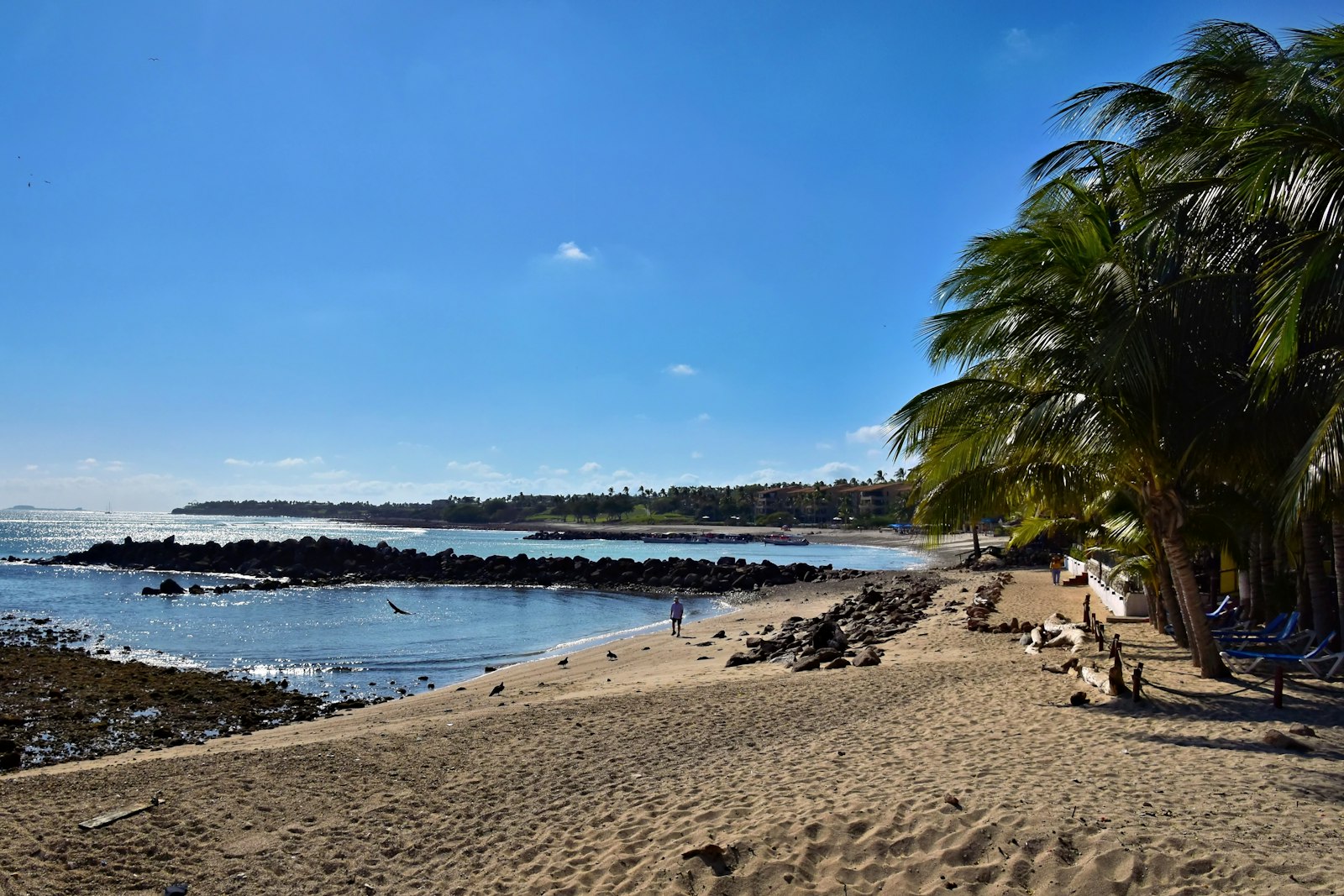
Meeting people in Poipu looks easy from the outside. The beach parks are busy, something is always happening, and still, meeting people in Poipu defeats plenty of new residents for most of a year. The reason is arithmetic. A large share of the people in front of you are here for a week and then gone, so the things you would normally use to meet someone are running at visitor speed. Visitor speed is friendly and produces nothing that lasts.
The resident-to-visitor ratio is the fact everything else sits on
Much of what looks like public life down here is visitor-facing, and telling the difference is the first skill you need.
You learn it by noticing. The same stretch of sand holds two different crowds depending on the hour. Early morning is residents: swimmers, walkers, people with a dog and a routine, the same faces in the same order. By mid-morning the lot fills and the place turns over. At dusk on a weekday the residents are back, cooler and folding chair, kids obviously on a school night.
So adjust your clock and where you stand. The resort corridor is built for people staying in it; the county parks and ball fields are built for people who live here. Show up only when the strip is busiest and you will meet a hundred people and know none of them by next spring.
Half your neighbors work while you are free
This is a hospitality district: a large share of the people around you work evenings, weekends and holidays, so a weekend night is the worst thing you can propose.
Consider who staffs the south shore: front desks, kitchens, housekeeping, tours, grounds crews, retail. Those jobs run when everyone else is off. Someone on that schedule has a weekend in the middle of the week, and watches most invitations land on a night they cannot go.
Once you know that, you become much easier to be friends with. Propose a weekday morning swim. Ask what someone's days off are before you name a time; that one question is the difference between being included and never quite getting a yes. Holidays run backwards here too: when the island is busiest, your neighbors are working hardest.
Meeting people in Poipu really means going to Kōloa
The social infrastructure here is institutional — parks, youth sports, churches, a plantation-era history that still organizes families — and none of it is on the resort strip.
Go inland and the district changes character almost immediately. Kōloa town and the neighborhoods around it are an old sugar place, and families here have been connected for generations through work, church and marriage. That history is not decoration: it explains why introductions run through someone's aunty rather than an event, and why "who are your people" is a real question.
The entry points are unglamorous and reliable: youth sports, where a parent on the sideline every week becomes a known quantity faster than by any other route; the churches, which still do much of the organizing; and the county parks, where pavilions, fields and courts carry the scheduled life of the district. Facility use, permits and closures run through the County of Kauaʻi's Parks and Recreation department, and what is open changes, so check before building a plan around a space. These are the patterns behind what works anywhere on Kauaʻi.
Dry weather is a genuine social advantage
The weather here holds, and a plan that holds is one people learn to trust you about.
This island has places where an outdoor invitation is a coin flip and everybody knows it. Poʻipū is not one of them. It sits dry and sunny, and the default is that the plan you named out loud still happens.
Friendship is mostly repetition, and repetition needs plans that survive. Being the person whose walk or swim actually happens, week after week, beats having the best ideas — a favor the wetter side of the island does not get.
The drive quietly decides who your friends are
Līhuʻe is an easy run and the north shore is not, so your social circle will bend toward town whether you plan it that way or not.
Everything administrative, medical and commercial pulls east, and that trip is short enough that you make it without thinking. The north shore is a different proposition: a long drive on a highway that flooding and landslides have closed before, so check the state's road advisories first. Anyone out there is doing the same math about coming to you.
Friendships that need that drive both ways rarely survive the second month, and the west side is closer and still far enough to matter. Build your week around what is close to home and treat the rest as an occasion.
Proving you live here is most of the work
Where nearly everyone around you is temporary, the most valuable thing you can signal is that you will still be here next year.
You cannot announce it: saying "I live here" convinces nobody, because visitors say versions of that too. What works is showing up in the same place on the same rhythm until you stop reading as one. Same beach park at the same early hour. Same court, same bleacher. Six weeks of that does more than any conversation will.
The fastest way there is to stop waiting to be invited and put the plan up yourself. You are already walking the park early, already swimming before work, already firing up a grill on your day off midweek. Share the spare seat and let nearby members ask to come. Meeting people in Poipu comes down to that, and here it works because your plans hold: you say the time out loud, the weather cooperates, and the third time someone shows up they are not a stranger any more.
Cover photo by Jeffrey Eisen on Unsplash.