
Living on Kauai's west side, where everything is an hour away
The west side of Kauai is written about as a day trip. Living there is a different problem: everything is an hour away, and a plan has to be worth the drive.
By YKnot Admin · · 7 min read
Search for the west side of Kauaʻi and you get a canyon lookout, a boat tour out of Port Allen, and a beach with green glass in the sand — all of it written for someone who will be here Thursday and gone by Sunday.
If you took a job at this end of the island — a tour at the missile range, a two-year contract, a seed field, a classroom, a shift at the hospital in Waimea — you have a different problem, and nobody writes it down.
The west side is not far from things. It is far from things in a way that quietly reorganizes your week.
The road ends here, and that changes the arithmetic
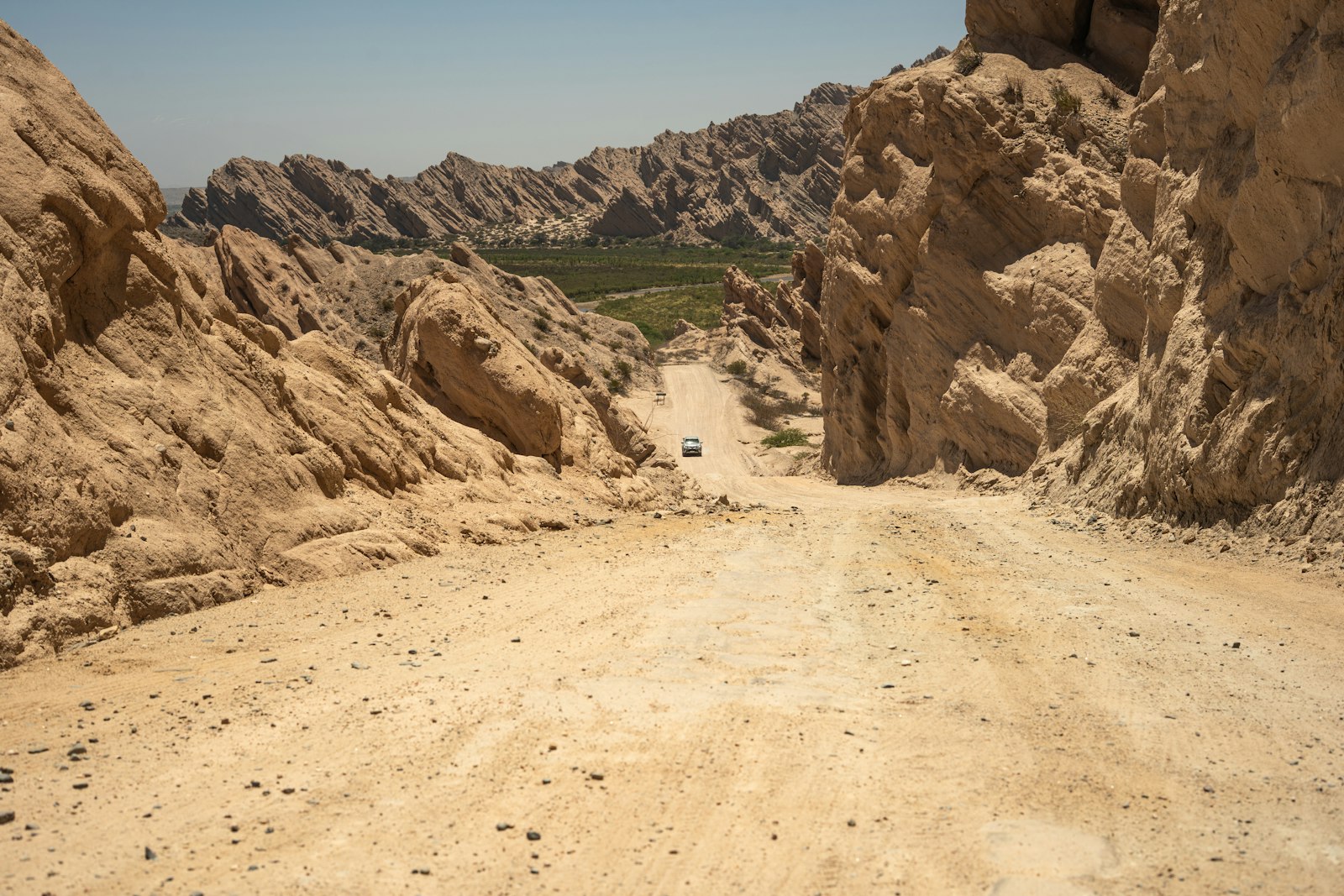
Kaumualiʻi Highway runs the length of the south and west shore, out past Kekaha, and then stops. That is the road; there is no second one. Beyond the pavement, the track toward Polihale is a decision about your suspension, and inland the only way up is the climb to Kōkeʻe.
Everything the island keeps in one copy is at the other end of it. The airport. Costco. The big-box hardware. The DMV line. The specialist appointment. So west-side life develops a habit the east side never thinks about: you batch. Nobody drives to Līhuʻe for one thing. You go when four things have piled up.
Apply that to a social calendar. A Wednesday dinner in Kapaʻa is not a dinner, it is an evening — down the hill through Kalāheo, into the Puhi stretch at exactly the hour everyone else is in it, and the whole thing again in the dark. You will do it twice and then stop, and you will not notice you stopped.
So: your weeknights happen between ʻEleʻele and Kekaha or they do not happen. The rest of the island is a Saturday, and it has to be a Saturday you decided on in advance.
Two populations, one road, almost no overlap
Waimea is a town of around two thousand people. Kekaha is about the same again, Hanapēpē a little under three. These are plantation towns that outlived the plantation — the mills closed and the families who worked them mostly stayed. Waimea High School functions here the way a town square does elsewhere: everyone's cousin went, everyone knows the coach, Friday night is a community event rather than a school one.
That is the first population: settled, related to itself, its weeks allocated a generation ago.
The second arrives on orders. The range at Barking Sands sits up the coast from Kekaha, with tracking and instrumentation sites strung along the ridges above it. There is housing on base, but not much — most people attached to that operation rent in Kekaha, Waimea or ʻEleʻele. Add the contractors on short scopes, the seed and agricultural staff, the travelling clinical people, and you get a second community the size of a small town, turning over continuously.
The two overlap at the grocery store, the beach park and the elementary school gate. Beyond that, almost not at all.
Neither side is doing anything wrong. The settled half is not excluding you; it is full, in the specific way a small town is full. The rotating half is not unfriendly; it is running the same short clock you are, and the people who landed a year ahead of you already made their arrangements.
What that produces is a place where you can live for a year, be treated perfectly well every single day, and still have nothing on the calendar for Saturday.
What actually repeats out here
The fix is not more effort. It is picking one thing that happens on a schedule, close to home, and going to it enough times that people stop registering you as new.
Kekaha Beach Park at the end of the day. The stretch west of town faces straight at Niʻihau. It is not a destination, which is the point — it is where west-side people are at that hour, the same trucks in the same spots. Go at the same time often enough and you will be nodded at, then talked to, then asked something.
An evening in Hanapēpē. The town runs a night on the old main street most weeks — galleries and shops open late, and the place works like a street rather than a row of buildings. Check before you drive out; it has changed shape more than once. Talk Story down there bills itself as the westernmost bookstore in the country.
Waimea Town Celebration. It runs for the better part of a week each year and has for decades — rodeo, canoe races, music, the whole west side in one place. Attending it is pleasant. Working it is the actual move: a volunteer crew puts you next to somebody for six hours, which does more than six months of being polite at the same counter.
Kōkeʻe, treated as a backyard. Up the hill there is a whole network of trails, and residents use them differently from the people who drive up for the lookout: own weather, cold, useful hours early. A standing Saturday-morning habit up there is genuinely easier from the west side than from anywhere else on Kauaʻi.
Anything with a season. Paddling clubs, youth sports, church, the volunteer crews that work the shoreline and the valleys. A season puts you in the same place at the same time whether or not you feel like it that week. Ask which clubs launch from this end of the island, and when they take new people.
Use the rotation instead of waiting it out
If you are here on orders or on a contract, you arrived knowing nobody — no cousins here, no family to absorb you on a Sunday — and you have an end date, which makes the whole thing feel provisional. A lot of people quietly decide to serve the tour and do their real living when they get back. That is two years. Not a small thing to write off.
The rotation is also the easiest cohort in the state to connect with, for the same reason it feels lonely: everyone in it is new on a rolling basis. It has its own infrastructure, and it is physical. The same rentals in Kekaha and ʻEleʻele change hands directly between the family leaving and the family arriving, usually before anything gets listed. The truck, the boards and the beach chairs get resold down that same chain every cycle. Ask about the handoff early and you are talking to someone on their way out, who knows everything and has nothing left to protect.
They will not ask you first, though — nobody asks first, and that is the whole reason this is hard. Be the one who proposes something specific: a named place, a real hour, a spare seat in the truck. An open-ended plan is not something a stranger can say yes to.
One more thing, said plainly: do not build a life made only of other people on orders. It rotates out from under you, on a schedule, and then you are new again in your own town. Your own crowd — range side, seed side — is easy to find, because it is standing at the beach park at pau hana. The settled half is standing there too, and takes longer. One friend from that half changes the entire island, because they know which road is passable, whose uncle to call, when the surf is wrong, and where you are welcome and where you are not.
A plan has to be worth the drive
An hour each way means vagueness dies. "We should do something sometime" will not survive that distance. A plan with a time on it and a seat in it survives easily — and the drive stops being a cost the second time you do it with someone else in the car: an hour out and an hour back is two hours of conversation the east side has to schedule separately.
On this end of the island you will almost always be the one posting rather than the one joining. Post it anyway — a seat with a time on it is the thing a stranger can say yes to.
So the answer is not to try harder. It is to plan fewer things, further ahead, closer to home, and to be the person who puts the first one on the calendar.
YKnot is built for exactly that gap: people here post plans they're already going to — a hike, a dinner, a paddle — with a spare seat, and you ask to join. It's members-only and everyone's ID-verified, so you know who you're connecting with.
See what's happening on Oahu →
Cover photo by Mauro Mathys on Unsplash.