
Living in Kapaa and Lihue: the side of Kauai that goes to work
Kauai's east side holds most of the island's working population and gets written about as a coastline. What living in Kapaa and Lihue is actually like.
By YKnot Admin · · 7 min read
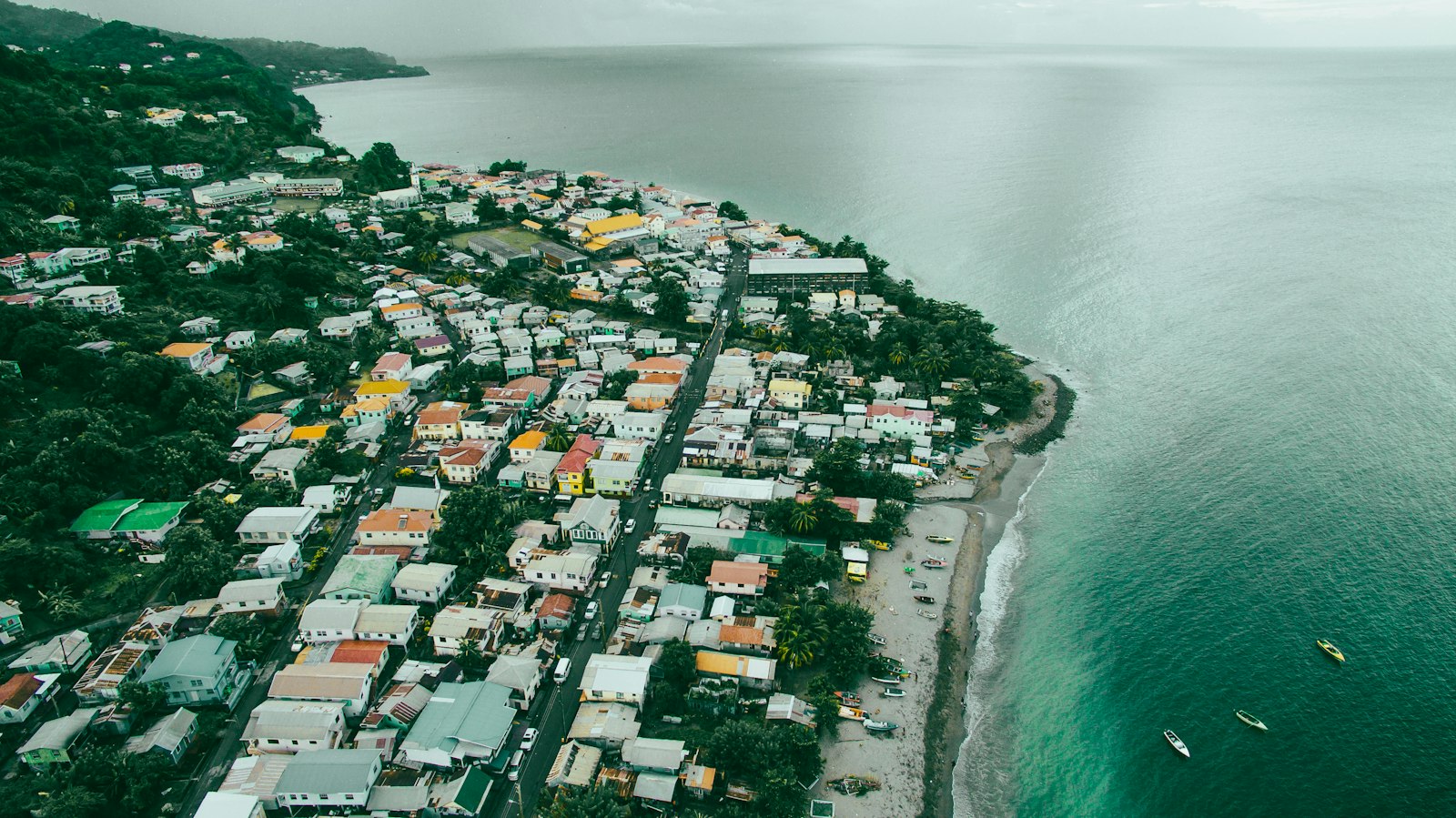
Nobody here says they live on Kauaʻi. They say east side, north shore, west side, south shore — and the answer tells you where they shop, which highway they sit in, and how likely you are to run into them on a Tuesday.
If you took a job on this island, there is a good chance you landed on the east side by default, because that is where the work and the housing are. The corridor from Līhuʻe up through Puhi, Wailua and Kapaʻa is the closest thing Kauaʻi has to a city, and it is written about almost entirely as the Royal Coconut Coast — a strip of hotels and a bike path.
That is the visitor version. The resident version is a working corridor where about half the island's population lives, and it has its own rhythm that nobody writes down.
Līhuʻe is where the island works, Kapaʻa is where it sleeps
Līhuʻe holds the county buildings, the airport, the harbor at Nāwiliwili, Wilcox and the clinics around it, Kukui Grove, and the community college out at Puhi. It is a working town rather than a pretty one, and it empties in the evening.
Kapaʻa is the other end of the same equation: the most populated town on the island, plantation-era houses and newer subdivisions climbing up toward Kapahi, most of the groceries, most of the renters, most of the people in their twenties and thirties who are not here on holiday.
Between them is one highway and a famous traffic pattern. The Kapaʻa crawl is not a rumor — Kūhiō Highway is the only real route, it carries commuters and rental cars on the same asphalt, and it bunches hard heading into Līhuʻe in the morning and out of it in the late afternoon. The bypass around Kapaʻa and Waipouli exists and locals use it as a matter of course; if you are still sitting in the middle of town at the wrong hour, that is a tell.
The practical effect on your social life is simple: a weeknight plan that requires crossing the corridor at rush hour will quietly stop happening. Not because anyone lost interest. Because after nine hours and a crawl, nobody is driving another forty minutes. Build your weeknights inside the corridor you already live in, and save Hanalei and Poʻipū for Saturdays you actually planned.
Kauaʻi is not unfriendly. It is already full.
Here is the part the relocation blogs will not tell you.
You will be treated well from the day you arrive. People will wave you in, ask where you work, know your landlord's family. You will mistake that for the beginning of a friendship, and then six months pass and your phone is silent on a Friday.
Small-island warmth and small-island access are two different things. An island of roughly seventy thousand people has had a long time to allocate its weeks. Your neighbor's Saturday has belonged to the same three families since before you moved here. The crew at practice has been the crew at practice for a decade. There is no gate and nobody is keeping you out — there is simply no empty slot, and an invitation to you has to displace something that already exists.
That is a harder problem than shyness and it has a different solution. You are not trying to be liked. You are trying to be the obvious person to call when a slot opens.
The broader version of that argument is in how to make friends on Kauaʻi; the newcomer timeline is in moving to Kauaʻi alone. This piece is about where on the east side that repetition is actually available.
The east side repeats itself in about six places
The corridor has real structure. Almost all of it runs on a schedule, which is the only thing that matters.
The path. Ke Ala Hele Makalae runs up the coast from around Lydgate through Kapaʻa toward Kealia and the Paliku end. It is a commuter and dog-walking and stroller path early and a visitor path later, and those two populations barely overlap. Go before work, go at the same hour, use the same stretch, and inside a fortnight the same faces will nod at you. That nod is not friendship, but it is the raw material.
The markets. The county sunshine markets are the closest thing Kauaʻi has to a standing appointment — the Kapaʻa one in the middle of town and the Līhuʻe one in the stadium lot are the two big ones on this side, they start on a whistle, and the good stuff is gone quickly. Check the county's own listing for the current days rather than anything you read secondhand; the schedule and the island-wide rotation are covered in the Kauaʻi farmers markets guide.
The mountain. Nounou East, the Sleeping Giant trail, starts on Haleʻilio Road in the Wailua Houselots — a residential street with shoulder parking and no proper lot, which is exactly why the regulars go early and the tour crowd arrives later. It is the east side's default before-work hike, and the people doing it twice a week are the people you want.
The clubs. Puʻuwai paddles out of the Wailua River mouth and Kaiola out of Niumalu behind Nāwiliwili. A canoe club is the strongest structure on this island for a newcomer: a fixed practice schedule, a season, a crew that has to learn your name because you share a hull. Novice paddlers are normal. What varies is when a club takes new people and whether there is room, so ask the club rather than assuming. If you are chasing an outdoor partner more than a club, that is its own piece.
The work days. Mālama Hulēʻia runs community workdays at the Alakoko fishpond above Nāwiliwili, clearing mangrove out of a wall that has been there for centuries. Four hours of that beside people who have been here forty years does more for you than a year of being polite at the same coffee counter. Sign-ups and dates move, so check their page before you plan around it.
The first Saturday. Old Kapaʻa Town closes down for an art walk once a month — music, vendors, restaurants open late, and most of the east side walking the same three blocks. It is the one evening a month when the corridor is reliably out of the house at the same time.
You do not need a network here. You need two people.
On a mainland scale you would be told to build a social circle. That advice is wrong on Kauaʻi, and the reason is arithmetic.
This island is small enough that two well-placed people is a complete solution. One person who paddles, or coaches, or works at the county, or grew up in Kapahi, is connected to most of what you would ever want to be invited to. Two people who will actually answer a text is not a modest goal on Kauaʻi — it is the whole thing.
So stop trying to be everywhere. Pick two of the six things above, do them on a schedule until someone notices you have stopped being new, and then do the unglamorous bit: be the one who proposes something specific. Not "we should hang out sometime." A real plan, a real hour, a named place — "I'm walking the path at six on Thursday, come" — because a specific ask is something a full week can actually make room for, and a vague one is not.
The other thing small islands punish is unreliability. Turn up when you said you would, return what you borrowed, take the bad job at the cleanup. Everyone finds out either way — that is the cost of living somewhere this legible, and it is also the shortcut.
YKnot is built for exactly that gap: people here post plans they're already going to — a hike, a dinner, a paddle — with a spare seat, and you ask to join. It's members-only and everyone's ID-verified, so you know who you're connecting with.
Worth saying plainly: Kauaʻi is early ground and Oʻahu holds most of the activity today. On this side that means the useful move is posting one rather than waiting for one.
See what's happening in Hawaii →
Cover photo by Hugh Whyte on Unsplash.