
Things To Do
Meeting people in Manoa when the valley goes quiet
A rainy valley with one road in, a university at the center, and two populations that barely overlap. How residents actually meet each other here.
By YKnot Admin · · 5 min read
Two populations share this valley and barely touch. One has been in the same house for thirty or fifty years, sends kids to the elementary school their parents went to, and has a whole life already staffed. The other arrives in August, rents within a few blocks of campus, and is gone in two or four years. That gap, rather than any shortage of friendliness, is what makes meeting people in Manoa hard: you can live here a long time and know the first group only as cars reversing out of driveways at seven. Mānoa is ten minutes from town and feels like a different island, and that cuts both ways.
The rain sets the schedule, not your calendar
If you plan around clear weather, you will cancel most of the year.
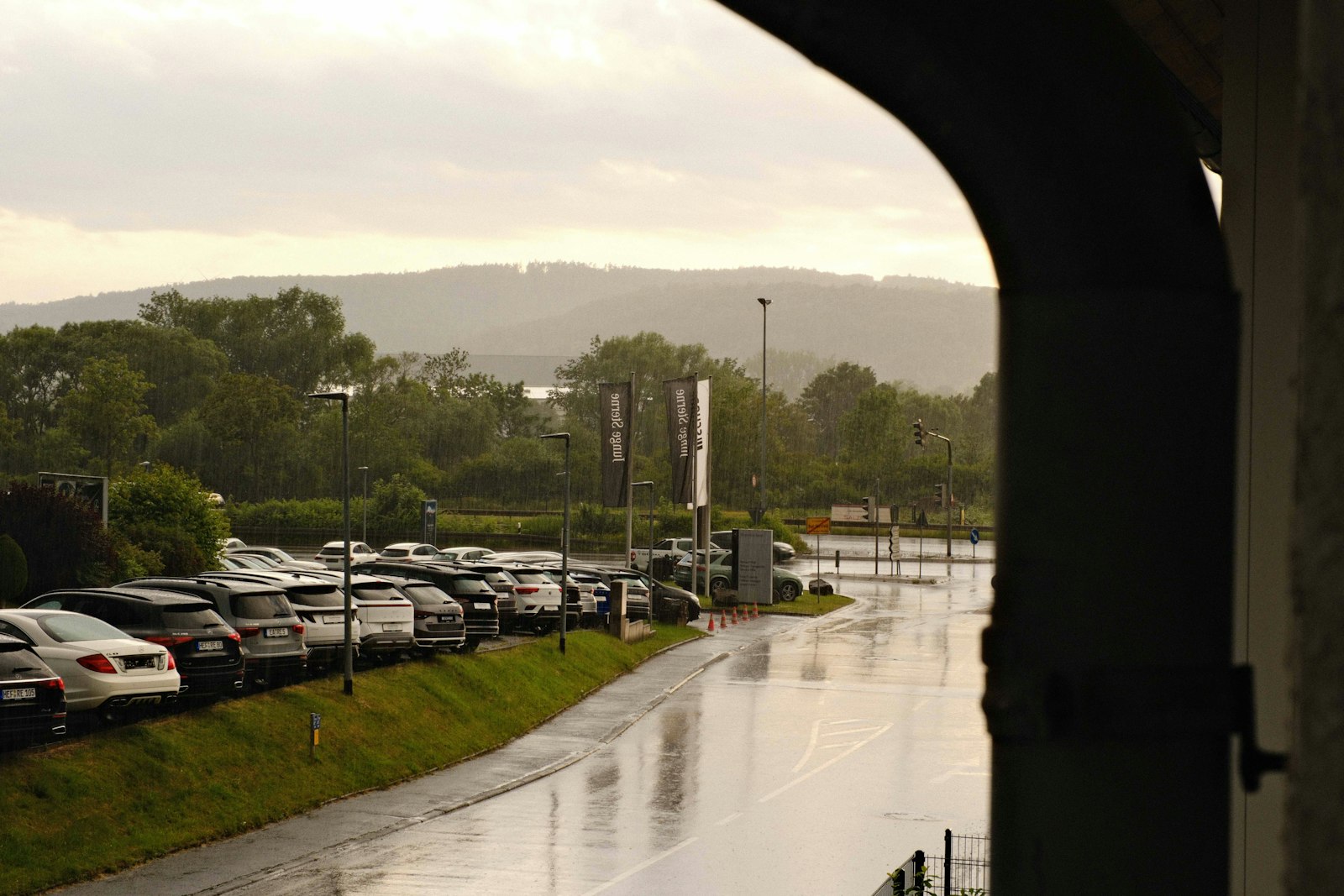
The back of the valley is meaningfully wetter than the bottom of it, and the wet part of the day is usually the afternoon. That is not a complaint; it is a scheduling fact every long-term resident has quietly organized their life around. Mornings are when things happen here — the walk, the run, the market, the trail, the coffee before work. By three the cloud has often settled over the back of the valley and whatever you were going to do outside has become a different plan.
The practical version: stop treating rain as a reason to call something off. People who have been here a while go anyway, in a hat, and the plan holds. People who reschedule for weather end up with a calendar of things that never happen. It is also why one reliable indoor thing — a class, a game night, a standing table under a roof — is worth more in Mānoa than in drier parts of the island.
One road in is why it feels separate
Nobody passes through Mānoa. You either live here or you drove here on purpose.
The valley narrows as it climbs, and the ways in and out funnel through the same few streets down to King. That geography is most of the neighborhood's character: no through traffic, no crowd washing in from somewhere else, which means anyone you see twice genuinely lives, works or studies within a mile of you.
The trade is that nothing arrives by accident. A neighborhood with no passing trade produces no chance encounters; it only rewards showing up at the same place at the same hour until you are a face. And the ten-minute drive out to Mōʻiliʻili or Kaimukī is short on the map and long in practice, because after seven at night almost nobody wants to move the car again. Ten walkable blocks of small rooms is exactly what Kaimukī is good for, and it is exactly what the valley does not have.
Meeting people in Manoa means using the campus as public infrastructure
You do not have to be enrolled to use most of what the university puts in this valley.
The campus is the largest piece of public life within walking distance of most Mānoa addresses, and residents chronically under-use it. The library, public lectures and seminars, film screenings, East-West Center programming, athletics at the arena, the arboretum at the back of the valley, the campus itself as a walking loop in the evening. Access rules differ by building and they change, so check the current ones rather than what a neighbor told you in 2019: some things are open to anyone, some want a community card or a ticket.
The useful habit is subscribing to the campus events calendar the way you would a venue's. It is the densest listing of things happening within a mile of your house, and nobody there expects you to belong to the department hosting it. Turning up alone to a public lecture is unremarkable. Turning up to the same series three times is how the person who also comes every time starts talking to you.
That is the neighbor's version of the campus. If you are the student rather than the resident, the wiring works differently and transferring into UH Mānoa is its own problem.
The bottom of the valley and the trail at the top
The shops at the bottom are where you slowly become a regular. The trail at the top is where you get mistaken for a visitor.
Mānoa Marketplace and the small businesses around it are the closest thing the valley has to a town square — a supermarket, a drugstore, a handful of counters, and a farmers market whose day and hours you should confirm before planning around it. None of it is exciting and that is the point. Becoming a regular is a slow mechanical process: same place, same hour, eight or ten weeks, and one day the person behind the counter starts the conversation instead of you. The same logic runs through every farmers market on the island.
The top of the valley is the opposite. Mānoa Falls pulls a steady stream of rental cars up a residential street, which shapes how people here feel about trail traffic. Park where you are supposed to, move quietly at seven in the morning, and do not add to the thing residents are tired of. And if what you actually want is a walk with somebody, take the quieter options — Puʻu Pia, which starts in the valley, or the Mānoa Cliff trail up on Tantalus, neither of which is in the visitor stream. Trail conditions and closures are the state's to announce, through the state trail system, Na Ala Hele and its Nā Ala Hele trail program, and worth checking after a week of heavy rain.
No passing trade means nothing reaches you here by accident. Everything on a Mānoa calendar got there because somebody put it there, and for most people that somebody is only ever their own household. YKnot widens the list: members post a morning walk, a table, a swim they had already committed to, note that there is room, and choose who takes it. Members only, everyone ID-verified, and the meeting spot follows the host's yes.
See what's happening on Oahu →
Cover photo by Arlind Photography on Unsplash.