
New in Hawaii
Transferring to UH Manoa when everyone already has their people
Transfers and grad students arrive after the bonding is finished. Why UH Manoa's social wiring skips you, and what works instead of waiting.
By YKnot Admin · · 5 min read
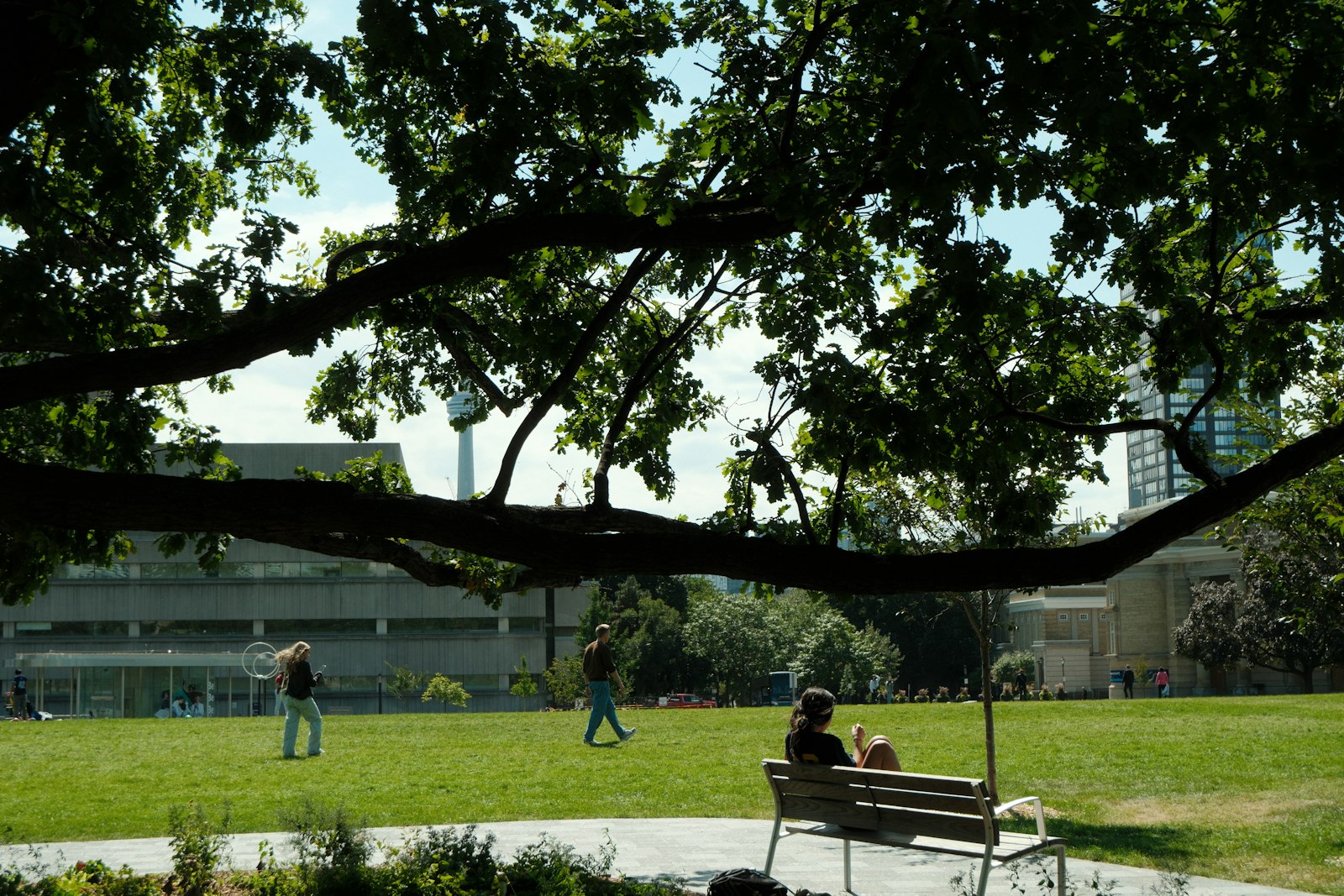
Freshmen get a machine built for this. Move-in day, a floor of strangers who have to learn each other's names, orientation groups, a first semester where nobody knows anybody so everybody talks. By November they have a group chat and a table they sit at. Transferring into UH Manoa, you arrive once all of that has already happened.
You got a registration window and a parking situation.
That is the actual difference between transferring in and starting here, and almost nothing on campus is designed to correct it. Nobody is going to sit you down with eleven other people and make you introduce yourselves. If you are a grad student, it is sharper still: your cohort might be five people, two of whom already live with their partners and one of whom drives in from ʻEwa.
Year one does the social work, and nobody does it for you
The bonding on a campus is front-loaded. It happens in the specific months when everyone is equally lost, and it produces groups that are perfectly friendly to you afterward and completely full.
This is worth naming plainly because otherwise you take it personally. People in your 300-level class are not cold. They met in 2023 in a dorm hallway and they eat lunch with those people. You are showing up to a room where the social part already resolved.
So stop expecting proximity to do it. Sitting next to someone for fifteen weeks produces a nodding acquaintance and, at the end, nothing. That is not a failure of effort. It is what classes produce.
UH Manoa empties out in the afternoon
A large share of students here drive or bus in, go to class, and leave. They have families, jobs in town, a commute over the Pali or up from Kapolei, a whole life that is not on campus. The valley is not a small town that stays lit after dark; it is a place a lot of people exit at two in the afternoon.
Practically, that means the hours when a campus normally does its socializing are thin. If your plan is "I'll just be around and something will happen," you are going to be around alone.
It also means you have to go get people during the window they are actually there — between classes, on the lawn near Campus Center, at the rec center at the hour it fills. Or you accept that your social life happens off campus, in Mōʻiliʻili and Kaimukī and at the beach, which is fine, but it will not happen by accident either.
Join something with a roster
Here is the thing that separates the people for whom Mānoa works from the people who spend two years lonely: they joined something where their absence would be noticed.
Not a class. A roster. A student org with officers and a meeting time. An intramural team that needs you to field six. A lab group that eats together. A paddling club. A church. A weekly practice, a standing shift, a thing with a sign-up sheet and your name on it.
The mechanism is simple. A roster creates repeat contact you did not have to negotiate each time, and repeat contact is the only reliable way adults become friends. A club that meets Tuesdays gives you twelve Tuesdays. Twelve is enough. One coffee is not, which is the same reason making friends in Honolulu generally rewards recurring things over interesting ones.
If nothing on the org list fits, go one ring out: a drop-in fitness class you attend at the same hour every week, or a paddling club, which is about as fast as strangers turn into people who text you.
The part about who grew up here
You are on a campus where some people's families have been on this island for generations and some people landed six weeks ago, and those two groups often do not mix much. Nobody is being excluded. It is just that one group has cousins and a home church and a high school class here, and the other group is looking for something to do on a Friday.
Two honest notes. First, if you are from the mainland, resist the pull to build your entire life out of other mainland transplants — it is the easiest thing to do and it keeps you a visitor for four years. Second, do not perform. Do not adopt pidgin you did not grow up with, do not make being new your whole personality, do not announce your opinion of Hawaiʻi after one semester. Learn to say people's names correctly. Ask specific questions. Show up a second and a third time. That is the whole of what anyone is asking of you.
The weekends the dorms empty out
Nobody warns you about the in-between weekends. Long weekends, the week before finals, the stretch after commencement when the residence halls thin out and the local students go home to Kāneʻohe or Hilo or Kahului and campus goes quiet in a way that feels personal at 11am on a Saturday.
Those are the weekends that decide how you feel about the whole year. The fix is unglamorous: have two or three people you can text a specific thing. A hike at 7, a plate lunch after, a swim at Ala Moana before the parking fills. Specific plans get answered. Open-ended ones sit there.
If you do not have those two or three people yet, that is a logistics problem in your first semester, not a verdict on you. It is also the problem everyone who just moved here is quietly working on at the same time.
You should not have to assemble a whole friend group before you can do anything on a Saturday. YKnot skips that step: members post plans they are already going to, with a seat open, and you ask for it. It is members-only, everyone on it is ID-verified, and the host decides who comes.
See what's happening on Oahu →
Cover photo by Harman Tatla on Unsplash.