
Things To Do
Meeting people in Kaimuki, and why a short street beats a whole town
Why Kaimuki works socially when Waikiki doesn't: ten walkable blocks, the same faces every week, and the second visit that turns a face into a name.
By YKnot Admin · · 5 min read
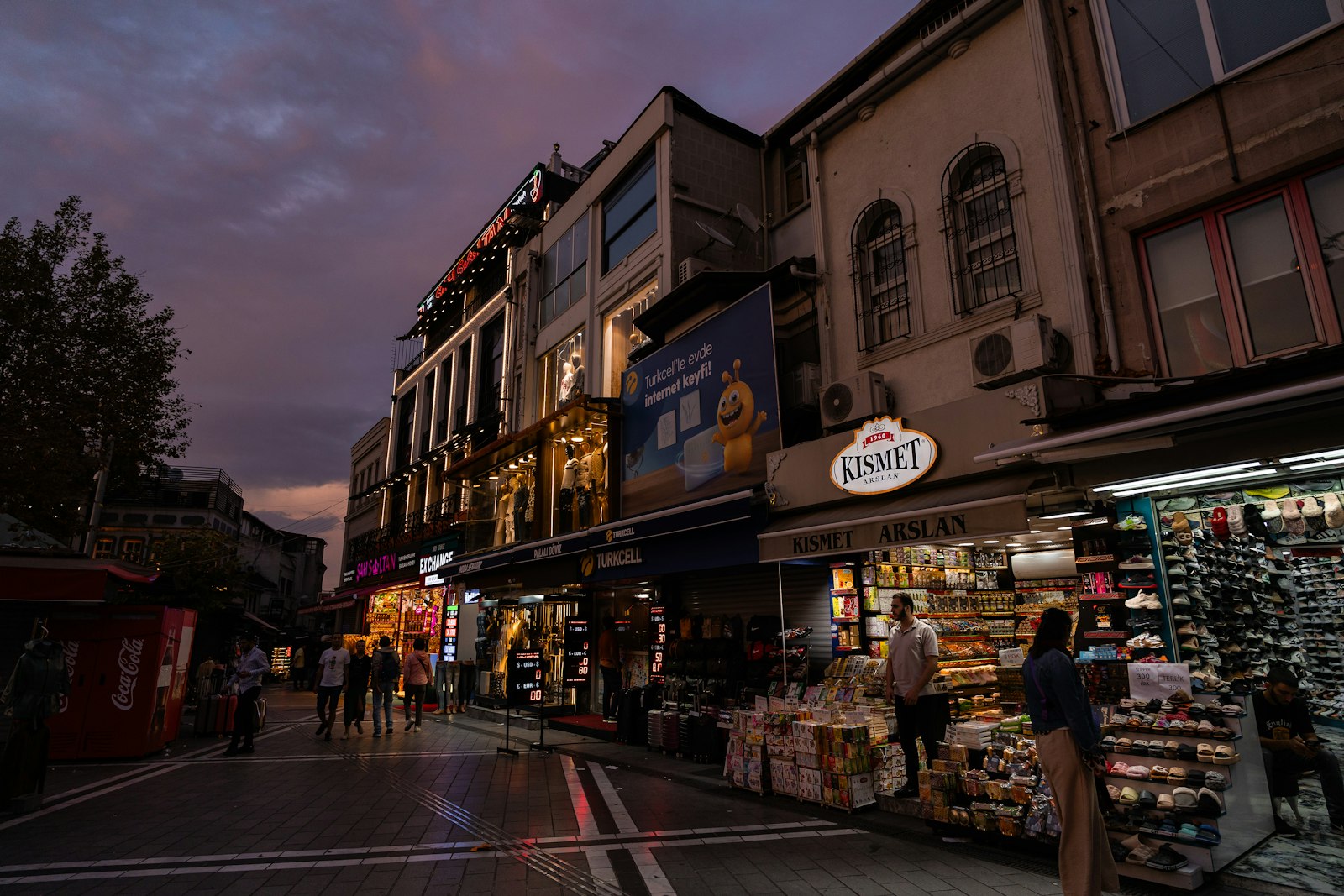
Meeting people in Kaimuki is not a volume problem, which is the reason Waikīkī has never worked for you and this neighborhood might. Waikīkī moves more bodies past you in one hour than Waiʻalae Avenue sees in a week, and not one of them will be standing there next Thursday. Kaimukī is about ten walkable blocks of small rooms where the same person is behind the same counter every week. That difference is the entire thing.
Waiʻalae Avenue is short, and that is the advantage
A strip you can walk end to end in twenty minutes produces repeat sightings. A destination does not.
The commercial spine runs along Waiʻalae Avenue roughly between Koko Head Avenue and 12th, with a little spilling a block up the side streets toward the library and Kaimukī High School. That is the whole district. You park once — street parking, and yes, you will circle — and then you walk, which means you pass the same storefronts twice in an evening and the same four or five rooms every week.
Compare that to how you actually use Ala Moana or Waikīkī. You drive into a structure, you go to exactly one place, you drive home. Nothing about that route lets a person see you twice, which is why so much of a night out here ends with nobody's name — see where locals actually hang out in Honolulu.
It is also one of the stretches you can reach without a car, since several routes run the length of Waiʻalae Avenue — check current routes and evening frequency on TheBus before you count on a late ride home.
The weeknight rhythm is the part that matters
Tuesday through Thursday, roughly six to nine, is when Kaimukī belongs to the people who live in it.
Friday and Saturday the neighborhood takes in the rest of town. The waits get long, the tables turn fast, the staff is underwater and nobody registers your face. You could go six Saturdays running and remain a stranger.
Midweek is a different room. Half-full, unhurried, and the person two seats down is there because they live four blocks up the hill. Sit at the counter or the bar rather than at a table — a table of one is a closed shape, a counter seat is an open one, and counter staff on a slow Wednesday will talk to you because talking to you is less boring than not.
Go at the same hour. Six-thirty on a Wednesday, four weeks running, is worth more than eight different places in a month. Cost matters here too, because a habit you can afford weekly beats an outing you can afford monthly, and Kaimukī is full of small kitchens in that range — cheap eats in Honolulu covers how to keep a weekly habit sustainable.
Meeting people in Kaimuki happens on the second visit, not the first
Nobody has ever made a friend on a first visit anywhere. What a first visit buys you is being seen once, and once is nothing. The ladder in a neighborhood this size is short and it is predictable: the nod, then the nod with a hello, then they start your order before you say it, then they ask how your week went, then they introduce you to the other regular who is always in at the same hour.
That is roughly four to six weeks of showing up, and the only thing that speeds it up is saying your name out loud, unprompted, more than once. Nobody catches it the first time. Almost nobody asks again.
Two honest caveats. A neighborhood gets you recognition, not invitations, and nobody hands over the second one — somebody has to say a specific sentence out loud, and since you are the one who wants it, that is you. And friendliness across a counter is warm and it is also a job. The people you are actually after are the other customers.
Become a regular somewhere small instead of trying everywhere once
Pick one room and over-index on it.
The coffee shop version of this is the strongest, because a coffee shop is the only room in Kaimukī where sitting for two hours is normal behavior. People work, read, and linger, and lingering is what lets a conversation start without either of you having engineered it. A restaurant gives you ninety minutes and a check; a coffee counter gives you a Saturday morning with no clock on it.
Give yourself a standing reason to be in the neighborhood, so it is not a decision you have to make each week. The Saturday morning market at the Kapiʻolani Community College lot sits right at the Diamond Head end, and walking up to Waiʻalae afterward makes a two-stop routine out of something you were doing anyway — more on that morning in the KCC farmers market on a Saturday.
One last thing to be clear-eyed about: Kaimukī turns over. Rents move, kitchens close, and the room you chose may not be there in two years. The regulars usually are, though. They just move down the block, and by then you are one of the people who knows where they went.
Ten blocks will get you recognized. The invitation is the thing they cannot give you, and it is the only thing YKnot does: a weeknight table, a walk up Diamond Head, a paddle — posted by the member already going, with the spare seats counted honestly. You request a seat, they choose. Everybody there is ID-verified, and the address comes with the acceptance.
See what's happening on Oahu →
Cover photo by Anna Polushina on Unsplash.