
Things To Do
Pickleball and tennis in Honolulu: how to find someone to hit with
How to find someone to hit with in Honolulu — public court etiquette, being honest about your level, and turning a rotation into a standing weekly game.
By YKnot Admin · · 5 min read
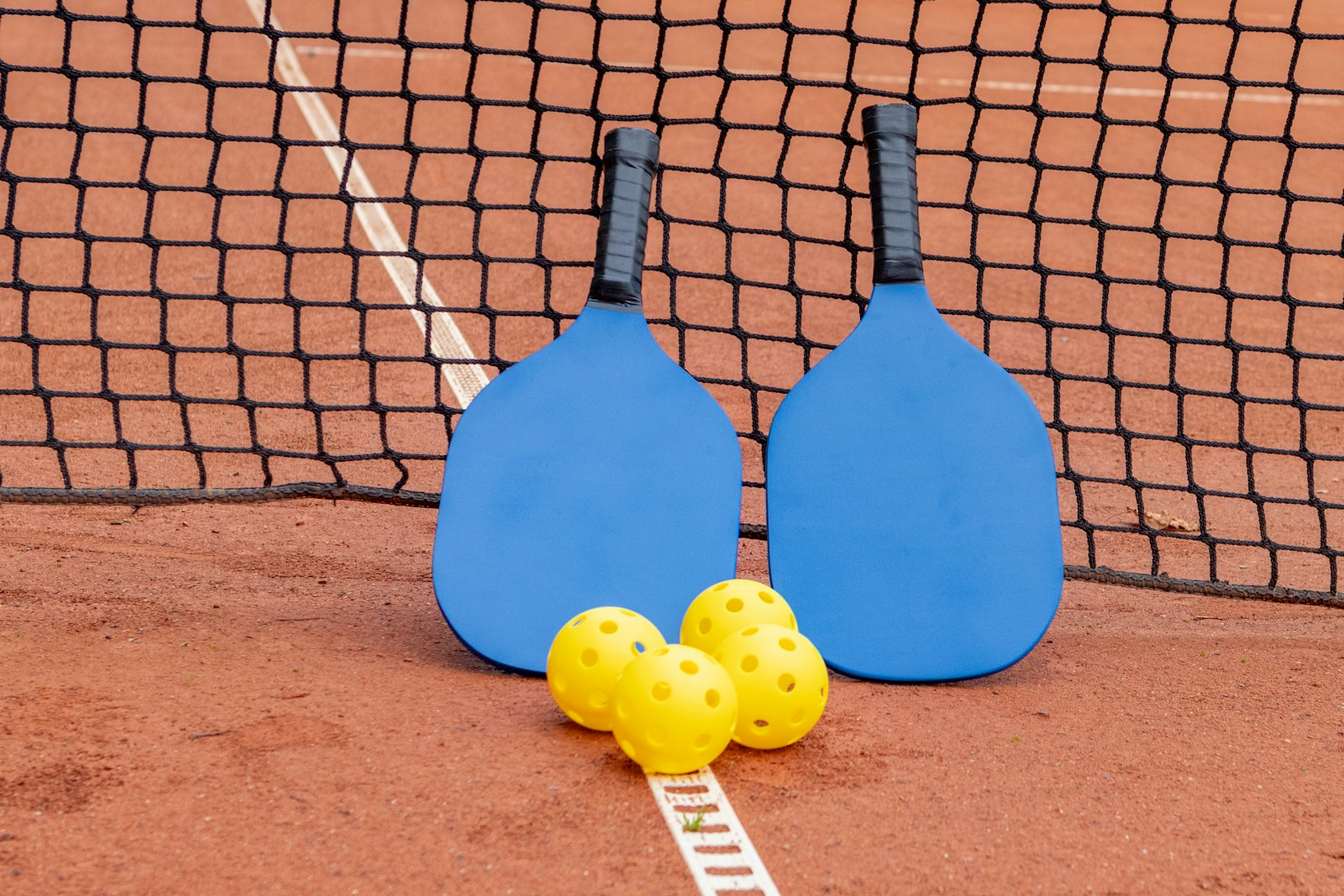
Most social problems are vague. This one has a number on it: one person for singles, three for doubles, four paddles for a rotation. Finding a pickleball partner is arithmetic before it is anything social. You are not short of a social life in the abstract — you are short of a specific count of people, at a specific court, at a specific hour.
That precision cuts both ways. "Be at the courts at 7 on Saturday, I need a fourth" is a bigger ask than "come to dinner" — and a much easier one to say yes to, because the role is defined. You hit, you keep score, you go get coffee or you don't. Clear start, clear end.
The public courts are the fastest way in, if you know how they work
Most of the people you want to play with are already standing around a public court waiting for a game. Honolulu has city courts through the district parks — Kapiʻolani Park near the Diamond Head end, Ala Moana, Makiki, Mānoa Valley, Kaimukī, Kailua and Kāneʻohe on the windward side, Central Oʻahu Regional Park out in Waipiʻo. Pickleball has spread across a lot of the same real estate, with lines added to existing courts and blocks of open play at certain parks on certain mornings. Which park, which morning, and whether nets are provided changes often enough that you should confirm before you drive.
Here's the etiquette a newcomer gets wrong, because nobody will explain it to you and several people will be quietly annoyed.
Pickleball open play: there's almost always a queue. You put your paddle in a rack or line it against the fence, and that line is the order of play. Don't set your paddle down and wander off to your car — if you're not there when it comes up, you've stalled four people. Games go to 11, win by 2 in most rotations, and at busy times all four come off and the next four go on. If you showed up with a friend, don't stack the line so you always play together. Splitting up is the fastest way to be read as a good hang.
Tennis: courts are first come, first served unless the park runs a sign-up sheet. The unwritten rule is that if people are waiting, you're on the clock — an hour is the usual courtesy, and some parks post their own limit, so read the sign. Either way it's worth saying out loud when someone walks up: "we started at 8, we'll be off by 9." Wait behind the fence, not on the court's back edge. Never walk behind a court while a point is live. If someone's ball comes to you, hold it until their rally ends, then roll it back along the ground.
And learn to ask. The whole social mechanism at a public court is one question: "how many are you?" Say it to a threesome and you'll usually get a game.
Tell a pickleball partner your actual level, out loud
The worst court experience in Honolulu is a mismatch, and it's almost always caused by politeness. Someone says "oh, I'm okay" when they mean four years of college tennis, or when they mean they've held a paddle twice. Either way a morning gets wasted — one person bored, the other embarrassed, and neither texts the other again.
So be specific and slightly unflattering about yourself. "I can rally about ten balls before I shank one" tells a stranger more than any self-rating. "I know the kitchen rule but my third shot is a lottery" is perfect. In pickleball people will ask for a DUPR number; if you don't have one, say how long you've played and whether it was in a real rotation or just with friends. Plenty of people will play down for a session with someone who's honest and doesn't apologize after every point. Almost nobody enjoys being ambushed.
A weekly hit turns into friendship faster than dinner does
Repetition does the work conversation can't. Two people who play the same court at the same hour every week rack up forty-odd sessions a year, most of them spent watching each other be slightly bad at something. You learn how someone handles frustration. You trade the small stuff — the job thing, the kid thing — during changeovers, which is an easier place to be honest than across a table. Same reason pickup sports on Oʻahu and drop-in fitness classes in Honolulu produce real friendships while one-off events don't: the format brings you back.
It also survives a bad week. Cancel dinner and you've cancelled the friendship's only contact. Miss a Tuesday hit and there's another Tuesday.
Turning someone you rotated in with into a standing game
You will play with people you like and never see again, because at a public court there's no natural moment to exchange anything. Make one, right after the last point while you're both packing up.
Say the concrete version: "Are you here most Saturdays? I'm trying to get a regular game going." Then propose an actual time. The vague version — "we should play again sometime" — hands the other person the scheduling, which is why it never converts.
Then be the one who confirms Friday night. For the first month you're the organizer whether you want to be or not. Once a game has run three or four weeks it stops needing you; someone else starts asking who's in. That's the moment it became a real thing, and it's worth the awkward month. If the first ask is the part you're stuck on, the general version of this problem is the same problem with fewer rules.
Being the fourth is easy. Finding the other three is where it stalls, so YKnot puts the game itself in front of you: a member posts the rotation or the 6:30 hit they're already driving to, with a spot open. You ask, they choose, and the court comes through once you're in. Everyone on there is ID-verified.