
Things To Do
How to find mahjong in Honolulu (and get asked back)
Mahjong here is older than the revival. How to find a game in Honolulu, learn the version that table plays, and actually get asked back.
By YKnot Admin · · 5 min read
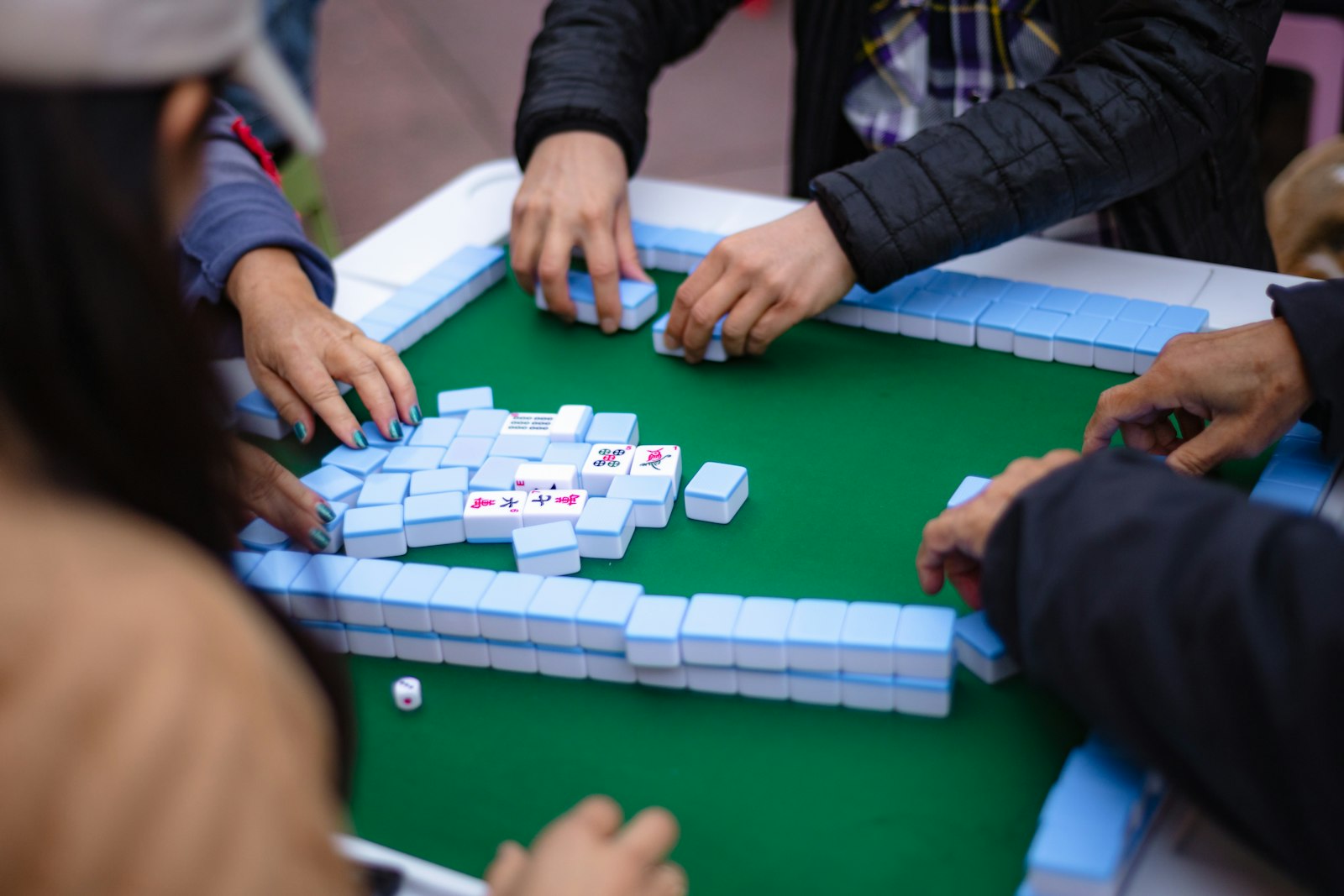
If you are hunting for mahjong in Honolulu, start by letting go of the idea that you are early to something. Mahjong in Honolulu has been running in living rooms and senior centers for generations, kept up by families who learned it long before the game turned up on a lifestyle magazine cover. What is newer is how many younger players now want a seat. That is where nearly all the friction comes from, and most of it is avoidable.
The game was here long before the revival
Mahjong in Honolulu is a family and community tradition first and a hobby scene second.
The game arrived here generations ago and stayed in the houses it landed in. For a lot of people, mahjong is not something you took up; it is a sound from childhood, a folding table that came out after dinner, an auntie who counted faster than anyone could follow. It lives in homes and community rooms, and it has never needed an audience.
The recent mainland revival is real, and it has brought younger players in. But it did not start the game. The documented history runs back to nineteenth-century China, and even the American craze this one echoes is about a hundred years old. Showing up as if you are introducing something is the wrong footing; showing up to learn from people who already know is the right one.
"Mahjong" is at least three different games
Turning up expecting one set of rules when the table plays another is the single most common newcomer mistake.
There are distinct traditions, and they are not interchangeable. Chinese styles, Japanese riichi and American mahjong differ in which tiles are in play, how hands are built and scored, how fast the pace runs, and what counts as good manners at the table. Some use tiles the others do not. The scoring systems are genuinely different, not variations on a theme.
This means the useful question is never "do you play mahjong." It is "which version do you play." Ask it plainly before you sit down. Nobody will think less of you, and it saves the table a muddled first hand spent untangling why you keep reaching for the wrong thing.
It also means picking one version and getting decently good at it rather than half-learning three. Learn whichever one the people you can actually reach already play. You earn a seat by being useful at one table, not vaguely familiar with all of them.
An established table owes you nothing
A game that has been running for years is a social institution with its own manners, not a class with an open enrollment.
The respectful route in is narrow and it works: ask, then watch. Sit behind someone for a session without talking. Notice how they shuffle, who speaks during a hand and who does not, how long a turn is expected to take. Most tables run on rhythms nobody has said out loud because everyone already knows them.
Then be patient about the seat. A full table is full, and someone has to want to move for you to join. That can take weeks. Offering to sit out, keep score, bring something, or come back next time is not groveling; it is how anyone enters a standing group. Accept a no gracefully, too. A table that is not taking new players is telling you something true about itself, not delivering a verdict on you.
The best player is often decades older than you
Treating an older player's mahjong as quaint is the fastest way to never be invited a second time.
Some of the sharpest players here are two or three generations ahead of you and have been reading tiles since before you were born. They will likely be faster than you, quieter than you, and much less interested in your enthusiasm than in whether you can keep up without slowing the hand.
Treat that as ordinary, because it is. Do not narrate them as characters. Ask before photographing anyone or their tiles. Learn names. If the table slips between languages, let it; it is not about you. Cross-generational friendship is one of the genuinely good things this island offers, and meeting people outside your own age bracket is a habit worth building anyway.
The newer, more casual tables
There is a second layer of tables where learning together is the entire point, and those are much easier to walk into.
Game shops with open play, library and community center programs, apartment lounges, and friends teaching each other are all built for beginners in a way a family table is not. The library system is the most reliable to check: branches across the islands run games programs, and beginner mahjong sessions turn up on the library events calendar, which filters by branch and category. Schedules shift constantly, so look before you drive out.
Some people who now play mahjong in Honolulu regularly came in through the wider board game nights scene and picked up a set from someone there.
These rooms are also a decent map of where locals actually spend unstructured time when they are not at the beach. Go twice before you judge the room. One visit tells you almost nothing.
Say out loud that you are looking
Most people who end up playing mahjong in Honolulu got there by telling someone they wanted a game.
Tell coworkers, tell the person at the counter where you bought your set, tell family. On YKnot you can put the plan up yourself and share the open seats, then see who nearby asks to join. Four of you learning one version at a kitchen table is already a real game.
Get a modest set, pick the version the people closest to you already play, and put in the hours it takes to stop being slow. That is the whole of it.
Cover photo by Jason Leung on Unsplash.