
New in Hawaii
Living on Kauai's north shore: the road is the whole story
One highway, a string of one-lane bridges, and a long drive to anything institutional. What living on Kauai's north shore actually asks of you.
By YKnot Admin · · 5 min read
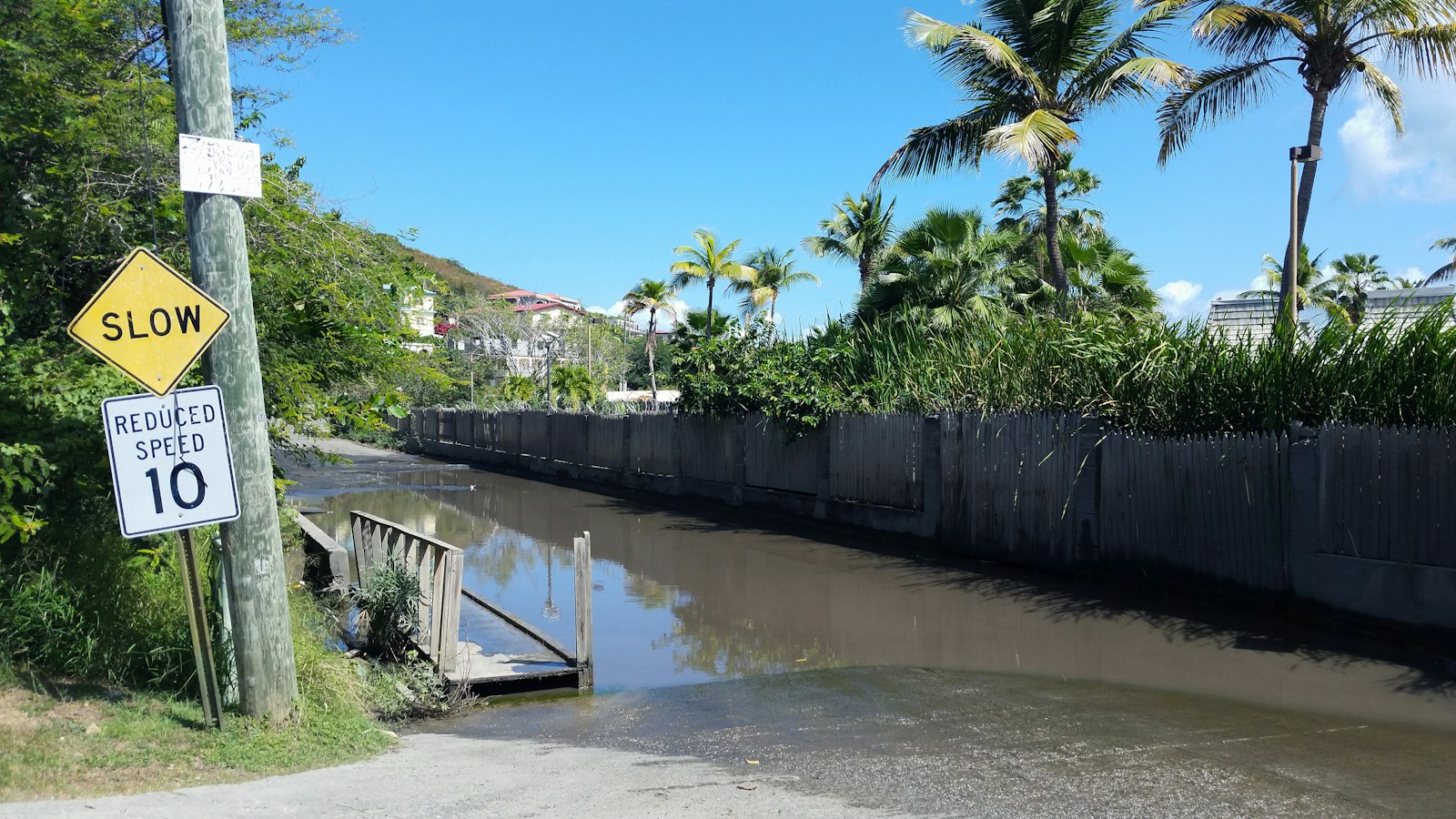
The view is not the hard part. Living on Kauai's north shore is a decision about one road before it is a decision about anything else, and that road sets everything downstream: how long an errand takes, how often you see anyone who lives elsewhere, whether you are still here in three years. Hanalei, Princeville, Kīlauea, Wainiha and Hāʻena sit on one highway strung with one-lane bridges, and past a certain point there is no way around.
The one-lane bridges are an agreement, not an obstacle
Those bridges are a piece of social infrastructure that happens to be made of concrete.
Kūhiō Highway narrows past Hanalei and stays narrow to the end of the road. The bridge convention is local custom: whoever reaches the span first has it, a handful of cars cross together, then that side yields back. You lift a hand off the wheel as you pass.
A driver who does not know it stops dead, waves cars through one at a time, and holds up everyone behind. You watch the patience drain out of a line of trucks.
The same argument runs through living on the North Shore of Oʻahu: fewer lanes, no alternate route, weather that closes the road outright.
Everything institutional is at the other end of the island
Līhuʻe holds most of what the island keeps only one of, and the drive there is long enough to reshape a week.
The island's main acute-care hospital. The only commercial airport. The big stores. Most of the jobs that come with benefits. The drive down hits the Kapaʻa corridor at exactly the hour everyone else is in it, so living on Kauai's north shore means your calendar bends around one trip rather than filling with small ones.
So people batch. Nobody makes a single-errand run to town; you let four things pile up and spend a day on all of them. It removes spontaneity — what the Kapaʻa and Līhuʻe side is like day to day is worth knowing before you pick an end of the island. The same math hits friendships: a weeknight dinner in town is most of an evening each way, so you do it twice and then stop.
The road has been cut before, and people plan like it
This coast has been physically isolated by flooding and landslide, and the residents who lived through it never stopped preparing.
Heavy rain here arrives all at once: streams come up, the highway takes water and debris, and the far end of the coast has been cut off from the rest of the island for extended stretches. People who were here remember supplies arriving by boat and air, neighbors checking on kūpuna, households living out of the pantry. A longtime resident keeps fuel, water and medication ahead.
Newcomers acquire the reflex the hard way. Never drive into water crossing a road, at any depth. Check the Hawaiʻi Department of Transportation highways division for road status before a drive in bad weather.
The far end is not a place you drop in on either. Hāʻena State Park caps daily entry and takes reservations made ahead, and Hawaiʻi residents with a state ID enter on different terms than visitors; going past Hanakāpīʻai on the Kalalau Trail needs a separate Nāpali Coast camping permit. Both have been closed outright after storms. Check the state Division of State Parks notices before you plan anything out there, and again the morning of.
Kalalau and Hanakāpīʻai have a real fatality history — drownings at the beaches along that trail, falls from the ledges, flash flooding after rain that fell somewhere you cannot see. Conditions decide what is reasonable on a given day; a closure is not a suggestion.
In season, patience is a finite resource
A small town absorbs a lot of visitors, and you show you live here by behaving like it.
At the busy end of the year the places residents use daily fill with people using them once — the parking, the shoreline, the one road. Nobody resents visitors — plenty of households earn a living from them — but the friction accumulates.
Announcing that you live here does not land. You prove it by driving like you know the bridges, parking where you are supposed to, and giving way where giving way is the custom. Residency is demonstrated, not claimed.
The social life is small, overlapping, and slow to enter
The same faces turn up at the same beach, the same market and the same potluck: slow to enter, solid once you are in.
You see the same handful of people for years — your kid's teacher is at the beach on a weekend morning, the person who fixed your truck is behind you in line. You make friends by being present often enough that your absence gets noticed, which is why making friends on Kauaʻi is mostly a story about showing up twice.
So be the one proposing. Nobody invites someone they have not placed yet, so put the plan up yourself: a morning paddle, a run to town with a spare seat. A time and a named place are things a stranger can say yes to.
The isolation is the price of the place
People who leave inside two years rarely stopped liking it; they underestimated how far away everything is.
The distance is a daily tax on convenience, medical access, work, and every friendship that lives at the other end of the highway.
The ones who last decide early that living on Kauai's north shore means their life happens here rather than in town, then build it: one water habit, one volunteer crew, one standing thing with neighbors. Two winters in, what keeps you is not the view. It is that four people expect you at the same beach on the same morning, and one of them will call if the road closes.
Cover photo by Karl Callwood on Unsplash.