
New in Hawaii
Living on the North Shore Oahu side: what the road costs you
The North Shore is an hour from town on one road, and that fact decides your friendships, your schedule, and whether you last two years.
By YKnot Admin · · 5 min read
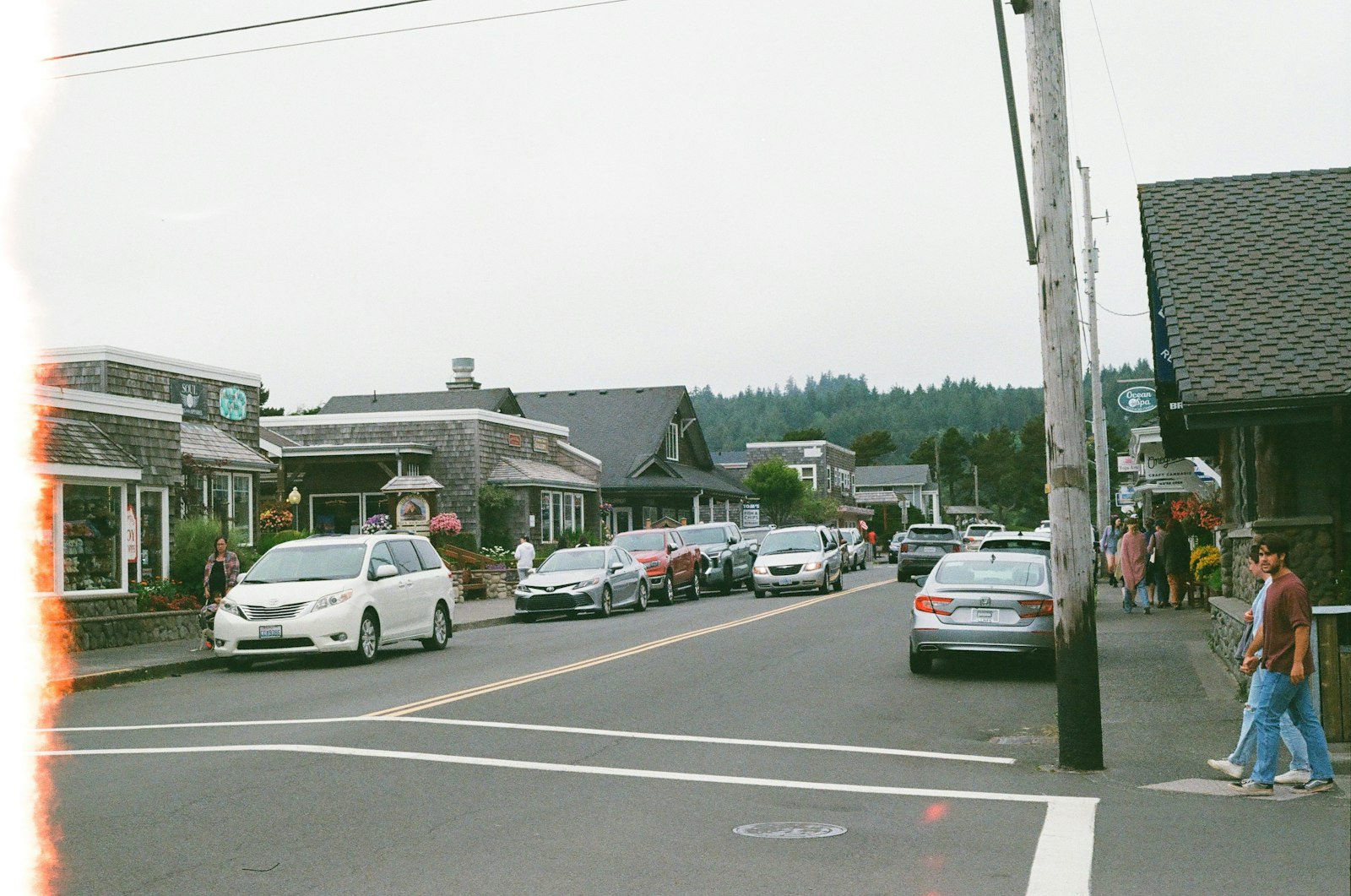
The people who leave inside two years did not stop liking it here. They kept a life in town and a bed in the country, and the drive ate the difference. Living on the North Shore Oahu side is a decision about a road before it is a decision about anything else — one lane each way for most of its length, no alternate when something goes wrong on it, an hour to town on a good day. Take that seriously before you sign and the rest of it works.
This is the resident version; if you are driving up for the day, the day-trip route covers that.
Living on the North Shore Oahu side means your social life has to move with you
A social life you built in Honolulu will not survive the commute.
Two ways down: around through Kahuku and the windward coast, or up the middle through Wahiawā to the H-2. Both are long, and both go slow in ways you cannot plan around — a wreck on Kamehameha Highway, a lane closure, the turtle crowd at Laniākea parked on both shoulders, a photo stop to everybody else and an obstacle on your way to work. Check live traffic before you leave. The average is not what ruins your evening.
A 6:30 dinner in Kakaʻako means leaving at 5 and getting home near 10, so you do it twice a month rather than twice a week. Friends who were twenty minutes away are a project now, and the ones who swore they would come up will manage it once. Nobody is being cold. The drive is longer than most friendships are built to absorb.
Assume you are rebuilding locally, then — not supplementing, rebuilding. The people you will actually see live inside a fifteen-minute radius: Haleʻiwa, Waialua, Pūpūkea, Mokulēʻia, Kahuku. If your plans stay in town, depending on the way you made friends in Honolulu, the move will feel like isolation rather than quiet.
Winter and summer are two different towns on the same road
The swell decides the season, and the season decides how the whole coast behaves.
From roughly November through February this shore takes open-ocean swell. The water gets genuinely dangerous — heavy shore break, closeouts, currents faster than they look — and High Surf Warnings from the National Weather Service in Honolulu are not a formality. People drown here every winter, some of them residents who were fine in that same spot in July. Two rules that do not bend: swim in front of a lifeguard tower, and when a tower or a sign says the water is closed, it is closed — not closed for tourists.
Winter brings everybody else too. When a contest is running, the lots, the shoulders and the highway fill, and the coast works around it: groceries midweek, errands before eight, nothing scheduled in town that day.
Then it flips. By late spring the north side lies down, the crowds thin, and the beaches that closed out in January are where you swim. Summer is quiet in a way that surprises people, and the calendar thins with it — half the coast is working doubles or gone.
Being recognized takes weeks, being accepted takes longer
A small town notices you long before it includes you.
Same people at the market, same faces at the post office, same trucks in the same lineup. Within a month somebody nods at you without knowing your name. That part is fast and it feels like progress.
Acceptance runs slower, reasonably. Waialua went through the end of sugar and is still farming — that land is somebody's work, not scenery on your commute. Haleʻiwa has families who have surfed the same breaks for generations and watched the town get bought, rented and photographed around them. The fastest way to be read badly is to arrive loud in a lineup you have not put time into, or to talk about the place as a lifestyle you acquired.
The way in is unglamorous. Show up to the same things. Buy from the people who grow it. Learn names and use them. Take a beach cleanup or a farm day and do the work rather than the talking.
The morning water crowd is the most reliable set of regulars up here
Dawn patrol is the North Shore's standing appointment, and most of the people worth knowing keep it.
The wind is best early and the coast knows it. Canoe clubs are off the sand before the sun clears the Koʻolau. Surfers are out at first light with the same eight or ten people all year. Runners and dog walkers have the bike path before seven.
That hour is self-selecting, which is why it works socially. Anybody there at six is committed and already used to recognizing faces. You do not need an opener; you need to come back on Thursday, and the Thursday after. Being known in one lineup beats sampling eight breaks, which is the logic behind finding someone to paddle out with.
Two winters in, the thing keeping you here will not be the view out the front. It will be that four people expect to see you at six.
Twenty faces you nod at and never meet is the actual condition of country living. YKnot is the step in between: somebody with a dawn paddle, a Saturday farm run or a table at six in Haleʻiwa says how many seats are going, other members ask, and the host chooses who comes. Everyone on there is ID-verified, and the exact spot is shared with the acceptance, not before.
See what's happening on Oahu →
Cover photo by Alexander Korte on Unsplash.