
New in Hawaii
Finding Japanese speakers in Honolulu
Finding Japanese speakers in Honolulu means telling local Japanese American families apart from recent arrivals, and knowing where each one gathers.
By YKnot Admin · · 5 min read
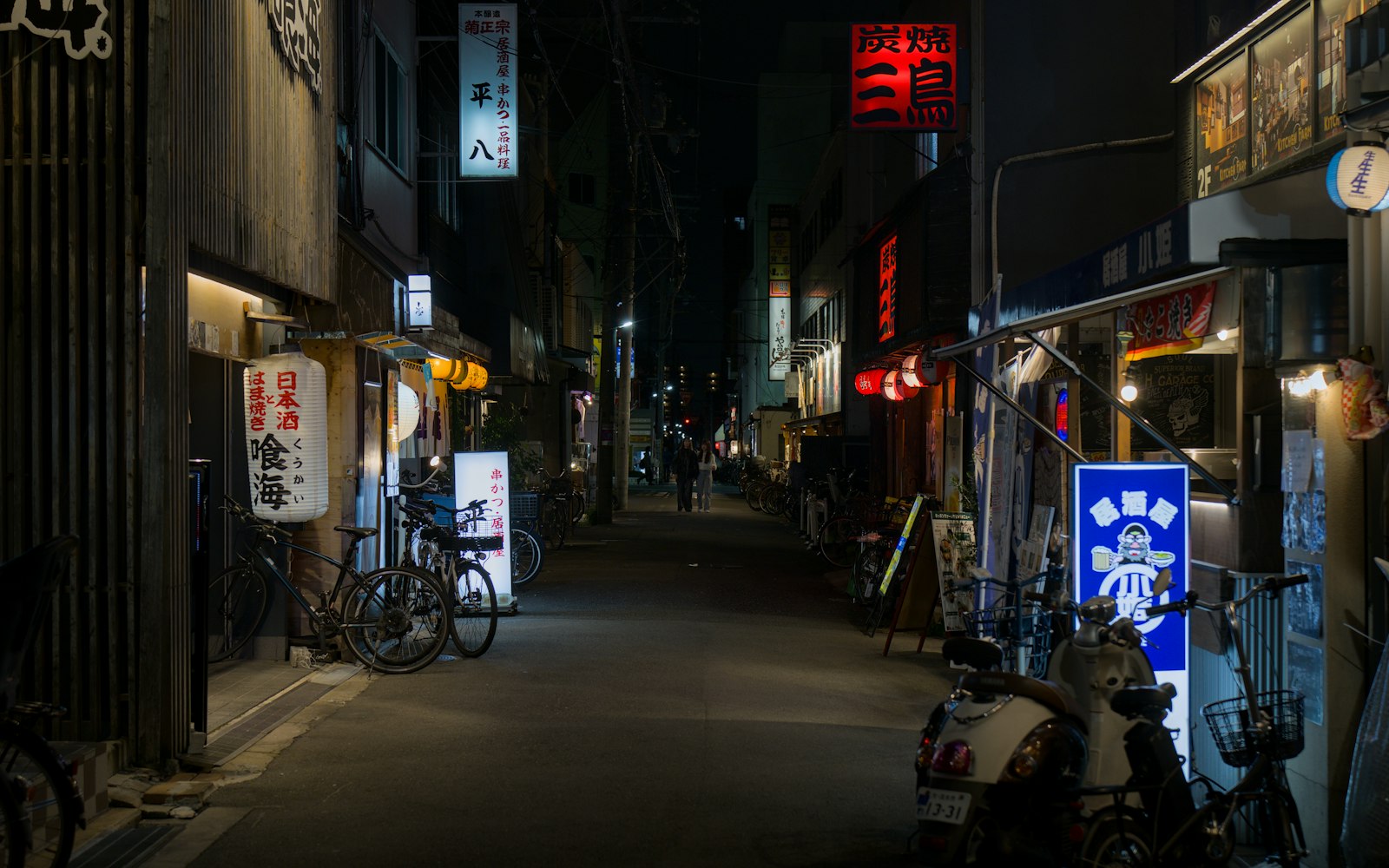
Looking for Japanese speakers in Honolulu sounds like the easy version of this search. Japanese speakers in Honolulu are not a hidden population — the language is on signage, in school programs, in the names of people you already work with. What is hidden is the part you want: a table where you talk for two hours without choosing your words. That is harder than it looks, because the phrase covers two communities a newcomer tends to fold into one, and folding them together is the mistake.
Two communities, one language on paper
A multigenerational local Japanese American family and a person who arrived from Japan last year are not the same community, and the language is not the thing that joins them.
Families here have roots going back generations, to plantation-era arrivals and the world those families built afterward. The descendants are local — born here, raised here, a Hawaiʻi childhood. Some speak Japanese, many do not, and plenty speak a household Japanese that drifted from the language spoken in Japan a long time ago.
Recent arrivals — students, workers on assignment, spouses — carry current Japanese, current references, and a much shorter history in these islands. They are often the ones most in need of a room where nothing has to be translated, and the likeliest to guess wrong about where to find it.
Assume every Japanese surname is a conversation partner and you put people in the position of explaining that they do not speak it, or not the way you mean. Ask about people, not about a category.
This is not the language-exchange errand
You are not trying to practice a language; you are trying to stop working at one.
The two searches lead to different rooms. Language exchange in Honolulu is built for learners: half the table is practicing, patience is the point, and slowness is the format. That is a good thing and the wrong thing for you.
What you want is the shape described in the post on Russian speakers in Honolulu — people who already speak what you grew up in, so the register underneath the grammar comes back: the jokes, the half-sentences, the way you complain. Japanese speakers in Honolulu who are homesick and Japanese learners who are enthusiastic can end up in the same room and both leave unsatisfied.
Say which one you are, early. It saves everyone a confusing hour.
Local community life runs through institutions, not meetups
The long-standing Japanese American community here organizes itself through institutions with histories, and those do not advertise for members.
Temples, cultural and prefectural societies, school alumni networks, sports leagues, veterans' organizations, taiko groups — these are the load-bearing structures, and most predate anyone's idea of a meetup. They are not closed, but they are not recruiting. You get in the way people always have: someone brings you, or you show up to the public-facing part and keep showing up.
The public-facing part is real and open. Summer bon dances at temples across Oʻahu welcome anyone who comes. Museums here hold exhibits on immigration and plantation history, and the University of Hawaiʻi at Mānoa runs talks and screenings. The National Park Service's Honouliuli National Historic Site preserves internment history that still comes up at family tables here. Schedules and access change; check before you go.
At a bon dance the posture is simple: watch a round or two, then step into the circle. You do not need to know the steps, and you do not need to be Buddhist or Japanese. Be careful with photography, and follow the lead of the people whose event it is — for many of them this is a religious observance, not a show.
Recent arrivals cluster around work, study, and kids
People who arrived recently find each other through the practical parts of their lives, not through anything cultural.
The reliable clusters are the university, employers with ties to Japan, and parenting. A parent trying to keep a child's Japanese alive finds other parents fast, because weekend school and playgroups are where that need becomes visible. The newest Japanese speakers in Honolulu also tend to meet over whatever is stressful: visas, licensing, childcare.
This is also the group most likely to be temporary. Assignments end, degrees finish. That churn is worth knowing before you invest, and it is why the people still here after five years hold the network together.
Shared language is not shared anything else
Speaking the same language tells you almost nothing about whether you will like each other.
The room spans generations, politics, class, and completely different relationships to Japan itself. A local grandmother's Japan and a recent transfer's Japan are two different countries. Expecting instant kinship produces one flat evening and a quiet decision never to go back.
Bring the standard you would bring to any room: you are hoping to like two people. Stay on what is in front of you — food, kids, the water — and leave the heavy subjects until people want them.
Food, festivals, and volunteering are the durable ways in
The things that repeat are the things with a job attached.
Festivals need setup crews. Cultural organizations need people to carry chairs and run tables, and volunteering in Honolulu to meet people works here for the ordinary reason: shared work skips introductions and gives you a reason to come back.
Food does the rest. Mochi-pounding at New Year, a potluck where everyone brings one thing, a bon dance where you come for the food booths and stay. None of it asks you to be an expert.
Then someone has to name a date. That is what YKnot is for: you put the plan up with a couple of spare seats, and members nearby ask to join. Posting is free. A beach park with shade, a time, bring-one-thing — that is the whole format, and it works in any language.