
New in Hawaii
How to find Russian speakers in Honolulu
How to find Russian speakers in Honolulu when the community is small, unlisted, and held together by a few people, a group chat, and food.
By YKnot Admin · · 5 min read
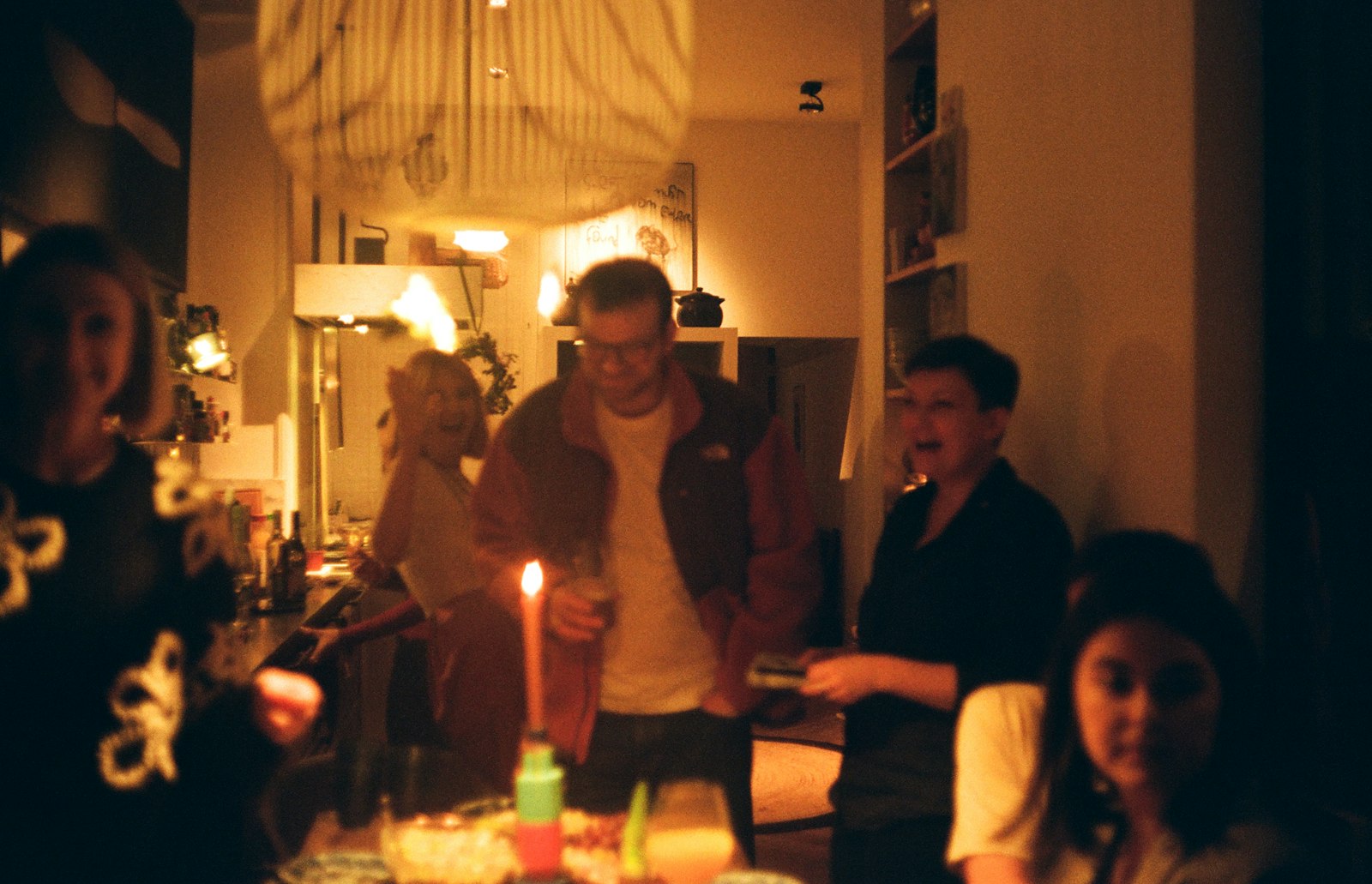
Looking for Russian speakers in Honolulu is a strange kind of search, because what you want is not information. You already know there are Russian speakers in Honolulu somewhere; what you want is to sit at a table with three of them on a Saturday and not translate anything for two hours. That need is quiet and easy to dismiss when the rest of your life here is fine. Your English is good. Your job is good. You like the water. And still, some weeks you notice you have not said one sentence in your first language out loud.
The tiredness is real even when nothing is wrong
Fluency is not the same as rest, and a week without your first language takes something out of you that is hard to name.
Your first language holds a register the second one never reaches: the diminutives, the half-line of a song everybody's grandmother sang, the way a complaint can be affectionate. You speak that register with nobody, and after a year you get a flat, muffled feeling easy to misdiagnose as burnout.
Plenty of people describe a cousin of this in their first months on Oʻahu: fine and lonely at once. One clarification: language exchange in Honolulu is built for learners practicing a language they do not speak. This is the opposite errand. You want people who already speak what you grew up in.
A community this small has people, not institutions
Russian speakers in Honolulu are found by asking, not by searching, because a group this size never builds what a search engine indexes.
A large diaspora gets a cultural center, a building with a sign. A small one gets a handful of families, a group chat, one person who somehow knows everybody, and a calendar that exists only in somebody's head. None of it is listed anywhere, so the internet lets you conclude nobody is here.
So you ask out loud. The question that works is specific: not "is there a Russian community here," which earns a shrug, but "I'm looking for a few people to speak Russian with over food — do you know anyone?" Ask it at work, and at school pickup.
Two public places are worth the ask. The state library system runs community programs at branches across Oʻahu, and the University of Hawaiʻi at Mānoa pulls in students and visiting scholars from places where your language is spoken. Schedules change, so check before you go.
Food and live music are the usual excuse
Nobody organizes a gathering for its own sake — they organize dinner, and the language comes along with it.
The gathering Russian speakers in Honolulu actually repeat is the one with pupus and somebody with a guitar in the corner. Food and music need no agenda and no minimum attendance. A conversation meetup with four people feels like a failure. A dinner with four people does not.
Potluck beats a booked table: everyone brings one thing, people drift in across an hour, and a visiting cousin gets folded in without a headcount. If you do go out, the logistics in group dinner spots in Honolulu apply. A beach park with a pavilion works too. City and state parks are public, but permit and parking rules vary, so check before you plan around one.
Shared language is not shared anything else
A small diaspora is not automatically your people, and expecting otherwise produces one bad evening and a decision never to go back.
The group you find spans everything except the language. Someone came as a child in the nineties, someone arrived last year for a postdoc, someone has been here forty years. What you share is grammar and a few songs — real, but smaller than a friendship. Treat it as more and an ordinary evening will let you down.
Bring the standard you would bring to any room: you are hoping to like two people. Steer toward what is in front of you — the food, the music, kids, the water — and leave the heavier subjects alone unless everyone wants them. The pool is small, so you will see the same faces again, and that is the feature. Repetition is the engine behind how to make friends in Honolulu.
Bringing someone who does not speak it
A non-speaking partner can come, but only if you decide in advance how you will keep them in the room.
Two hours of a language you do not understand is exhausting, and a good-natured partner will hide it until the drive home. Say the plan out loud first: how long you mean to stay, that you will translate the punchlines, that leaving early is fine. Seat them next to someone who speaks easy English.
Be honest that part of the point is getting to stop translating. Sometimes the better version is you go alone, they get their own evening, and you come home lighter instead of guilty.
The second one only happens if somebody makes it happen
In a community this size the organizer is not a role anyone holds; it is whoever decides to text first.
The first gathering happens by luck. The second happens because one person picks a date. If you leave thinking we should do this again, you are the one who has to name a Saturday — that message is the whole difference between a community and a nice memory.
You do not need a venue. Pick a park with shade, pick a time, say bring something, and ask the three people you met to bring one each. That is the shape YKnot is built for: you put the plan up with a couple of spare seats, and members nearby ask to join. Both are free. The U.S. Census Bureau's language use research has the national picture, but the only number that matters to you is the four people at your table.
Cover photo by Tanya Prodaan on Unsplash.