
How to make friends on the Big Island
The Big Island isn't one social world. It's Hilo, Kona and Waimea, hours apart. Why the Honolulu advice fails here and what actually works instead.
By YKnot Admin · · 7 min read
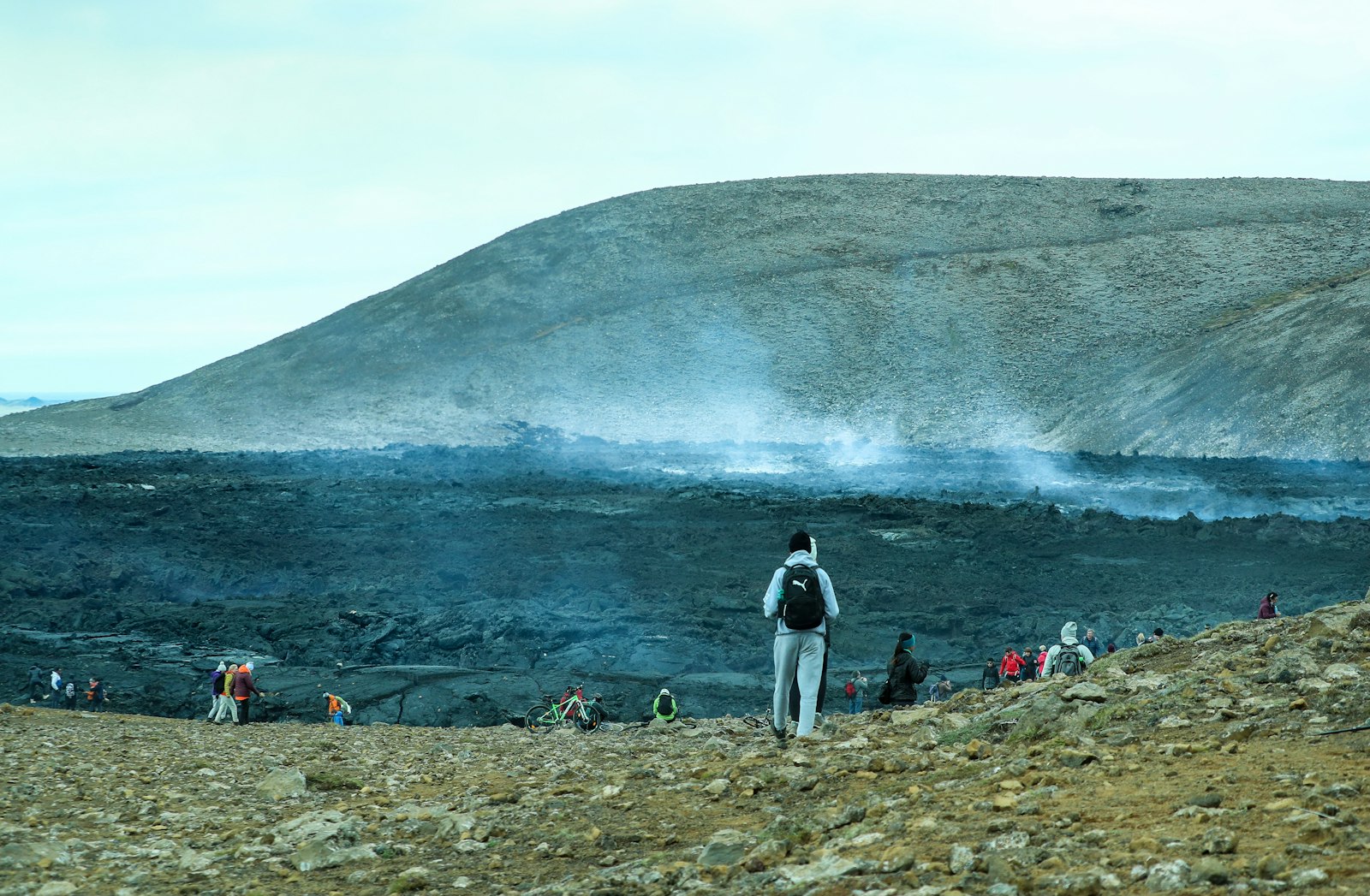
Hawaiʻi Island holds around 200,000 residents on a landmass bigger than every other Hawaiian island put together, and it does not produce accidents.
Nobody bumps into anybody here. There is no single street where the whole island ends up on a Friday, no commute that throws the same faces at you until one of them finally says something. Somewhere else the town does part of the work — a walkable district, a bus you take twice a day. On this island, whatever happens socially happens because a specific person named a specific place at a specific hour and said it out loud. That is the entire difference, and it is why advice written for Honolulu does not survive the drive.
This is two towns and a half, not one community
Hilo is the east side: county seat, deepwater harbor, a state university, the hospital that serves the whole windward half, families four and five generations in. It runs early and it rains. Kona is the west side: a resort and service economy that brings people in constantly and sends a lot of them home again, with a morning ocean crowd at the pier that functions as the town square. The two are nothing alike, and choosing between them is a social decision more than a weather one.
Waimea sits up between them at around 2,700 feet, cold at night, a ranching town with Parker Ranch at its center and its own theatre and its own markets. It is not a suburb of either coast. Puna is the fourth thing nobody counts: subdivisions strung down the highway between Keaʻau and Pāhoa with no downtown at all, which means its markets carry a load that a town center carries elsewhere.
Crossing from Hilo to Kona takes the better part of two hours in good conditions, over a high exposed route with almost no services. Check it yourself before you plan around it, and then accept what it means: a friendship that requires crossing the island will not survive contact with a Tuesday.
The most common newcomer mistake here is sampling. Year one goes into a Kona market one weekend, a hike out of Volcano the next, a concert in Waimea after that — a good year of outings and not one place where anyone expects you. Pick your side. Be repeatedly, boringly present on it.
Say the place, the hour, and the drive
"We should hang out sometime" is not heard as an offer here at all, because the listener is already doing the arithmetic — from where, how far, at what hour, and is there parking.
So do the arithmetic for them. Name the place, name the hour, and say the drive out loud, including whose car it is. The specific ask gets a yes. Vague friendliness never does, because it leaves the real obstacle where it was.
Which is why the person who offers the ride becomes central here fast. Seats are the scarce resource. If you are driving from Waimea down to the coast, or up the hill from Hilo, or across for a tournament, the empty seats in your truck are worth more socially than anything you could say in a conversation. Offering one is not a favor. It is the invitation.
Things that repeat, by side
Since nothing here collides on its own, the only things that put the same people in a room twice are already on a schedule. Here is where that lives, by side.
Hilo. A night market takes over the old downtown blocks on a recurring schedule — check which nights before you plan around it — and it is the one evening the town is reliably in one place, with music and food and a lot of the same faces each time. The Hilo Farmers Market at Kamehameha Avenue and Mamo Street holds more of the east side at once, on its big mornings, than anywhere else — buy from the same three vendors until you are a regular, which is a real status here. The Palace Theater on Haili Street takes volunteer ushers, which is the fastest way in town to be inside a room instead of in the audience. If you have just landed on the east side with no network at all, the longer version is here.
Hilo Bay. Canoe regatta season is the east side's biggest recurring gathering that is not a market. Moku O Hawaiʻi is the island's racing association, and a bayfront regatta puts well over a thousand paddlers, from children to people in their eighties, on the same stretch of shoreline for the day. Clubs like Keaukaha, Puna, Kai ʻEhitu and Kawaihae are not fitness classes — they carry lineage and protocol and a season calendar you will have to learn. Go to ask, listen more than you talk.
Puna. Makuʻu, off the Keaʻau–Pāhoa highway, is the district's closest thing to a civic center: a large weekly market with live music, hundreds of stalls and nonprofit tables, where a lot of Puna sorts itself out. Down at Kalapana, Uncle Robert's runs a market and a recurring music night, one of the few evening gatherings on that side that reliably comes back around.
Waimea. The markets at Pukalani Stables, on Parker Ranch land next to the Paniolo Heritage Center, run on a standing schedule and are the town's fixed appointment. Kahilu Theatre programs far more than a town that size should support and leans on community shows and volunteers; Waimea Community Theatre holds open auditions, which is an underrated way to acquire eleven people who expect you at rehearsal.
Kona. The west side's institution is the water at dawn — swimmers past the moored boats, paddlers rigging in the dark, cyclists forming up for the highway. A running shop on Aliʻi Drive anchors regular group runs. The longer version of how the west side lets people in is here.
Anywhere. This island carries an unusual density of volunteer workdays: wetland restoration at Lokowaka Pond in Keaukaha, preserve workdays on the Kona side, the Sierra Club's Moku Loa group, invasive-species crews, watershed partnerships. Four hours of shared physical work beats four dinners.
Pick two. One on your side that you never miss, and one that makes you drive.
Merrie Monarch is the year's anchor, so know what it is
In spring the hula competition fills Hilo, and the east side effectively pauses. People come home for it, rooms disappear months out, the whole town is in one place at once.
Two honest things about it. First, it is the easiest week of the year to be part of the town without being invited by anyone — the public events, the craft fair, the parade and the crowded downtown are open, and you can be in the middle of it without asking permission.
Second, it is a hula competition of enormous cultural weight, decades old, not a festival staged for new arrivals. Learn what you are watching before you watch it. Hālau are not scenery. Do not photograph people like you are press. Being a good guest that week does more for how you are seen here than a year of introductions.
The part nobody says out loud
If you are lonely on this island, that is not evidence that people are unfriendly. Everyone will wave you through an intersection and tell you where to get the good fish. It is evidence of geography: two hundred thousand people spread thin enough that nothing collides on its own.
Which means the fix is unglamorous and entirely in your hands. Somebody has to say the sentence — this place, this hour, there's room in the truck — and if you are new, it is not going to be them. They already have plans. What you need is one seat in one of them, and then the same seat again next month.
YKnot is built for exactly that gap: people here post plans they're already going to — a hike, a dinner, a paddle — with a spare seat, and you ask to join. It's members-only and everyone's ID-verified, so you know who you're connecting with.
See what's happening on Hawaiʻi Island →
Cover photo by Lex Melony on Unsplash.