
Things To Do
Hiking Safely on Oahu Starts in the Parking Lot
Oahu trails look easy from the parking lot and generate steady rescues. What the terrain, the weather and the closures actually ask of you.
By YKnot Admin · · 5 min read
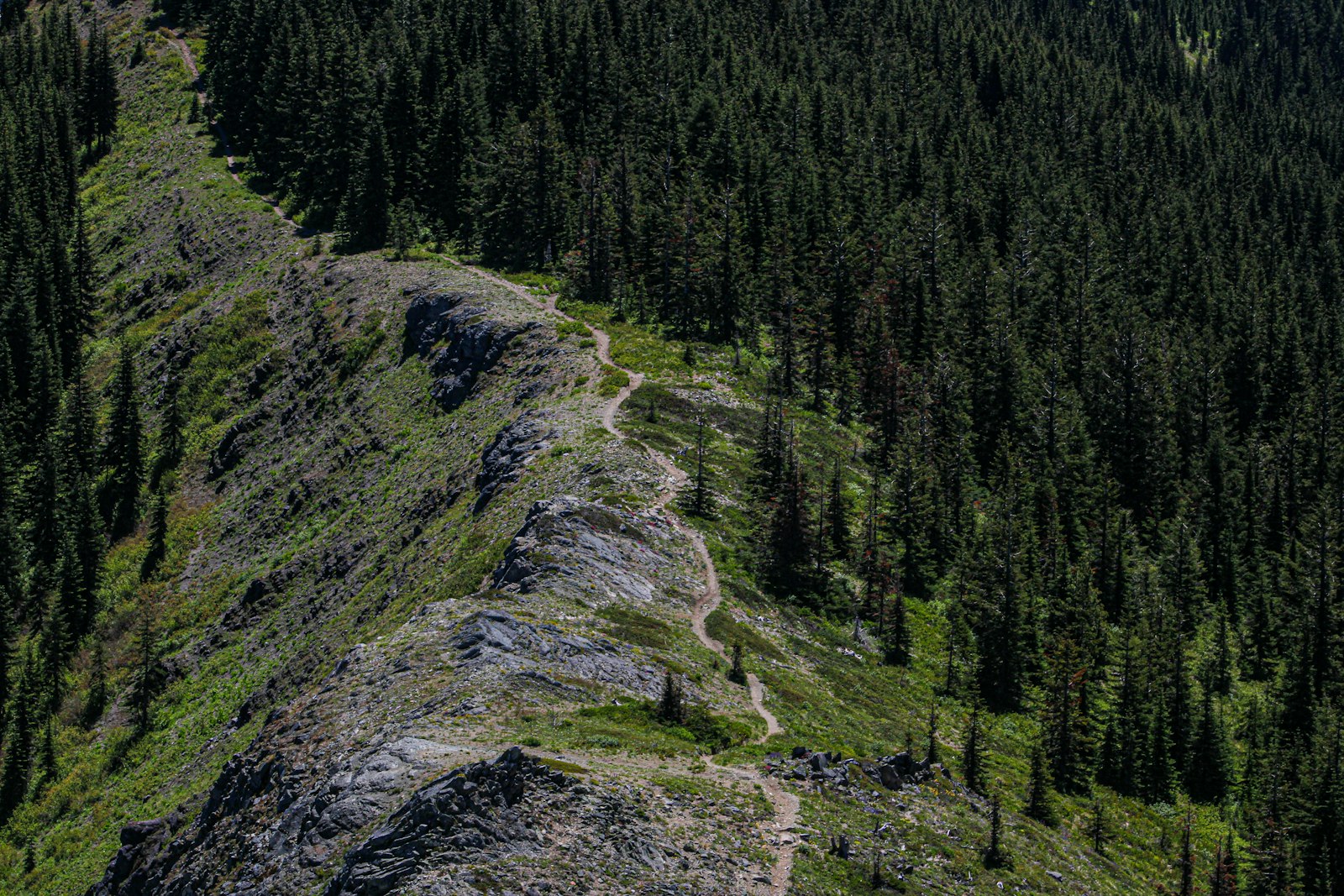
Hiking safely on Oahu is mostly a set of decisions you make before you start walking, not heroics you perform later. The trailheads look harmless — a muddy shoulder, a gate, a sign — which is why hiking safely on Oahu gets treated as optional by people who are careful elsewhere. The rescues in the news are rarely anyone doing anything extreme. They are someone an hour in, on a popular trail, in weather that turned.
The ground is looser than it looks
On a lot of Oʻahu ridges the rock is weathered volcanic material that can break off in your hand, and the dirt under it turns to grease within minutes of rain.
Most people arrive with a mental model from somewhere else: granite, switchbacks, maintained tread. These mountains are eroded shield volcanoes, and the basalt has spent a long time in rain and roots. A handhold that looks solid comes away, and the soil above it is clay that holds water rather than draining.
Many trails here run straight up the fall line, so you climb with your hands and descend on your heels, and a lot of injuries happen on the way down. The ridges add real exposure: narrow, drops on both sides, where a slip that would be embarrassing on flat ground is not recoverable. You will also find fixed ropes tied to anchors you cannot inspect; do not let a rope take you onto ground you would not cross without it.
The weather changes faster than you believe
Being an hour in is not the same as being safe, because the windward side can go from clear to whiteout while you are still walking.
The Koʻolau catch the trade winds, lift the moist air, and build cloud along the crest. Town can be bright while the summit sits in rain, and a forecast for Honolulu describes Honolulu, not the ridge above you.
What it does to you is mud, and visibility down to a few feet where the trail is a foot wide. In the valleys it does worse: streams rise from rain falling miles uphill, so an ankle-deep crossing can turn impassable while you stand in sunshine. The National Weather Service publishes the forecasts and flash flood warnings; the cloud stacking over the crest is information too.
A closed trail is closed for a reason
Going around a closure is illegal, and it is the specific thing that puts rescuers onto the same bad ground you chose.
Trails close for landslides, washed-out sections, damaged infrastructure, and private landowners who never agreed to public access. A closed gate is usually the visible part of a long argument.
The Haʻikū Stairs are the case everyone knows: closed to the public for decades, reached through a neighborhood where people live, the subject of a long removal fight, and still climbed by people who go around the closure, get cited, and need help getting off. Being plain about hiking safely on Oahu means saying this one is not a gray area. Closures change, so check the state's Nā Ala Hele trail and access program before you drive out.
Going with someone is the mitigation, not a nicety
A rolled ankle alone at dusk is a rescue; the same ankle with a partner is a slow, irritating walk out.
With a second person, one of you takes weight off the bad leg while the other carries both packs or walks out for signal. Alone, you are immobile on a narrow trail with the light going. A partner also fixes your judgment, which fails earlier than your legs do.
If you do not have anyone yet, that is solvable, not a reason to go alone — start with finding a hiking partner, and if you already have a plan and room for one more, put the plan up and let nearby people ask to join. Flat ground like Kaʻena Point with someone is a better first outing with somebody new than a ridge.
Tell someone your plan, and pick a turnaround time
Decide the hour you turn back before you leave, tell someone who is not coming, and then actually turn around when it arrives.
A plan is small: which trailhead, where the car is, who you are with, and when someone should start calling. A search that begins with a trailhead name is a different operation from one that begins with somewhere in the Koʻolau.
The turnaround time is the discipline nobody keeps. Daylight also goes faster than mainland hikers expect: there is little lingering twilight here, and in a valley it is dark well before sunset because the ridge takes the sun early. The same math runs in reverse on a sunrise hike, which is why a headlamp and spare batteries belong in your pack even on a trail you expect to finish by noon.
Water goes faster than the distance suggests
Heat plus humidity strips you faster than a mainland trail of the same length, because the air is too wet to take your sweat.
Evaporation is how you cool down, and saturated air will not take much of it. You keep sweating and get less back, and the leeward trails add full sun with no shade. It does not announce itself either: you feel fine, then you are nauseated with a climb still to go.
Carry more water than feels reasonable, and carry some for the person who did not. There is no reliable drinking water out there, and the streams are not an answer: fresh water here can carry bacteria that will make you seriously ill, and you cannot tell by looking. Hiking safely on Oahu comes down to a short, unglamorous list: check the current closures, tell one person your plan and turnaround time, bring a light and extra water, go with somebody, and be willing to walk away from a summit you can already see.
Cover photo by Peter Robbins on Unsplash.