
Things To Do
Why hiking Kaena Point works with someone you barely know
Hiking Kaena Point on Oahu: the two approaches, the sun and heat people underestimate, reserve etiquette, and why it is a plan you make with someone.
By YKnot Admin · · 5 min read
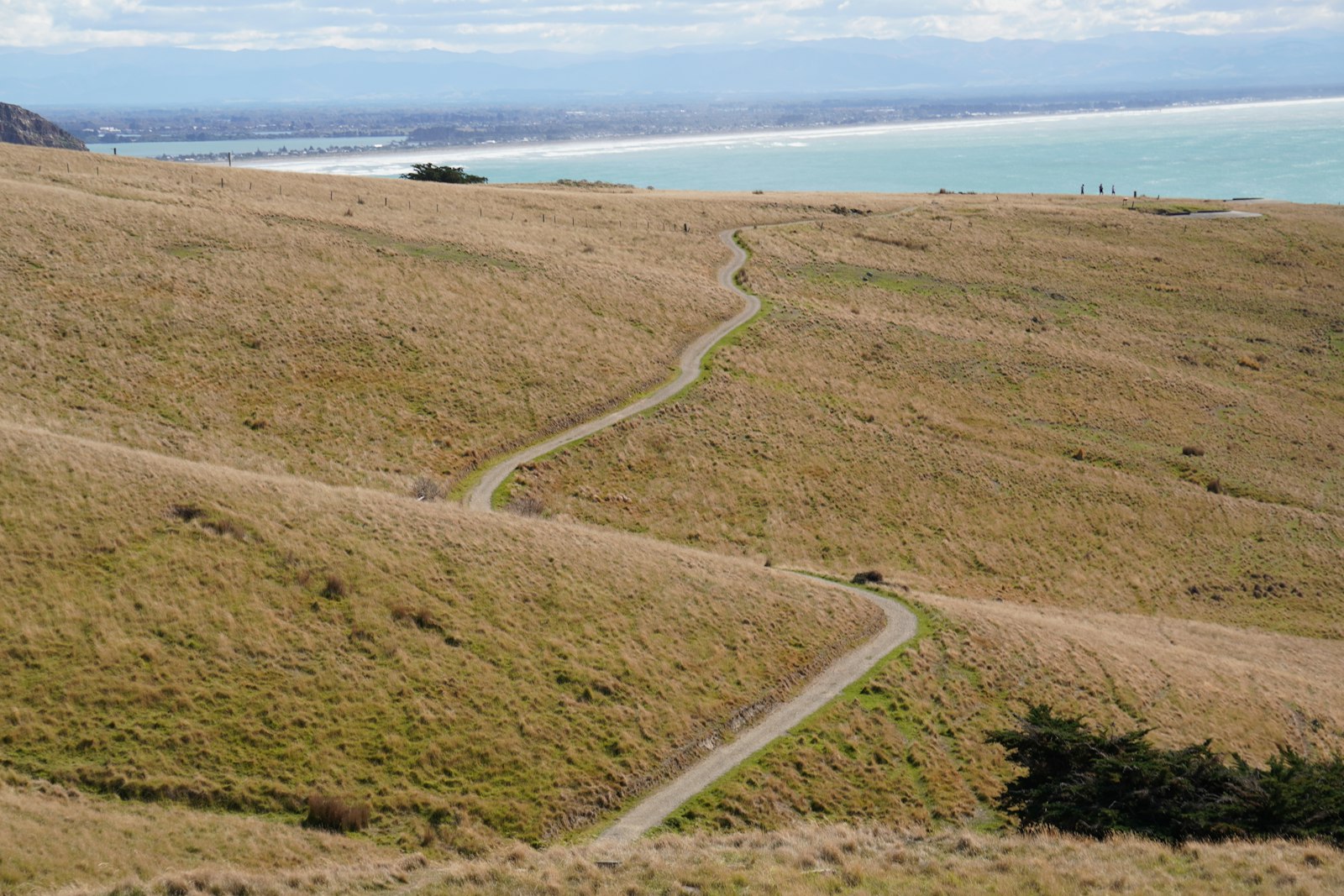
Hiking Kaena Point keeps turning up as a posted plan around here, the same walk offered again and again over the last few months. That tracks, because hiking Kaena Point is one of the few Oʻahu outings that is genuinely better with someone than alone. It is long, flat, wide, and almost entirely unshaded — a couple of hours walking side by side toward the westernmost tip of the island with nothing to do but talk. Bring someone you actually want to talk to.
The flatness is the whole social advantage
It is long and flat rather than steep, which turns the walk into a conversation instead of a climb.
Most of the route follows an old railbed cut along the coast, so the grade barely changes. It is rutted, rocky in stretches, braided into parallel tracks and washed out near the water — but there is no scrambling, no bottleneck where one of you goes first and the other waits. Two people walk abreast for most of it.
On a steep hike the fitter person drifts ahead and the conversation turns into breathing. Hiking Kaena Point has the opposite problem, and it is the good kind: hours of unstructured time with someone you are still figuring out. You run through the easy material in twenty minutes and then have to actually talk, which is what turns an acquaintance into a friend.
Two approaches, two different days
You can walk in from the Mokulēʻia side or the Keawaʻula side, and they are not the same trip.
From the north you start past the end of the paved road on the Mokulēʻia coast and walk west, the Waiʻanae range shouldering up on your left and surf close on your right. In winter the swell there is loud enough that you raise your voice to be heard. If you are already making a north shore day of it, that is the approach that fits.
From the west you start near Keawaʻula — Yokohama Bay — and the track is broader, sandier, and hotter earlier, with more open sky and less to break the sun. The road does not connect the two ends, so walking through means a second car and a long detour. Decide which side you are committing to before you leave, and check conditions after storms.
The exposure is what gets people, not the distance
There is no shade and no water on the route, and that is the part everyone underestimates.
Nothing along the way is going to help you. No trees worth sitting under, no fountains, no resupply. The rock and sand are pale and throw the light back at you, and the wind near the point is strong enough that you will not notice you are sweating until you stop.
So overpack water — more than feels reasonable for a flat walk — and bring a hat, sunglasses, sleeves. Do not count on cell coverage out there.
Settle this before you start: turning around early is a normal outcome, and either person can call it with no explanation. Then the walk stops being a test.
Inside the fence, you are a guest
The point itself is a protected natural area reserve, and the etiquette there is not a suggestion.
You reach a predator-proof fence with a gated entry. Go through and close it behind you — that fence is the reason the seabirds nest out there at all. Inside, stay on the path. The ground off-trail is honeycombed with burrows you cannot see, and a boot through the roof of one ends a nesting season.
In the right months you will see mōlī, Laysan albatross, sitting in the open, close enough that you will want to drift toward them. Don't. Hawaiian monk seals haul out on the sand below, and state and federal guidance set a minimum distance — larger for a mother and pup. The posted signs are specific; read them rather than guessing, and the state's Kaʻena Point State Park page is where to check access and conditions before you go, since both change.
Go early or go late, not at noon
The light at either end of the day changes the trip completely.
Midday is the worst version of this walk: flat glare, hard heat, everything washed out. Early morning is the opposite — cool air off the water, birds active, the range still in shadow behind you. It is one of the better early starts on the island, and nothing about it is a climb.
Late afternoon gives you the other payoff. The point faces west, which makes it one of the genuine sunset positions on Oʻahu, open ocean and nothing in the way. The catch is walking back in fading light, so carry a headlamp each, not a phone flashlight, and agree on a turnaround time before you leave the car.
It is a half day, so it is a plan you make on purpose
Nobody bumps into this one, which is exactly why it works as a shared plan.
Between the drive out, the walk, and the drive home, hiking Kaena Point takes most of a morning or an afternoon. That scale is why it belongs on YKnot rather than in a vague someday text: you put the plan up with a seat open a few days ahead, somebody nearby asks to join, and it actually happens. Putting it up is free, and so is asking to join.
It also self-selects. Anyone who says yes to a hot, shadeless walk to the end of the island tells you something useful before you have spent a minute together. If you are still building a crew, that is the logic behind finding a steady hiking partner instead of rounding up a new group every weekend.
Share the ride, say the turnaround time out loud in the parking area, and start walking.
Cover photo by Ayod Perera on Unsplash.