
Things To Do
Getting around Kauai without a car
No car on Kauai? The bus runs the main corridor, not the trailheads. How to choose where you live, accept rides well, and host instead of travel.
By YKnot Admin · · 5 min read
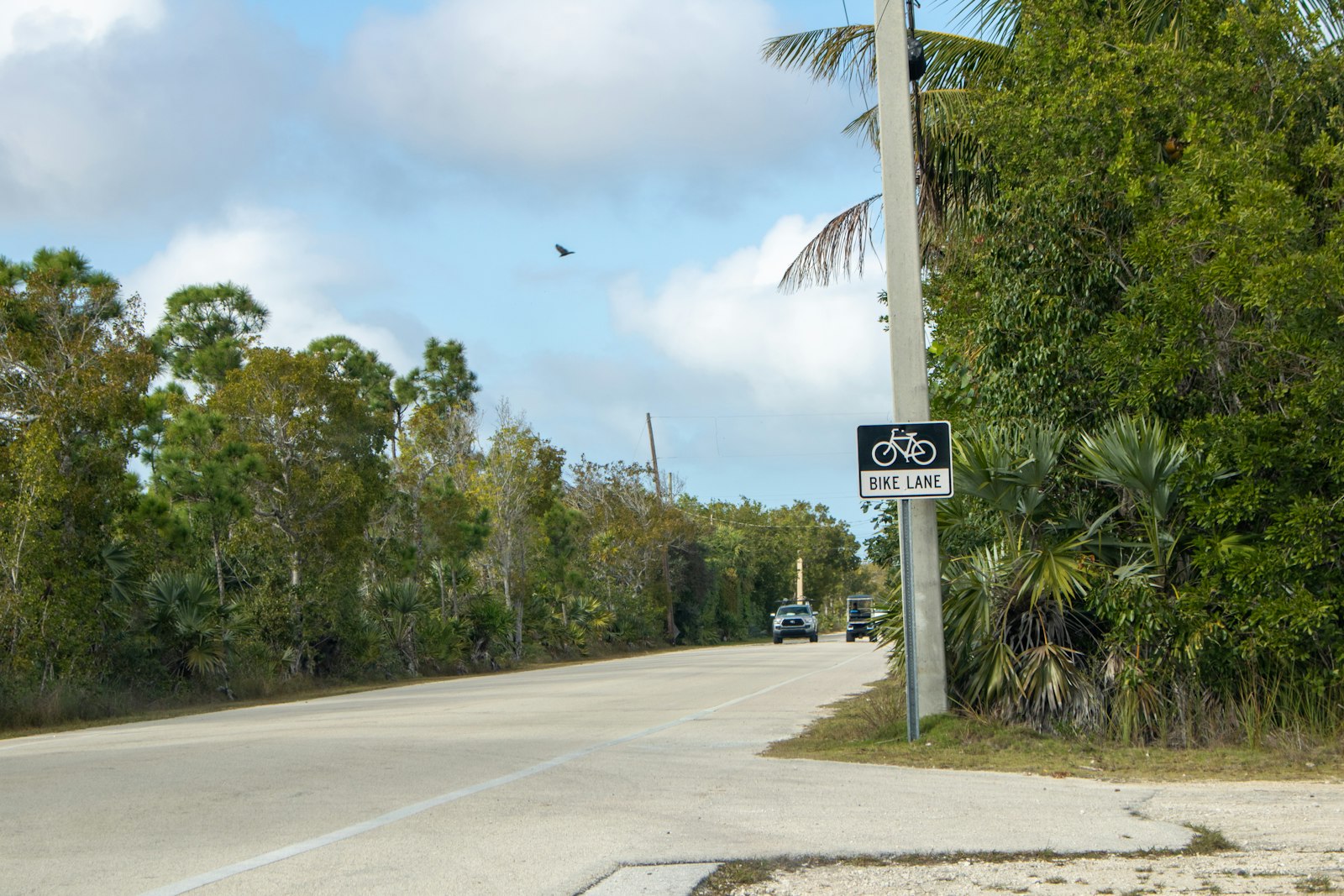
Getting around Kauai without a car is a real option and a narrow one, and the honest version says both halves out loud. The island has a county bus that works along the main corridor between towns, and it does not reach most trailheads, most small beaches, or a late night. You can live here without driving. You just live inside the corridor, your day ends earlier than everyone else's, and the social life you build has to fit inside both.
The bus is useful, and its edge is sharp
The county system moves people along the highway between towns, which covers most of daily life and almost none of the outdoors.
Work, groceries, errands, a beach park near the highway — those are bus problems with bus answers. People here do live without a car.
What it does not do is get you to a trailhead at dawn, to the small beaches down unmarked access roads, or home late. Routes and timing change, so read the current schedule from the County of Kauaʻi Transportation Agency rather than a two-year-old forum post.
The last ride home quietly decides your calendar. Check it before you say yes, and say so early: "I'm on the bus, so I have to leave by then" is a normal sentence here.
One road, and it does not close the loop
The highway stops at both ends instead of circling the island, so a map distance and a travel time are barely related.
Kauaʻi has no ring road. The highway runs up the east side toward Hanalei and Hāʻena and ends, runs west toward Kekaha and ends, and the Nā Pali coast fills the gap. Two places that look close across the map connect only by going back through Līhuʻe.
Add a transfer and the gap widens. A drive a friend thinks of as nothing becomes most of your afternoon, much of it spent standing somewhere in the middle. One late connection and the evening reorganizes around getting home.
The north shore adds a second uncertainty. That highway has been cut by flooding and landslides before, and access to the state park at the road's end runs on an entry and parking reservation system that changes. Past the pavement, the Kalalau Trail has a real history of drownings at Hanakāpīʻai, of falls, and of flash floods that come down the valleys on rain you never saw fall. The stretch beyond that first valley is permit-only. None of it is a reason to talk yourself past a closure. If a plan depends on getting past Hanalei, confirm road status, trail closures and park rules with the state and county first.
Where you live matters more than your personality
Carless, you meet the people whose ordinary week overlaps with yours, and your address decides who that is.
The same logic runs through meeting people without a car in Honolulu, but here it is sharper, because the alternatives are thinner. On Oʻahu a bad transit address is inconvenient. On Kauaʻi it can mean nothing in reach after dark.
So treat housing as a social decision. Walk from your door to a store and a bus stop and you collect a hundred small encounters a week. A beautiful spot up a valley road gives you none.
The center of gravity is the stretch between the east-side towns and the county seat, where jobs, public facilities, and the most service overlap; the trade-offs are in living in Kapaʻa and Līhuʻe. It is not the prettiest address on the island, and it is where getting around Kauai without a car stops being a daily negotiation.
Rides are a currency, so spend them carefully
On an island this small, a ride offered once is generosity, and a ride assumed every time is a job you handed someone without asking.
Offer gas money and mean it, even when it is waved off. Be outside and ready before the agreed time, bag packed and shoes on. Never be the reason a group waits; on a small island that story travels.
The harder rule is quieter: never let a ride become an assumption. Ask each time, make it easy to say no, and have a fallback so no does not wreck your day. People here are generous, and stay generous when it is not load-bearing.
A bike solves some of the corridor and none of the rest
Cycling turns the flat, built-up stretches into short trips and the rest into something genuinely dangerous.
Along parts of the east side a coastal shared-use path runs separated from traffic, and it closes the gap between where the bus leaves you and where you are going.
Elsewhere the math changes. The highway narrows, the shoulder disappears, and it carries fast traffic that does not know the road. In rain, in the dark, on a blind curve, you are invisible. Do not make a bike your night plan.
The carless move is to host, not to travel
When getting there is the expensive part, stop spending it and be where the plan happens.
Put the plan up for a park you can walk to, your yard, your building's common area, and let the people with cars do the moving. It costs effort instead of transit hours, and effort is what you have.
It also fixes what builds friendship: frequency. Seeing five people once does less than seeing three people five times, and the repeatable version only happens somewhere you can reach on foot — the core of how to make friends on Kauaʻi, car or no car.
So pick one recurring thing inside walking distance of home and keep it. Same place, same rhythm, open door. Getting around Kauai without a car costs you range; hosting buys back repetition, and repetition is what turns the person you keep seeing into the person who texts you first.
Cover photo by Zoshua Colah on Unsplash.