
New in Hawaii
What to know about faith communities in Honolulu if you want people
A plain look at faith communities in Honolulu for someone who wants community: the breadth here, what showing up gets you, and what to ask.
By YKnot Admin · · 5 min read
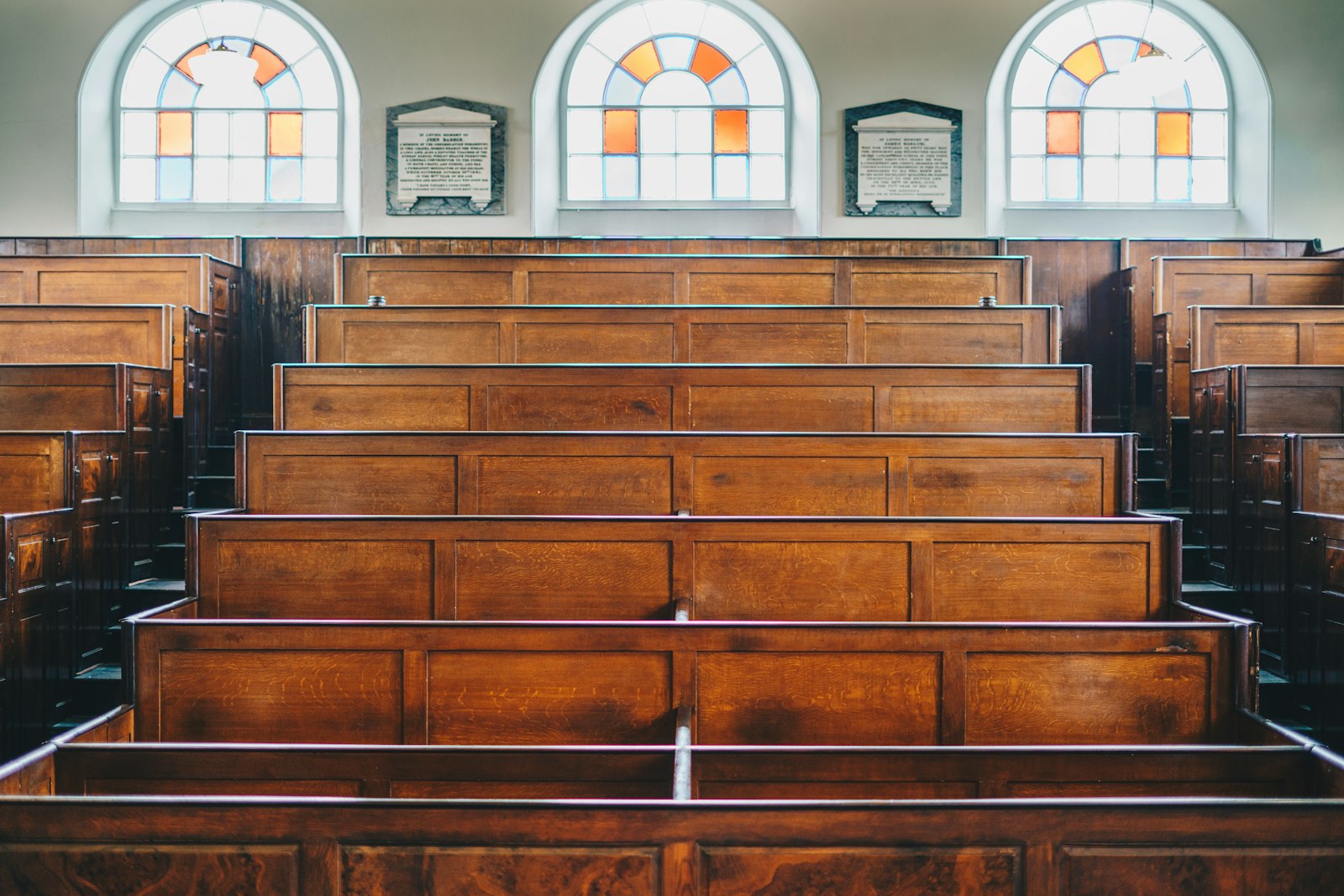
You can live here a year, go to the beach every weekend, and still not know anyone's last name. Faith communities in Honolulu are one of the few things left on this island that expect you at a certain time and notice when you are not there. This is not a pitch for anyone's religion and not a survey of anyone's beliefs. It is a practical note for someone wondering whether faith communities in Honolulu are a reasonable place to look.
The range here is wider than most newcomers picture
Whatever you grew up with, or did not, there is almost certainly a version of it on this island.
Christian congregations alone run the whole spread: Catholic parishes, mainline Protestant churches with nineteenth-century roots, evangelical and nondenominational churches, Latter-day Saint wards, and many congregations holding services in Korean, Samoan, Tongan, Marshallese, Chuukese, Ilocano, or Japanese. Buddhist temples here belong to several distinct traditions, many brought by plantation-era immigrants and still on the same grounds generations later.
There is also a Jewish community, a mosque, a Hindu temple, Baháʼí gatherings, Shinto shrines, Chinese temple societies, and smaller groups meeting in rented rooms with no building of their own. The map is much bigger than the buildings you drive past, and a search that stops at the first three results misses most of it.
The weekly expectation is the actual thing you are looking for
Adults are not short on activities; they are short on anything that repeats without someone organizing it.
Almost every other way to meet people here requires somebody to keep restarting it — the group chat that goes quiet, the hike rescheduled twice and dropped. A congregation has a standing time. It happens whether you are available or not, and you see the same faces often enough that recognition turns into conversation on its own. That repetition is most of why making friends in Hawaii is hard, in reverse.
The noticing matters too. After a month or so of turning up, someone is likely to mention they missed you. For someone who moved here alone, that is often the first time in months anyone registered their absence.
Showing up is easy; belonging takes much longer
Nearly every one of the faith communities in Honolulu will welcome you the first day, and almost none absorbs you in a month — confusing the two is what leads to disappointment.
Walking in is low-stakes at most places. Sit in the back, you do not have to know the words, nobody calls on you. Expect to be greeted warmly and a little generically, possibly by someone whose role it is. It is sincere; it is also a script.
Belonging runs on the slower clock everything else here runs on. You become part of a place by turning up repeatedly and being useful, which takes a season or two. People who come twice, feel like outsiders, and decide the place was cold have usually just met the ordinary gap between hospitality and friendship.
The social life sits around the service, not inside it
The hour of worship is the least social hour of the week there.
You cannot talk during most services, so community happens on either side of it: the food afterward, the kitchen crew, the choir or band practicing midweek, the cleanup after a fundraiser. If you attend and leave immediately, you have technically been there and socially been nowhere.
The fastest route in is work. Take the unglamorous job, because those are chronically short-handed and the people doing them talk the whole time. It is the same dynamic that makes volunteering in Honolulu to meet people effective anywhere, except the same crew comes back weekly. It is also a large social world here that does not run on alcohol.
In Hawaiʻi, many of these places are also cultural anchors
A temple or church here is often carrying a language and an immigration history along with everything else.
Many congregations were founded by and for a specific immigrant community — plantation-era arrivals from Japan, China, the Philippines, Portugal and Korea, later Sāmoa, Tonga and Micronesia — and a century on it still holds that community's language, food, funerals and calendar. The kingdom- and territorial-era immigration and naturalization records kept by the Hawaiʻi State Archives trace many of the same arrivals.
Some services run partly or entirely in another language, and some gatherings are as much family reunion as religious event. You are usually welcome anyway. The most open door is often a public one: bon dance season in Hawaii fills temple grounds in summer with people there to dance and eat, and nobody is checking what you believe.
If you are not a believer, ask plainly rather than drift
Most places will be glad you came; some expect you to eventually commit, and the honest move is to ask which one you are in.
Plenty are entirely comfortable with someone who comes for the people, helps out, and never converts. Others understand attendance as a step toward belief and will, gently and persistently, invite you further in. Neither is a trap; the trouble comes from avoiding the question, getting attached, and then feeling dishonest about it.
So ask someone directly — a staff member, a longtime member, whoever greeted you. Then follow their lead on everything else: sit where you are pointed, take your shoes off where shoes come off, do not photograph without asking, skip the parts meant for members. Faith communities in Honolulu vary enormously in what they expect, and nobody minds the question.
Go once before you decide anything. Pick a place, walk in, stay for the food afterward, talk to two people, and give it a few weeks. If the room turns out to be your kind of room, put a plan up on YKnot for the weekend and see who from it wants the spare seat.
Cover photo by Belper Unitarians on Unsplash.