
Things To Do
Bon Dance Season in Hawaii Is the Easiest Invitation You Will Get All Summer
Bon dance season in Hawaii runs all summer at temples across the islands. No ticket, no partner, no skill needed — here is how to show up and join the circle.
By YKnot Admin · · 5 min read
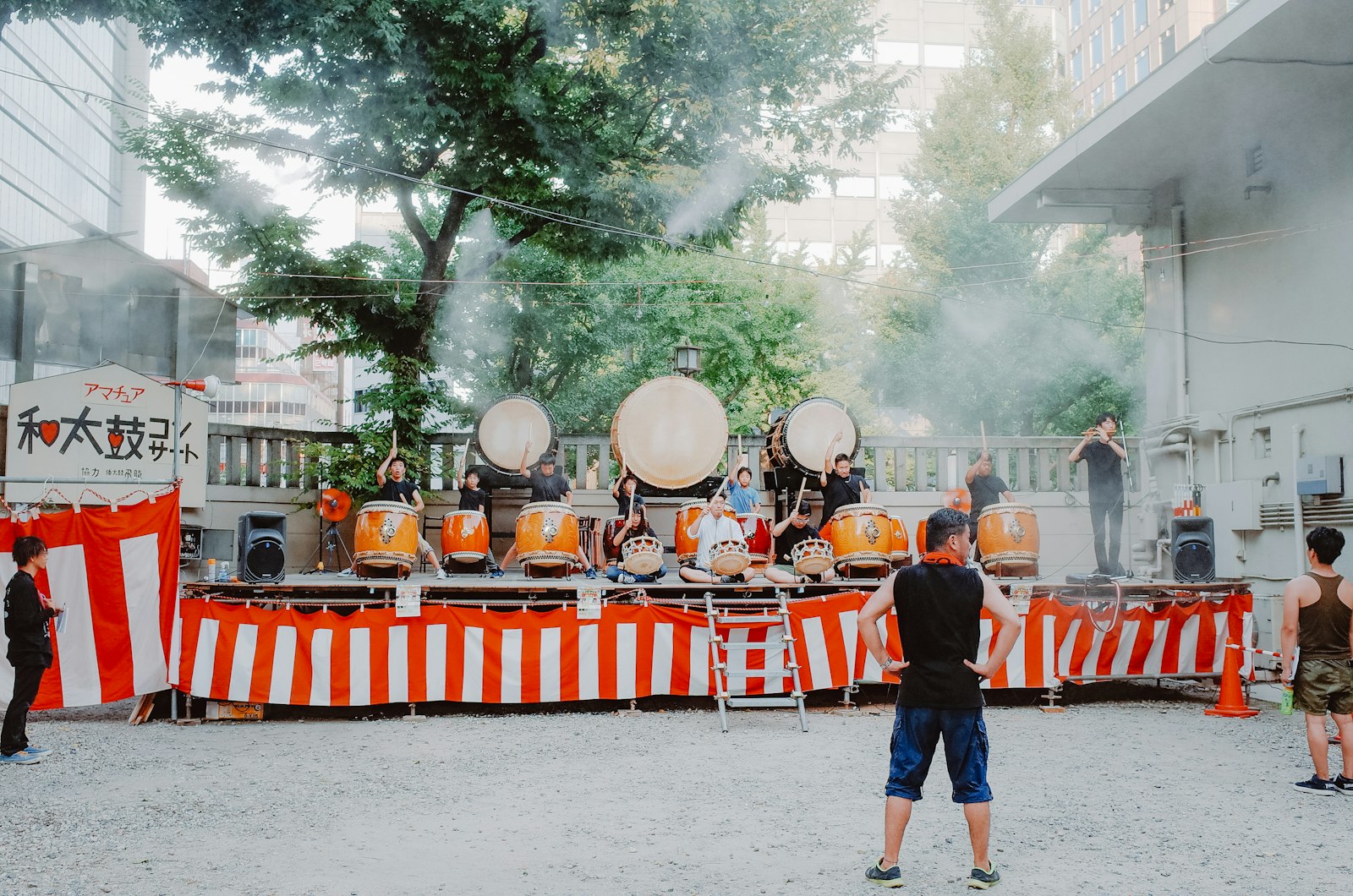
Bon dance season in Hawaii is the most welcoming recurring social event the islands have, and almost nobody thinks to tell newcomers it exists. Through the warm months, Buddhist temples hold bon dances on their own weekends, and bon dance season in Hawaii asks nothing of you at the door: no partner, no skill, no membership, no sign-up. You walk up, stand at the outside edge of the circle, and copy whoever is in front of you. Being bad at it is expected, which is not a consolation prize but the actual design.
What actually happens when you walk up
A bon dance is a lantern-strung tower, a drum, and a circle you can join thirty seconds after you park.
In the middle of the lot stands a yagura, a raised tower hung with paper lanterns. Taiko drummers often play from it or beside it, over recorded music. Dancers circle it in loose rings, repeating a short pattern of arm movements and steps.
The rings sort themselves by experience without anyone announcing it. Closer in are people who have danced these songs for decades, some in yukata or happi coats. The outer ring is everybody else: kids cutting corners, an auntie holding a plate, someone who came straight from work. Plenty of people never dance at all, and watching from a curb for an hour is a legitimate way to attend.
It is a memorial first, and knowing that changes how you act
Obon is a Buddhist observance honoring ancestors, and the dancing is part of how families welcome those spirits back.
Obon came to the islands with Japanese immigrant families working the plantations in the late 1800s, and temple communities have carried it here ever since; the Japanese Cultural Center of Hawaiʻi explains the observance and the rituals around it. The festival atmosphere is real, but it sits on top of a remembrance. Someone in that circle may be dancing for a person they lost this year.
Dress like you are visiting a family event, not the beach. Keep your volume down near the temple building itself, treat the hall and any altar area as not yours to wander into, and ask before photographing people.
Nobody will quiz you. The respectful route is the simple one: watch first, follow the people around you, and ask a volunteer instead of guessing. If something looks like it belongs to the community rather than the public, assume it does.
The dances repeat, which is why beginners survive
Each song cycles the same short sequence, so by the third time through you are no longer guessing.
A bon dance song is built from a handful of movements: two arm gestures, a step forward, a step back, a quarter turn. Then it starts again. The first pass you are half a beat behind. The second you catch the turn. By the third you are mostly just doing it.
Then the song ends, a new one starts, and you are a beginner again. That is the rhythm of the night, and it is why nobody is watching you. Everyone in the outer ring is staring at the back of the person ahead of them.
Temples open these nights to whoever shows up, which is rare among things that are genuinely fun. If you are building a list of free things to do on Oʻahu, a summer of bon dances fills a lot of weekends.
Every temple runs its own weekend, so check rather than trust a list
Schedules are set and published temple by temple, which makes any secondhand calendar a starting point at best.
Bon dance season in Hawaii runs roughly from June into September, but it is not one calendar. Temples stagger their weekends so the dances do not land on top of each other, and the pattern shifts year to year. Weather and volunteer crews move things around, so a roundup written two summers ago will be confidently wrong.
Check the temple's own announcement before you drive out, close to the day. Check parking too: these are neighborhood temples with neighborhood-sized lots, the streets nearby fill fast, and you do not want to be blocking a resident's driveway.
Going alone is completely normal
The circle absorbs you, so arriving by yourself is not the awkward move it would be almost anywhere else.
There is no table to be seated at and no partner to find. You join wherever there is a gap and leave mid-song. Solo works because nobody has to do anything to include you.
That makes it a good first move if you have just moved to Oʻahu and do not know anyone. You stand in a crowd doing what everyone else is doing, which is closer to belonging than an evening at home.
It is also a real option if you are making friends in Honolulu without drinking. Bon dances are family events, kids running around and grandparents in chairs along the fence.
The food booths are where people actually talk
Dancing is side by side and mostly wordless, so the line for food is where a conversation can start.
The booths are run by temple members and volunteers, often the same families year after year. You stand in line for andagi or shave ice, and someone tells you which one you should have gotten instead. That is the opening: low-stakes, about food, over in ninety seconds if you want. Take the plate to the curb rather than your car; half the crowd is doing the same between dances.
Bon dance season in Hawaii runs for weeks, so if the first one goes well, go again and bring someone. On YKnot you put the plan up with a spare seat or two and nearby members ask to join. Two people learning the same eight counts badly in the back row beats most first coffees.