
Things To Do
Use swap meets and thrifting on Oahu as a plan, not an errand
Secondhand shopping beats coffee as a first invitation: there is a task, you walk while you talk, and it ends on its own. What to check before you go.
By YKnot Admin · · 5 min read
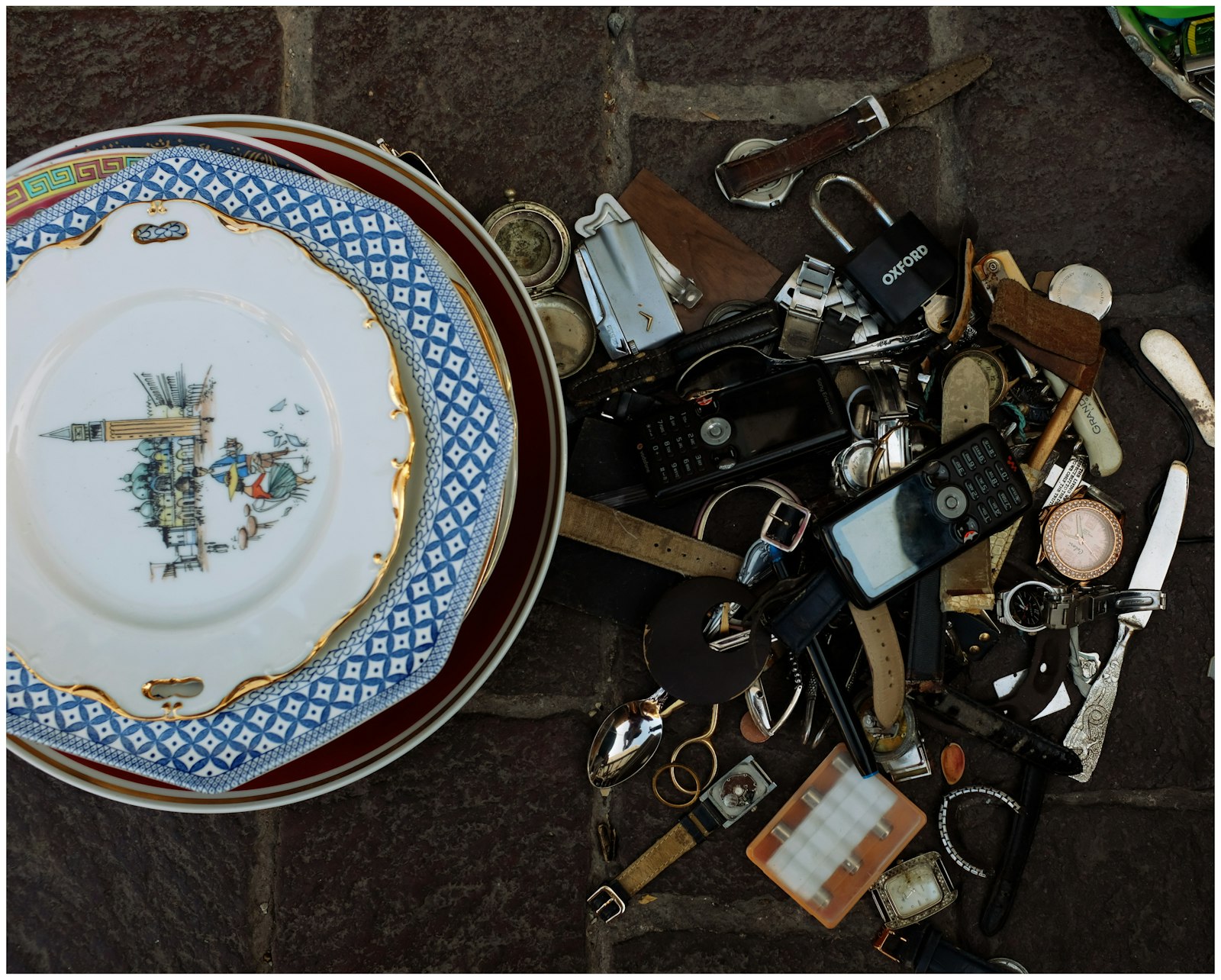
You have somebody you would like to know better and no idea what to suggest. Swap meets and thrifting on Oahu solve that better than coffee does, and for an unglamorous reason: there is a task. You are both looking at a table of other people's things, so nobody has to carry the conversation, and when you run out of things to say you can pick up a rice cooker and read the back of the box. Two hours pass and you have talked the whole time without either of you noticing you were being social.
Why swap meets and thrifting on Oahu make a good first invitation
Everything that makes a first hangout awkward is missing from it.
You are side by side instead of across a table, which means eye contact is optional and silence is not a failure. You are moving, so the conversation has somewhere to go: the thing in your hand, the thing they picked up, the reason anybody would own six identical vases. And there is an obvious end. You walk the rows, you reach the last one, you are done. Nobody has to invent an exit or decide whether it is rude to leave.
It also asks very little to say yes to. A market on a Saturday morning does not read as a date, does not need a reservation, and if it turns out you have nothing in common you have lost a morning and gained a lamp. Same logic as a bakery line worth standing in: the browse is the structure that lets two people talk without a script, which puts it on the short list of plans that are easy to invite a stranger to.
And buying nothing is a perfectly good outcome. Come home with a shirt, come home with a story about a man selling nineteen car stereos, come home with neither.
What is actually out there on the island
Treat it as four different kinds of shopping, because they reward four different approaches.
The big open-air market in Hālawa is what most people mean when they say swap meet — rows of vendors in a stadium parking lot, produce and tools and slippers and phone cases and craft tables. It has run for decades. It is also the one stop here you cannot assume is open on the day you drive out, because the site it sits on is being rebuilt, so confirm it before you build somebody's Saturday around it.
Charity thrift stores are the second kind. They run on donations, which means the rail you walked on Tuesday is a different rail by Saturday. There is no way to shop a thrift store once. The return trip is built into the activity rather than being a discipline you have to impose on it, and that is the quiet advantage over a coffee that has no reason to happen again. Two people who check the same three shops every few weeks are not maintaining a friendship on purpose. They are going back for the stock, and the friendship is what accumulates while they do.
Consignment and vintage shops are the third kind, and they cluster where the walkable blocks are — around Kaimukī and Kapahulu, and in a few Chinatown storefronts. The stock is curated and the owner usually knows every item in the room. Ask questions. That is the pleasure of the format.
Fourth are the ones that do not keep regular hours: church and school rummage sales, estate sales, garage sales down a residential street, an industrial-stretch warehouse in Kalihi that is open when it is open. Windward sales in Kailua and Kāneʻohe lean household, and they start early. You find these through neighborhood pages and handwritten signs rather than search.
The etiquette is mostly about not being a nuisance
Carry cash, ask once, and get out of the way.
Plenty of vendors take cards now and plenty do not, and entry or parking at a large market may want cash. Bring small bills and a bag of your own.
Haggling is normal, but it is one polite ask, not a negotiation, and never a critique. "Would you take a little less?" is fine. Explaining why their table is overpriced is not, and you will feel that one for the rest of the morning. Take the answer either way, and do not haggle a charity shop.
Do not park yourself in front of a stall to catch up while three people wait behind you. Step to the side. If you want a photo of somebody's setup, ask first. Go early for the pick of things and late for the deals, since sellers would rather discount than repack. Splitting up for twenty minutes and meeting back to compare is the best version of the morning.
Check what is running before you drive out
Do not treat the big swap meet as a fixed point on anyone's calendar.
The Aloha Stadium site in Hālawa is in the middle of a long redevelopment, and everything about the market that sits on it is tied to that: whether it is operating at all, where the entrance is, which days and hours it keeps, how parking and admission work. Any of it may have changed again since this was written. Confirm the current arrangement with the Stadium Authority before you commit somebody else's Saturday to it, rather than trusting a three-year-old roundup or a screenshot a friend sent you. Driving out to ʻAiea with somebody you barely know and finding a closed gate is a bad first outing and an avoidable one.
The same discipline applies to everything else here at a smaller scale. Charity shop hours, consignment storefronts that move, church sales, the Kalihi warehouse on its own schedule — check before you go, and have a second stop in mind. A morning with a fallback is a morning that still happens.
Nobody at a swap meet is there to meet you. Everyone walking those rows arrived with whoever they came with, which is why the morning is a good plan and a poor introduction. YKnot starts one step earlier. A member posts a morning they had already planned, says how many can come along, and chooses from the people who ask. Membership means ID-verified, and the meeting point is sent to whoever gets a yes.
See what's happening on Oahu →
Cover photo by Melanie Chan on Unsplash.