
Things To Do
Shore fishing on Oahu: the ocean rules first, the ledge rules second
The ocean safety rules that come before anything else, then what this fishing involves and the ledge etiquette that earns a beginner a spot.
By YKnot Admin · · 5 min read
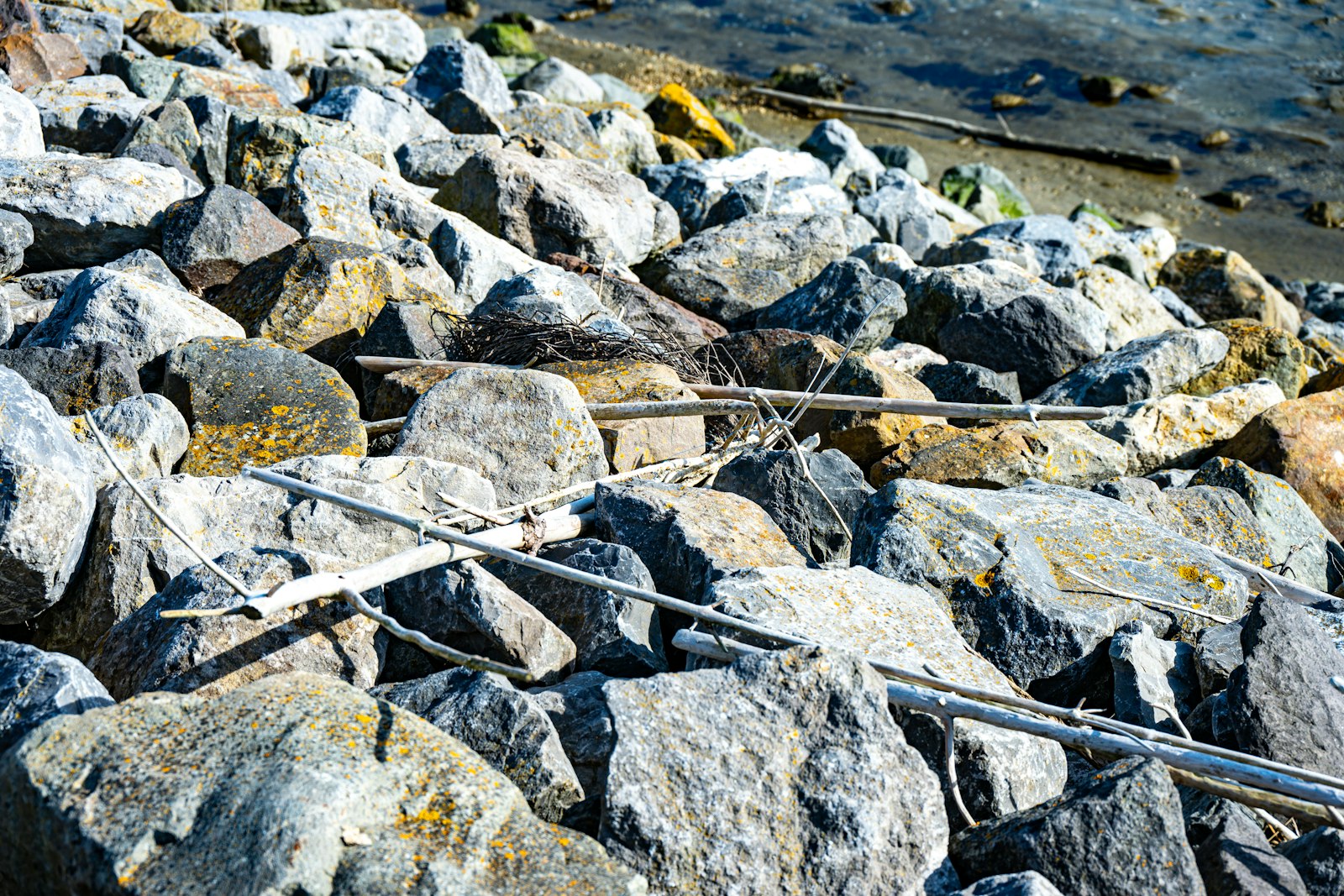
Shore fishing on Oahu is one of the most social things people do here and almost nobody writes about it. Drive the coast at dusk from ʻEwa around to Kāneʻohe and you pass the same scene every few miles: rods standing in holders wedged into rock, a truck backed up to the edge with the tailgate down, two or three people in camp chairs not saying much. The gear is not the hard part of getting in. Two other things are, in this order: the ocean, which sweeps people off these shorelines and drowns them, and then walking up to a ledge somebody has fished for thirty years without ruining their night.
The ocean safety rules for shore fishing on Oahu come before everything else
People are swept off rocky shorelines in Hawaiʻi and drown, and shoreline fishermen are among them. What follows are rules, not tips.
Never turn your back on the ocean. Not to rebait, not to check your phone, not for ten seconds. Waves arrive in sets, and the one that reaches where you are standing is the one that did not come in the first five minutes you were watching.
Never fish an exposed ledge in high surf. Check the marine forecast for the shoreline you are going to, not the island generally — north and west get large in winter, the south shore in summer. If there is an advisory or warning for that shore, the exposed rock is off, and standing further back is not a smaller version of the same plan.
Watch the spot before you commit: fifteen or twenty minutes above the water with nothing in your hands, seeing where the sets actually reach.
Never go alone, and tell somebody not with you where you will be and when you are back. A person on a ledge by themselves at 2am has no margin at all.
Wear clothing and footwear you can swim in — tabis or reef shoes, nothing that turns into an anchor soaked. Carry a headlamp and a spare. Plenty of people wear an inflatable vest on the rocks.
Know your exit before your first cast. If you go in, swim out and away from the rocks rather than climbing back where you fell. Let go of the rod, the cooler, the bag. Nothing you carried down is worth a second in the water.
Anyone who surfs here already reads conditions this way by habit, which is why a surf partner makes a good first fishing companion.
What shore fishing here actually looks like
Two approaches cover most of what you see from the road. Whipping is the light, mobile one — a spinning rod, lures or a small jig, walking a shoreline and casting, moving every few minutes, mostly for papio. Dunking is the opposite: heavy rods, bait sent out on a slide rig for ulua, everything set in holders, then hours of waiting. A dunking session often runs overnight, with a cooler, chairs, and food passed around whether or not anything is biting.
Whipping is the better beginner entry. Less gear, fewer ways to get in someone's way, and you learn to read water — where the reef drops off, where a current seam forms. Where people fish is the question you do not lead with, for reasons further down.
The unwritten rules on the ledge
Ask before you set up anywhere near anyone. A short "you fishing this side?" and a wait for the answer settles almost everything; if the answer is vague, move down. Give people more room than feels necessary — a slide rig covers a lot of water, and what looks like open ledge is often the lane somebody's line already runs through.
Never cast across another line. Do not walk in front of set rods. Park so you are not blocking a truck that has to back up to the edge. Keep the headlamp at the ground rather than at faces, and the noise down after dark. If you cause a tangle, you untangle it and replace what you cut. Take every scrap of line, leader and bait packaging home, because monofilament left on rock kills birds and turtles for years.
And do not ask, in your first ten minutes, what they are catching them on.
The knowledge is given, not taken
Fishing knowledge in Hawaiʻi passes down through families, and it is offered, not extracted. The person on that ledge learned it from somebody who fished it before them, and spots are held in trust rather than traded. That is why asking where the good spot is ends a conversation, and why posting a photo with an identifiable landmark in it is a genuine offense rather than a faux pas.
The opposite posture works. Be new out loud. Offer to help carry. Bring ice, extra bait, food. Take only what you can use and say so. Turn up at the same stretch of shoreline on the same mornings for a couple of months and at some point somebody corrects your rigging without being asked — the same slow arithmetic behind any regular spot on this island.
Rules are part of the respect. What you may take, size limits, closed seasons and any permit requirement vary by species and get revised, so read them at the source rather than from the guy at the next rod — the state Division of Aquatic Resources publishes the current regulations. And if you are heading out with somebody you met recently, the ordinary care you take meeting anyone new applies double on a dark shoreline at 3am.
The obstacle was never the tackle. It is that everyone who could take you already has a crew, and none of that is visible from the road. YKnot makes it visible — somebody's own plan, a spare spot on it, their call on who fills it. Every account is ID-verified, and the spot itself is shared only after that call, which on a shoreline is the whole point.
See what's happening on Oahu →
Cover photo by Julia Taubitz on Unsplash.